

Search results for 'DE'


-
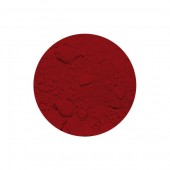
Cadmium Red Deep Pigment
Starting at: £15.00
PR108
Cadmium Red Deep is a synthetic organic pigment, which has been in use since the 1920s, effectively replacing vermilion. It is formed by heating cadmium sulphide and selenium, the hue is determined by the level of calcination and proportion of selenium. It is very opaque, and lightfast, with a high tinting strength. It absorbs a small amount of oil, and dries very slowly to form a hard, flexible paint film.
Larger quantities are available by request.
Limeproof
Toxicity: C
Learn More -
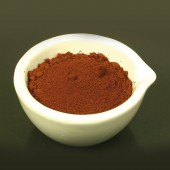
Crocus Powder
Starting at: £12.00
A red amorphous powder consisting of ferric chloride oxide. Used as a colourant for ceramic glazes. Also used in polishing glass, metal, or gems. Also known as jeweller's rouge. Learn More -
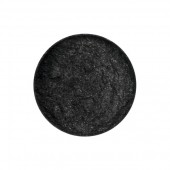
Graphite Powder (Sri Lanka)
Starting at: £5.50
PBk10
Graphite powder is an allotropic form of pure carbon, ground to 200 mesh. It is transparent and lightfast, with a slight sheen. It can be applied directly onto a paper support.
Larger quantities are available by request. This variety of graphite is a naturally occurring material sourced from Sri Lanka.
Toxicity: A/B
Learn More -
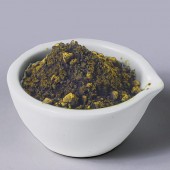
Ferric Chloride
Starting at: £12.00
Ferric chloride is a mordant (corrosive salt) for the etching of metal plates for printing fine art images in intaglio. It can be used as a safer and gentler alternative to nitric acid in the etching process, enabling the printmaker to obtain a high level of accuracy and control over the bite achieved. Suitable for metals such as copper, zinc, and steel.PERMITTED USES Over 18s only. Proof of age required. E-mail: info@cornelissen.com
IMPORTANT Please refer to the MSDS (Material Safety Data Sheet) below. Dispose of product as hazardous waste.
SHIPPING Please note, we are not able to send this product outside the UK. Learn More
-
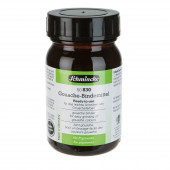
-
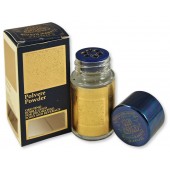
Cornelissen Gold Edible Powder 23 carat
£74.90Cornelissen Gold Edible Powder 23 carat 125 mg Learn More -
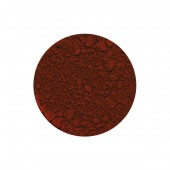
Translucent Red Oxide Pigment
Starting at: £9.80
Translucent Red Oxide (PR101). Artificial mineral pigment, hydrated ferric oxides. Transparent and very lightfast. Stable in all media, medium drying rate in oil. Toxicity B. Learn More -
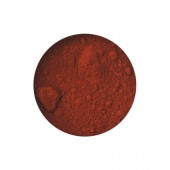
Translucent Orange Oxide Pigment
Starting at: £13.00
Translucent Orange Oxide (PR101). Artificial mineral pigment, hydrated ferric oxides. Transparent and very lightfast. Stable in all media, medium drying rate in oil. Toxicity B. Learn More -
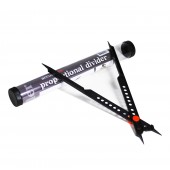
Accurasee Proportional Divider
£15.00A drawing tool for transferring scale. Align your desired subject matter in the small end of the divider and transfer the spacing of the larger end to your drawing surface. Learn More -
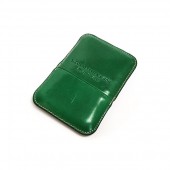
Leather Card Holders
Starting at: £38.50
This card holder holds up to six cards, and is embossed with lettering that reads "L.Cornelissen & Son Est. London 1855". All of our leather goods are handmade in Spain, and dyed with natural dyes that will fade and age beautifully over time. Learn More -
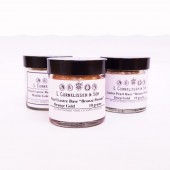
-

-
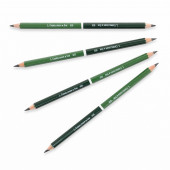
Cornelissen Double Ended 6B/2B Lead Pencil
£2.00Double ended pencil, ideal for sketching en plein air and in the studio. Learn More -
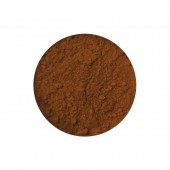
Translucent Yellow Oxide Pigment
Starting at: £7.00
Translucent Yellow Oxide (PY42). Artificial mineral pigment, hydrated ferric oxides. Transparent and very lightfast. Stable in all media, medium drying rate in oil. Toxicity B. Learn More -
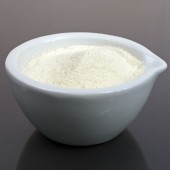
Gum Sandarac
Starting at: £8.60
Gum Sandarac, derived from a coniferous tree, is available in powdered or lump form. It can be dissolved in alcohol to create a varnish that is suitable as an isolating layer in oil painting and as a traditional top coat for egg tempera. It forms a brittle layer, so is only suitable for use on a rigid support. Another application is as a surface preparation for calligraphy; the ground gum can be dusted across a piece of prepared vellum or paper to create a resist, which shrinks ink strokes slightly, making them appear finer, with crisp edges. Learn More -
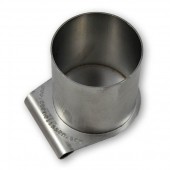
Cornelissen Dippers
Starting at: £15.00
Cornelissen Dipper, 19th-century styling, beautifully engineered in stainless steel with no seam showing on the outside. Learn More -
-

Quill Pens
Starting at: £13.00
Traditional quill pen made from goose and turkey feathers. Cut by hand and cured in hot sand. Learn More -
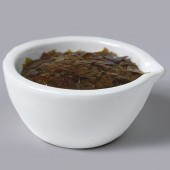
Orange Shellac
Starting at: £8.00
Shellac is a natural resin that is deposited by the female lac insect on the branches of trees in India and Thailand. It is soluble with alcohol, but not with mineral spirits or turpentine. It forms a tough yet flexible film, with many applications. It is suitable as a top coat for gilding when applied thinly, a sealant for porous surfaces, an isolating layer for tempera paintings, a base for pigmented inks, a protective layer for collograph plates, and a warm varnish for wooden floors and furniture. As it is prone to darkening with age, it is not recommended as a varnish for oils, and its solubility can reduce over time. There are various grades of shellac. When mixed with alcohol, it may initially form a cloudy mixture, due to traces of wax in the shellac, but this should become clear once it has dried. The highest grades of shellac are Clear Dewaxed Shellac, which has been de-coloured using the carbon filtering method, Lemon Shellac, and Orange Shellac, which are pale in colour. Button Shellac is less refined and therefore produces a reddish varnish. It was, in fact, widely used as a red dye before synthetic dyes became available. Learn More -
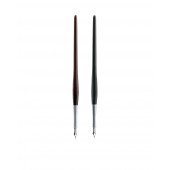
Artists' Dipping Pen
Starting at: £9.30
Ergonomic nib penholder with assembled nib. Available in Black or Mahogany. Learn More -
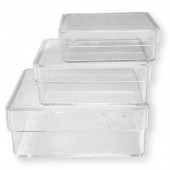
Transparent Containers
Starting at: £1.20
Rigid high quality boxes manufactured in clear Polystyrene. Medium and large sizes are ideal for storing loose nibs. Learn More -
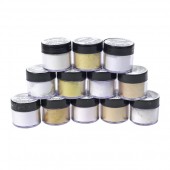
Pearl Lustre Pigments 7g
Starting at: £4.70
Pearl Lustre Pigments 7g. Colour swatch on the left indicates colour on a White Background and Colour on a Black Background on the right. Learn More -
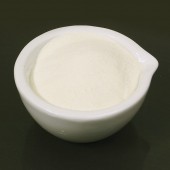
Casein Lactic
Starting at: £32.70
Casein is a protein derived from dried milk, which has been used in painting since ancient times. It can be combined with Ammonium Carbonate to form an emulsion, which acts as a durable, non-resoluble binder for pigments, producing a matte, fast-drying paint, similar in appearance to egg tempera. We use casein as a binder for our L. Cornelissen & Son Pigment Colour Charts, as it is a medium that clearly showcases the characteristics and behaviour of each pigment in its pure form. Casein paints can be applied in thin layers to watercolour paper, but would require a more rigid support, such as a gesso panel, to be applied thickly, as the comparative inflexibility of the paint layer means that it can be prone to cracking. Subsequent layers of paint should be more diluted to aid adhesion, and impasto effects are not recommended. It is possible to varnish casein paintings using an acrylic or damar varnish to obtain a glossy surface if desired, although this is not a necessary step. Casein can also be used as an ingredient in gesso, and is a suitable binder for fresco secco techniques.
Some pigments may require a wetting agent in order to fully disperse within the binder, in which case alcohol may be used.
Learn More -
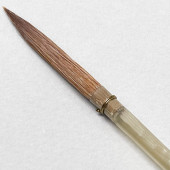
Cornelissen Pointed Quill Writer
Starting at: £13.70
Traditional long sable hair with plain wood handles bound in genuine quill. These brushes hold large amounts of colour for long lines and point well for detail. Learn More -
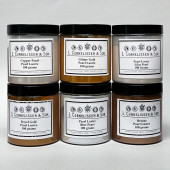
Cornelissen Pearl Lustre Pigments 100g
Starting at: £12.90
Pearl Lustre Pigments 100g. Colour swatch on the left indicates colour on a White Background and Colour on a Black Background on the right. Learn More -
-
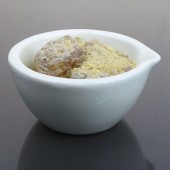
Gum Copal Manila
Starting at: £6.00
Gum Copal Manila is derived from the resin of a coniferous tree native to the Philippines. It is not to be confused with other copals, which are the product of fossilised plant materials. It can be dissolved in alcohol to make a spirit varnish, to be used as a substitute for shellac, or as a fixative for pastel and charcoal drawings. Please note, that when used as a fixative it may darken the colour of the image. Learn More -
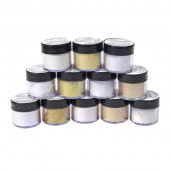
Pearl Lustre Pigments 1 kg
Starting at: £94.00
Call to Order
Pearl Lustre Pigments 1 kg. Colour swatch on the left indicates colour on a White Background and Colour on a Black Background on the right. Learn More -
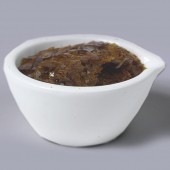
Lemon Shellac
Starting at: £8.20
Shellac is a natural resin that is deposited by the female lac insect on the branches of trees in India and Thailand. It is soluble with alcohol, but not with mineral spirits or turpentine. It forms a tough yet flexible film, with many applications. It is suitable as a top coat for gilding when applied thinly, a sealant for porous surfaces, an isolating layer for tempera paintings, a base for pigmented inks, a protective layer for collograph plates, and a warm varnish for wooden floors and furniture. As it is prone to darkening with age, it is not recommended as a varnish for oils, and its solubility can reduce over time. There are various grades of shellac. When mixed with alcohol, it may initially form a cloudy mixture, due to traces of wax in the shellac, but this should become clear once it has dried. The highest grades of shellac are Clear Dewaxed Shellac, which has been de-coloured using the carbon filtering method, Lemon Shellac, and Orange Shellac, which are pale in colour. Button Shellac is less refined and therefore produces a reddish varnish. It was, in fact, widely used as a red dye before synthetic dyes became available. Learn More -
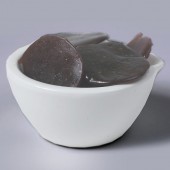
Button Shellac
Starting at: £8.40
Shellac is a natural resin that is deposited by the female lac insect on the branches of trees in India and Thailand. It is soluble with alcohol, but not with mineral spirits or turpentine. It forms a tough yet flexible film, with many applications. It is suitable as a top coat for gilding when applied thinly, a sealant for porous surfaces, an isolating layer for tempera paintings, a base for pigmented inks, a protective layer for collograph plates, and a warm varnish for wooden floors and furniture. As it is prone to darkening with age, it is not recommended as a varnish for oils, and its solubility can reduce over time. There are various grades of shellac. When mixed with alcohol, it may initially form a cloudy mixture, due to traces of wax in the shellac, but this should become clear once it has dried. The highest grades of shellac are Clear Dewaxed Shellac, which has been de-coloured using the carbon filtering method, Lemon Shellac, and Orange Shellac, which are pale in colour. Button Shellac is less refined and therefore produces a reddish varnish. It was, in fact, widely used as a red dye before synthetic dyes became available. Learn More
Currently Shopping by:
- Manufacturer: Cornelissen Remove This Item
Shopping Options
- Category
-
- Pigments, Gums, Resins (129)
- Oils, Acrylics (9)
- Canvas, Supports (10)
- Watercolour, Gouache, Egg Tempera (9)
- Drawing, Calligraphy (23)
- Gilding, Restoration (74)
- Printmaking (43)
- Brushes (15)
- Paper (4)
- Studio, Books (25)
- Signwriting, Specialist Decorating (9)
- Price
-
- £0.00 - £999.99 (315)
- £1,000.00 - £1,999.99 (1)
- £2,000.00 - £2,999.99 (1)
- £3,000.00 - £3,999.99 (1)
- £4,000.00 and above (1)
- Color
-
- Green (1)
You have no items in your shopping basket.

- Search Brands
-