

Search results for 'sulphur pigment'
6 Item(s)
Grid List

-
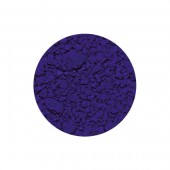
Ultramarine Blue Limewash Pigment
Starting at: £6.30
PB29
Ultramarine Blue Limewash is an artificial mineral pigment that is produced by heating clay, soda, sulphur and coal to high temperatures. Its name comes from outremer, or over-the-sea, as a reference to the highly-prized Lapis Lazuli pigment which had been imported into Europe from Afghanistan since the Middle Ages. First manufactured in France and Germany in 1828, synthetic Ultramarine provided a brilliant and affordable blue to artists, and it remains one of the most popular blues on artists' palettes today.
It is a transparent pigment, with a high tinting strength and excellent lightfastness. Most Ultramarine colours react to alkali and are therefore unsuitable for use in lime-fresco; Limeproof Ultramarine Blue remedies this problem. It is stable in all other media, although it can be tricky to grind in oil. Instead of creating a thick, buttery paste, it can remain stringy and deteriorate when stored in a tube. To correct this, many commercial paint manufacturers include additives and waxes in their recipes; if you intend on grinding your own paint, you could try replacing 10-15% of your Linseed Oil with Poppy Oil to improve the consistency. Ultramine Blue provides a slow-drying, fairly hard paint film, which can tend towards brittleness.
Toxicity: B
Learn More -
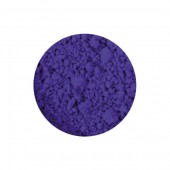
Ultramarine Blue Dark Pigment
Starting at: £4.00
PB29
Ultramarine Blue Dark is an artificial mineral pigment that is produced by heating clay, soda, sulphur and coal to high temperatures. Its name comes from outremer, or over-the-sea, as a reference to the highly-prized Lapis Lazuli pigment which had been imported into Europe from Afghanistan since the Middle Ages. First manufactured in France and Germany in 1828, synthetic Ultramarine provided a brilliant and affordable blue to artists, and it remains one of the most popular blues on artists' palettes today.
It is a transparent pigment, with a high tinting strength and excellent lightfastness. It reacts to alkali, therefore it is not suitable for use in lime-fresco; we do offer a Limeproof Ultramarine Blue for this purpose. It is stable in all other media, although it can be tricky to grind in oil. Instead of creating a thick, buttery paste, it can remain stringy and deteriorate when stored in a tube. To correct this, many commercial paint manufacturers include additives and waxes in their recipes; if you intend on grinding your own paint, you could try replacing 10-15% of your Linseed Oil with Poppy Oil to improve the consistency. Ultramine Blue provides a slow-drying, fairly hard paint film, which can tend towards brittleness.
Toxicity: B
Learn More -
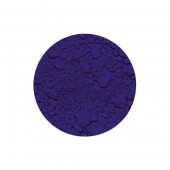
Ultramarine Blue Light Pigment
Starting at: £6.00
PB29
Ultramarine Blue Light is an artificial mineral pigment that is produced by heating clay, soda, sulphur and coal to high temperatures. Its name comes from outremer, or over-the-sea, as a reference to the highly-prized Lapis Lazuli pigment which had been imported into Europe from Afghanistan since the Middle Ages. First manufactured in France and Germany in 1828, synthetic Ultramarine provided a brilliant and affordable blue to artists, and it remains one of the most popular blues on artists' palettes today.
It is a transparent pigment, with a high tinting strength and excellent lightfastness. It reacts to alkali, therefore it is not suitable for use in lime-fresco; we do offer a Limeproof Ultramarine Blue for this purpose. It is stable in all other media, although it can be tricky to grind in oil. Instead of creating a thick, buttery paste, it can remain stringy and deteriorate when stored in a tube. To correct this, many commercial paint manufacturers include additives and waxes in their recipes; if you intend on grinding your own paint, you could try replacing 10-15% of your Linseed Oil with Poppy Oil to improve the consistency. Ultramine Blue provides a slow-drying, fairly hard paint film, which can tend towards brittleness.
Toxicity B
Learn More -
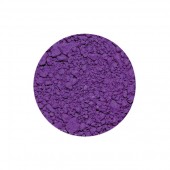
Ultramarine Violet Pigment
Starting at: £6.20
PV15
Ultramarine Violet is a synthetic organic pigment that is produced by heating Ultramarine Blue with Ammonium Chloride, causing the removal of some of the sodium and sulphur and thus a change in colour. It is lightfast and semi-transparent, with a weak tinting strength. In oils, it dries quite slowly, forming a hard, flexible film.
Toxicity: B
Learn More -
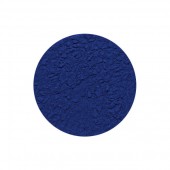
Ultramarine PB29 Pigment
Starting at: £9.10
PB29
Ultramarine Blue is an artificial mineral pigment that is produced by heating clay, soda, sulphur and coal to high temperatures. Its name comes from outremer, or over-the-sea, as a reference to the highly-prized Lapis Lazuli pigment which had been imported into Europe from Afghanistan since the Middle Ages. First manufactured in France and Germany in 1828, synthetic Ultramarine provided a brilliant and affordable blue to artists, and it remains one of the most popular blues on artists' palettes today.
It is a transparent pigment, with a high tinting strength and excellent lightfastness. It reacts to alkali, therefore it is not suitable for use in lime-fresco; we do offer a Limeproof Ultramarine Blue for this purpose. It is stable in all other media, although it can be tricky to grind in oil. Instead of creating a thick, buttery paste, it can remain stringy and deteriorate when stored in a tube. To correct this, many commercial paint manufacturers include additives and waxes in their recipes; if you intend on grinding your own paint, you could try replacing 10-15% of your Linseed Oil with Poppy Oil to improve the consistency. Ultramine Blue provides a slow-drying, fairly hard paint film, which can tend towards brittleness.
Toxicity: B/C
Learn More -
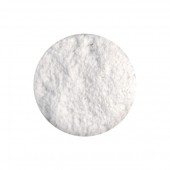
Flake White Pigment
Starting at: £18.75
Call to Order
PW1
Flake White Pigment, sometimes referred to as Lead White or Cremnitz White, is an artificial mineral pigment, lead carbonate. It is no longer available as a paint, due to its extreme toxicity. For this reason, great care must be taken when handling the dry pigment.
Toxicity D Lead is a highly poisonous metal which, if inhaled, ingested, or introduced to the blood through cuts in the skin, builds up in the body and can affect multiple parts of the body, including the digestive and nervous systems.
PERMITTED USES Over 18s only. Proof of age required. Restoration of art works and protected buildings when alternatives unsuitable.
IMPORTANT Please refer to the MSDS (Material Safety Data Sheet) below. Dispose of product as hazardous waste.
SHIPPING Please note, we are not able to send this product outside the UK.
Learn More
6 Item(s)
Grid List
Shopping Options
- Category
- Price
-
- £0.00 - £9.99 (5)
- £10.00 and above (1)
- Manufacturer
-
- Cornelissen (6)
You have no items in your shopping basket.

- Search Brands
-