

Search results for 'city an der The'
4 Item(s)
Grid List

-
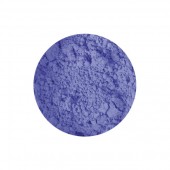
Cerulean Blue Pigment
Starting at: £14.50
PB35
Cerulean Blue is an artificial mineral pigment that is prepared by heating a mixture of Cobalt Chloride and Potassium Stannate. It was first synthesised in the early nineteenth century, becoming more widely used from 1870, when Rowney introduced Coeruleum Blue into their range. It produces a very bright, clear, and unusually opaque blue, hence its name, which is derived from the Latin for "sky-blue", or perhaps "heaven-blue". It has a very low tinting strength meaning that, although it is stable in all media, some artists may choose to bind it in poppy rather than linseed oil, so that the colour isn't affected by the colour of the binder. It creates a fairly flexible paint film, and is a fast-to-medium drying pigment.
Limeproof
Toxicity: B
Learn More -
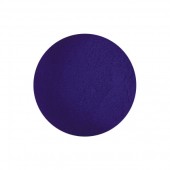
Prussian Blue Pigment
Starting at: £5.20
PB27
Prussian Blue is a synthetic organic pigment that was discovered by the paint maker Diesbach, apparently by accident, in Germany in the early eighteenth century. For many years, it was used not only as a colour in its own right, but also as a component of the original Hooker's Green. The other ingredient, gamboge, is highly fugitive, which is why many watercolours painted with Hooker's green have taken on a bluish tone with with age.
It is a very transparent and heavily staining colour. It dries quite quickly in oil, and can therefore wrinkly if applied too quickly. It is suitable for use in oils, watercolour, and egg tempera. However, it shouldn't be used in conjunction with alkali substances, such as Lead White or Calcium Carbonate as it can turn brown, so it isn't suitable for fresco. For the same reason, it isn't used with acrylic resin binders due to their alkaline nature, so most paint manufacturers will replace Prussian Blue with a mixture of Phthalo Blue and black in their acrylic ranges. It requires a wetting agent to fully disperse into a binder.
Toxicity: B
Learn More -
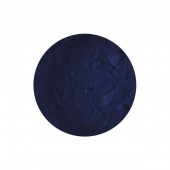
Indigo Blue Synthetic Pigment
Starting at: £5.50
Indigo Blue Synthetic Pigment (VB1). Organic pigment. Transparent. Good tinting strength. Moderate Lightfastness, slower fading rate than Genuine Indigo. Requires wetting agent. Suitable for oil and water-based media. Developed in late 19th Century. Toxicity A/B Learn More -
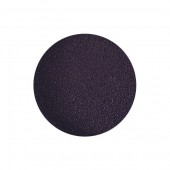
Indigo Blue Genuine Pigment
Starting at: £8.00
NB1
Genuine Indigo is a natural vegetable pigment derived from the Indigofera Tinctoria plant, which was first imported into Europe from India in the seventeenth century. It replaced woad, which had been grown natively in Europe for its blue dye. The leaves are soaked in water to ferment; upon drying, an oxidised residue forms on the dry leaves, which is removed, washed, boiled in water, and then dried to form cakes of pigment or dye.
Indigo is very transparent, with a good tinting strength. It requires a wetting agent to disperse, and in oil it dries very slowly. It is fugitive to light; this drawback means that it is no longer commonly available in commercial paints. It fell out of general use at the beginning of the seventeenth century, largely replaced by Prussian Blue, and synthetic Indigo was patented in the 1890s. However, it provides a subtle shade of blue that is still desirable in works that are going to be protected from light.
Toxicity: B
Learn More
4 Item(s)
Grid List
Currently Shopping by:
- Category: Artists Quality Pigments Blues Remove This Item
Shopping Options
- Price
-
- £0.00 - £9.99 (3)
- £10.00 and above (1)
- Manufacturer
-
- Cornelissen (4)
You have no items in your shopping basket.

- Search Brands
-