

Search results for 'White paint pigment'
13 Item(s)
Grid List

-
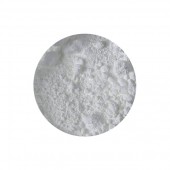
Zinc White Pigment
Starting at: £4.00
Zinc White, or Zinc Oxide, is an artificial mineral pigment that was first produced in France in the late 18th century. Its use in commercial watercolours as Chinese White pre-dates its inclusion in oil painting. It is a semi-opaque, lightfast pigment, which dries very slowly in oil. Of all white pigments, it produces the most brittle paint film, so is not recommended in large quantities for impasto techniques. However, it is a good addition to a palette which requires a less overwhelming white than Titanium White.
Toxicity: B
Learn More -
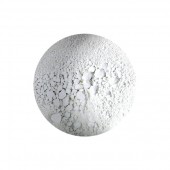
Titanium White Pigment
Starting at: £4.00
Titanium White, or Titanium Doixide, is an artificial mineral pigment introduced in the 1920s. It is valued for its opacity, good lightfastness, and stability in all media. Its high tinting strength can render it a dominant colour in mixtures. It is very slow drying in oil, and creates a somewhat brittle paint film, though more flexible than Zinc White. Its brightness makes it a popular addition to gesso.
Toxicity: B
Learn More -
-
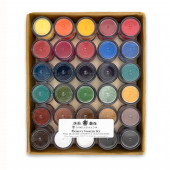
Cornelissen Pigment Set of 30 Colours
£130.00The perfect introduction to working with pigment, this selection of thirty pigments provides a wide range of colours for the production of paint. Each colour is supplied in a 15ml plastic jar, and the set includes both natural and synthetic colours. Recipes can be found on our homepage, with instructions for making different paints, including watercolour, egg tempera and oil paint. Learn More
-
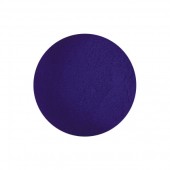
Prussian Blue Pigment
Starting at: £5.20
PB27
Prussian Blue is a synthetic organic pigment that was discovered by the paint maker Diesbach, apparently by accident, in Germany in the early eighteenth century. For many years, it was used not only as a colour in its own right, but also as a component of the original Hooker's Green. The other ingredient, gamboge, is highly fugitive, which is why many watercolours painted with Hooker's green have taken on a bluish tone with with age.
It is a very transparent and heavily staining colour. It dries quite quickly in oil, and can therefore wrinkly if applied too quickly. It is suitable for use in oils, watercolour, and egg tempera. However, it shouldn't be used in conjunction with alkali substances, such as Lead White or Calcium Carbonate as it can turn brown, so it isn't suitable for fresco. For the same reason, it isn't used with acrylic resin binders due to their alkaline nature, so most paint manufacturers will replace Prussian Blue with a mixture of Phthalo Blue and black in their acrylic ranges. It requires a wetting agent to fully disperse into a binder.
Toxicity: B
Learn More -
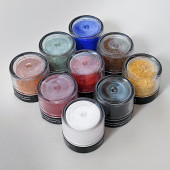
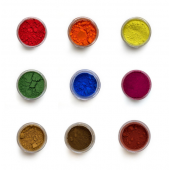
Cornelissen Iconographer's Pigment Set, with Aidan Hart
£41.00Nine pigments, especially selected for L. Cornelissen & Son by Aidan Hart, renowned icon painter, writer and lecturer. Learn More -
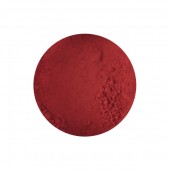
Alizarin Crimson Pigment
Starting at: £4.50
PR83
Alizarin Crimson is a synthetic organic pigment that became available in 1868. It requires a wetting agent to disperse, and in oil it also absorbs a lot of liquid and dries very slowly to form a hard, brittle paint film. It is chemically identical to madder-root pigments and should be protected against UV light where possible as it can fade when applied onto a white ground, although it is less fugitive than its natural counterpart. Alizarin Crimson is a very transparent pigment, with a high tinting strength and slightly blue undertone.
Toxicity: A/B
Larger quantities are available by request.
Learn More -
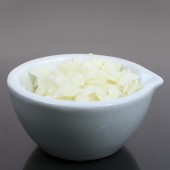
Bleached Beeswax
Starting at: £12.30
Beeswax is derived from melted honeycomb, and is available in two grades. Bleached Beeswax Pellets are white, having been bleached by the sun, and are an appropriate choice for using with pale colours, although they may revert to yellow over time. Natural Beeswax Pellets are yellow in colour, and offer a more flexible structure with a higher resin content. Beeswax has a melting point of 63-66°c, and may turn brown if over-heated. It is the most widely used wax in artists' materials, having a wide range of applications. Please see below for more details.
Learn More -
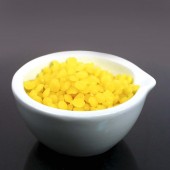
Natural Beeswax
Starting at: £11.20
Beeswax is derived from melted honeycomb, and is available in two grades. Bleached Beeswax Pellets are white, having been bleached by the sun, and are an appropriate choice for using with pale colours, although they may revert to yellow over time. Natural Beeswax Pellets are yellow in colour, and offer a more flexible structure with a higher resin content. Beeswax has a melting point of 63-66°c, and may turn brown if over-heated. It is the most widely used wax in artists' materials, having a wide range of applications. Please see below for more details.
Learn More -
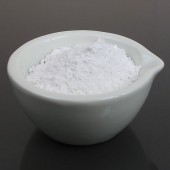
Precipitate Chalk
Starting at: £6.30
Precipitate Chalk is fine and white. For use in aqueous mediums as a ground for oil and tempera paintings. Learn More -
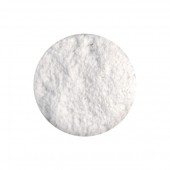
Flake White Pigment
Starting at: £18.75
Call to Order
PW1
Flake White Pigment, sometimes referred to as Lead White or Cremnitz White, is an artificial mineral pigment, lead carbonate. It is no longer available as a paint, due to its extreme toxicity. For this reason, great care must be taken when handling the dry pigment.
Toxicity D Lead is a highly poisonous metal which, if inhaled, ingested, or introduced to the blood through cuts in the skin, builds up in the body and can affect multiple parts of the body, including the digestive and nervous systems.
PERMITTED USES Over 18s only. Proof of age required. Restoration of art works and protected buildings when alternatives unsuitable.
IMPORTANT Please refer to the MSDS (Material Safety Data Sheet) below. Dispose of product as hazardous waste.
SHIPPING Please note, we are not able to send this product outside the UK.
Learn More -
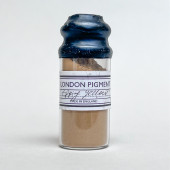
London Pigment, Epping Forest Yellow Ochre Pigment
£18.00Call to Order
This soft yellow ochre is sourced from near the ancient woodland of Epping Forest in North London. Given legal status by Henry ll as a Royal hunting ground for the Monarchy this forest has a rich cultural and geological history. This pigment is a fine particle size and is semi-opaque.
Follow @londonpigment on Instagram for an insight into the stories behind the colours and how she makes them.
****Please note, these pigments are artisan made in small batches. Please email info@cornelissen.com for availability**** Learn More
-
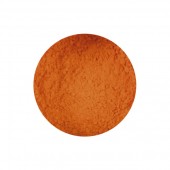
Lead Red Pigment (Minium)
Starting at: £7.30
Call to Order
PR105
Lead Red is an early articficial pigment that dates back to antiquity. It is created by heating Lead White or Litharge at a constant temperature of 480ºC over a prolonged period of time. It is a fast-drying colour, with good tinting strength and opacity, and has been widely used as an underpaint for gilding and in industry. However, it is highly toxic and generally unstable, so has fallen out of use in favour of Cadmium pigments. The acid in linseed oil causes Lead Red to darken, and it can solidify when stored in a tube. In water-based mediums, it can turn black.
Toxicity D Lead is a highly poisonous metal which, if inhaled, ingested, or introduced to the blood through cuts in the skin, builds up in the body and can affect multiple parts of the body, including the digestive and nervous systems.
PERMITTED USES Over 18s only. Proof of age required. Restoration of art works and protected buildings when alternatives unsuitable.
IMPORTANT Please refer to the MSDS (Material Safety Data Sheet) below. Dispose of product as hazardous waste.
SHIPPING Please note, we are not able to send this product outside the UK.
Learn More
13 Item(s)
Grid List
Currently Shopping by:
- Category: Pigments Gums & Resins Remove This Item
Shopping Options
- Category
-
- Artists Quality Pigments Reds (2)
- Artists Quality Pigments Earths (1)
- Artists Quality Pigments Blues (1)
- Artists Quality Pigments Whites (3)
- Artists Quality Pigment Sets (1)
- London Pigment (1)
- Limeproof Pigments (1)
- Chalk Fillers and Abrasives (1)
- Waxes, Adhesives and Sizes (2)
- Small Pigment Sizes (2)
- Price
-
- £0.00 - £99.99 (12)
- £100.00 and above (1)
- Manufacturer
-
- Cornelissen (12)
- London Pigment (1)
You have no items in your shopping basket.

- Search Brands
-