

Search results for 'medium'


-
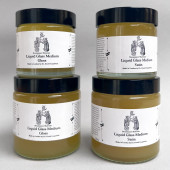
Liquid Glass Mediums
Starting at: £32.00
Renaissance Materials by Dr. David Cranswick.
A thick glazing medium of the 'Old Masters'. Liquid Glass Mediums facilitate building up layers of transparent glaze. Gloss or Satin. Contains: Damar resin, linseed oil and beeswax (for Satin medium only)
Avoid applying a final varnish. The medium can be used as a varnish.
-
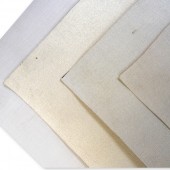
Primed Linen
Starting at: £78.50
Primed Linen. 210 cm (84 inches) wide. Prices per meter. Learn More -
-

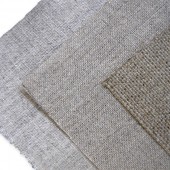
Cornelissen Cotton Tote Bags
Starting at: £3.00
Cornelissen cotton tote bags, two designs. Large 34 x 47 cm. (Images no. 1 and 2, with illustration) Medium 34 x 36 cm. (Image no. 3, text only) Learn More -
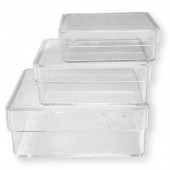
Transparent Containers
Starting at: £1.20
Rigid high quality boxes manufactured in clear Polystyrene. Medium and large sizes are ideal for storing loose nibs. Learn More -
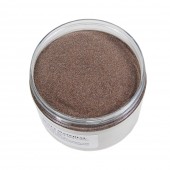
Carborundum Powder
Starting at: £16.40
Carborundum Powder. Grid of coarseness: Fine 120/220, Medium 80/120, Coarse 60/80 Learn More -
-
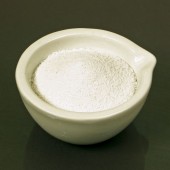
Marble Dust
Starting at: £4.70
Imparts texture when added to acrylic mediums and primers. Can also be used in lime mortar. Available in three different grades: - Coarse (irregular granules); - Medium (mesh size: 16); - Fine (mesh size: 100; most appropriate for use in paint). Learn More -
-
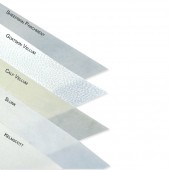
Goatskin Vellum
Starting at: £11.15
Medium to thick with a shiny surface. Distinctive 'pebbled' appearance makes it slightly more difficult to write on.
Please note: This is a natural product that has been finished and cut by hand. As such, there may be slight variations in the surface and size of each piece.
Learn More -
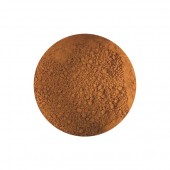
Burnt Sienna Pigment
Starting at: £4.00
PBr7
Burnt Sienna is a natural earth pigment that has been in use since antiquity. Our Burnt Sienna comes from Tuscany, and is produced by calcining Raw Sienna to temperatures of about 450 degrees Celsius. This process creates a rich warm colour and increases transparency. It also offers a good tinting strength, excellent lightfastness, and a fast to medium drying rate in oil. It is stable in all media but, like umber pigments, may be difficult to disperse in acrylic binders.
Toxicity B
Learn More -
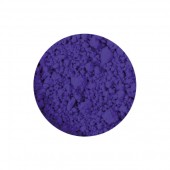
Ultramarine Blue Dark Pigment
Starting at: £4.00
PB29
Ultramarine Blue Dark is an artificial mineral pigment that is produced by heating clay, soda, sulphur and coal to high temperatures. Its name comes from outremer, or over-the-sea, as a reference to the highly-prized Lapis Lazuli pigment which had been imported into Europe from Afghanistan since the Middle Ages. First manufactured in France and Germany in 1828, synthetic Ultramarine provided a brilliant and affordable blue to artists, and it remains one of the most popular blues on artists' palettes today.
It is a transparent pigment, with a high tinting strength and excellent lightfastness. It reacts to alkali, therefore it is not suitable for use in lime-fresco; we do offer a Limeproof Ultramarine Blue for this purpose. It is stable in all other media, although it can be tricky to grind in oil. Instead of creating a thick, buttery paste, it can remain stringy and deteriorate when stored in a tube. To correct this, many commercial paint manufacturers include additives and waxes in their recipes; if you intend on grinding your own paint, you could try replacing 10-15% of your Linseed Oil with Poppy Oil to improve the consistency. Ultramine Blue provides a slow-drying, fairly hard paint film, which can tend towards brittleness.
Toxicity: B
Learn More -
-
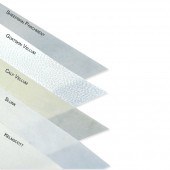
Calf Vellum
Starting at: £16.75
Medium to thick. Both sides useable for writing. Whiter and less translucent than parchment.
Please note: This is a natural product that has been finished and cut by hand. As such, there may be slight variations in the surface and size of each piece.
-
-
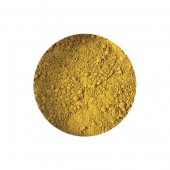
Raw Sienna Pigment
Starting at: £4.00
PBr7
Raw Sienna is a natural earth pigment that dates back to antiquity. Our Raw Sienna comes from areas of Tuscany where the earth has been coloured by iron-rich minerals. It provides a good tinting strength, excellent lightfastness, and a fast to medium drying rate in oil. It is stable in all media but, like umber pigments, can be difficult to disperse in an acrylic binder. It is similar in composition to Yellow Ochre, but whereas Yellow Ochre contains a higher proportion of clay, Raw Sienna contains a higher proportion of silica. As a natural material, the exact colour and qualities of the resultant pigments can vary, but generally this difference creates a paler, more opaque Yellow Ochre, and a darker, more transparent Raw Sienna.
Toxicity: B
Learn More -
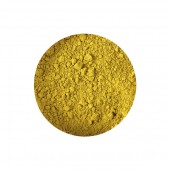
Yellow Ochre Pigment
Starting at: £4.00
PY43
Yellow Ochre is a natural earth pigment that has been in use since prehistoric times. It is derived from iron-rich clay deposits that are present all over the world; our Yellow Ochre comes from the hilly regions around Verona, Italy. As a pigment, it is semi-opaque, extremely lightfast, and stable in all media. It has a medium to slow drying rate in oil, creating a tough, flexible paint film. Yellow Ochre is similar in composition to Raw Sienna, but whereas Yellow Ochre contains a higher proportion of clay, Raw Sienna contains a higher proportion of silica. As a natural material, the exact colour and qualities of the resultant pigments can vary, but generally this compositional difference creates a paler, more opaque Yellow Ochre, and a darker, more transparent Raw Sienna.
Toxicity B
Learn More -
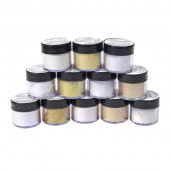
Pearl Lustre Pigments 1 kg
Starting at: £94.00
Call to Order
Pearl Lustre Pigments 1 kg. Colour swatch on the left indicates colour on a White Background and Colour on a Black Background on the right. Learn More -
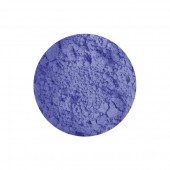
Cerulean Blue Pigment
Starting at: £14.50
PB35
Cerulean Blue is an artificial mineral pigment that is prepared by heating a mixture of Cobalt Chloride and Potassium Stannate. It was first synthesised in the early nineteenth century, becoming more widely used from 1870, when Rowney introduced Coeruleum Blue into their range. It produces a very bright, clear, and unusually opaque blue, hence its name, which is derived from the Latin for "sky-blue", or perhaps "heaven-blue". It has a very low tinting strength meaning that, although it is stable in all media, some artists may choose to bind it in poppy rather than linseed oil, so that the colour isn't affected by the colour of the binder. It creates a fairly flexible paint film, and is a fast-to-medium drying pigment.
Limeproof
Toxicity: B
Learn More -
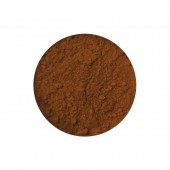
Translucent Yellow Oxide Pigment
Starting at: £7.00
Translucent Yellow Oxide (PY42). Artificial mineral pigment, hydrated ferric oxides. Transparent and very lightfast. Stable in all media, medium drying rate in oil. Toxicity B. Learn More -
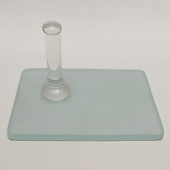
Cornelissen Mini Glass Muller and Slabs
Starting at: £28.00
Use Cornelissen Mini Glass Mullers in conjunction with a Cornelissen Glass Slab to make paint efficiently. The sand-blasted texture of the muller and plate helps to push and distribute the pigment throughout the binder quickly. This means less time grinding, more time painting! Learn More -
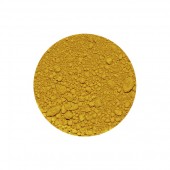
Mars Yellow Pigment
Starting at: £4.50
PY42
Mars Yellow is an artificial mineral pigment, a synthetic iron oxide. Mars colours in general replace many natural earth colours to provide pigments without impurities and with great opacity. It has a good tinting strength, is lightfast and stable in all media, and has a medium drying time in oil, creating a strong, flexible paint film.
Toxicity: B
Limeproof
Learn More -
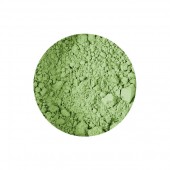
Terre Verte Pigment
Starting at: £4.00
Terre Verte, sometimes known as Green Earth, is a natural earth pigment derived from clay coloured by iron silicate. As with other natural pigments, impurities can prevent it from fully dispersing in an acrylic binder, although it is a popular pigment in all other mediums. It has been in use since antiquity, providing excellent lightfastness and great transparency, with a low tinting strength. It requires a high volume of oil, and dries slowly to create a soft, flexible paint film. When calcined, Terre Verte becomes Burnt Green Earth.
Toxicity B Learn More -
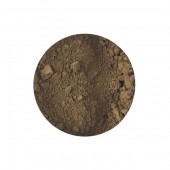
Burnt Umber Pigment
Starting at: £4.00
PBr7
Burnt Umber is a natural earth pigment from Italy, composed of iron oxide, manganese, and aluminium silicate. It is a form of Raw Umber that a has undergone a process of calcination, becoming warmer, more transparent and easier to disperse. It has a good tinting strength, and is very lightfast, quick-drying, and stable in all media. In oils it forms a hard, fairly flexible paint film, though it may be difficult to use in acrylic mediums.
Toxicity: B
Learn More -
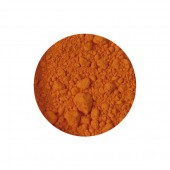
Cadmium Yellow Orange Pigment
Starting at: £4.50
Cadmium Yellow Orange Pigment (PY108) also known as Pyramid Yellow. Organic pigment. Opaque to Semi-opaque. Good tinting strength. Excellent Lightfastness. Medium drying rate. Suitable for all media except Lime-fresco. Toxicity B/C Learn More -
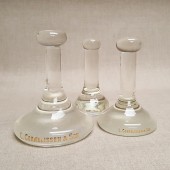
Cornelissen Glass Mullers
Starting at: £24.50
Cornelissen Glass Mullers are handmade using superior boro silicate laboratory glass, which is 40% harder, more heat resistant, and offers better clarity than soda-lime glass. The base of each muller is ground perfectly flat, and sand-blasted to create a fine tooth to facilitate the grinding of pigments. The tall handle features an ergonomic top, to ease fatigue when grinding large amounts of pigment. Mullers act as flat-bottomed pestles, which are used to grind pigment into a binding medium, suspending it evenly to create a uniform covering of binder around each pigment particle. Using a muller and slab, rather than simply mixing pigment and binder together, will create a more homogenised and stable paint. Use in conjunction with a Cornelissen Glass Slab to make paint efficiently. The sand-blasted texture of the muller and plate helps to push and distribute the pigment throughout the binder quickly. This will mean less grinding, and more painting! Learn More -
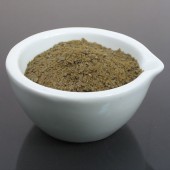
Carnauba Wax Grey
Starting at: £8.40
Carnauba Wax is the hardest wax commonly used in the production of artists' materials, with a melting point of 83-86°c. It is derived from a tree native to South America, and is available in a natural colour (grey), or a refined colour (pale yellow). Small amounts of carnauba wax are commonly used in both oil painting mediums and encaustic painting, usually in conjunction with beeswax to add toughness, durability and sheen to the paint film. It creates an inflexible surface, so works best on rigid supports such as gesso panels, and it should be noted that it will raise the melting point of encaustic mixtures. It can produce a glossy finish; as such it is used in waxes and polishes for shoes, cars, musical instruments, furniture, and wooden floors, especially when mixed with beeswax and turpentine. Learn More -
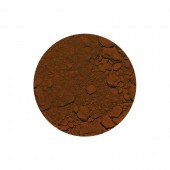
Mars Red Pigment
Starting at: £4.50
PR101
Mars Red is an artificial mineral pigment. Its pigment code, PR101, refers to a wide spectrum of synthetic iron oxide pigments including yellows, oranges, reds, violet-browns and green-browns, which replace many natural earth colours to provide pigments without impurities and with great opacity. It has a good tinting strength, is lightfast and stable in all media, and has a medium drying time in oil.
Toxicity: B
Limeproof
Learn More -
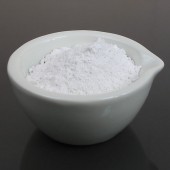
Precipitate Chalk
Starting at: £6.30
Precipitate Chalk is fine and white. For use in aqueous mediums as a ground for oil and tempera paintings. Learn More -
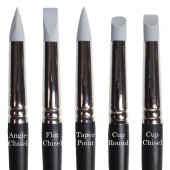
Colour Shapers
Starting at: £6.50
Unique silicone tipped tools for painting heavy mediums such as acrylic and oil paint. Excellent for spreading adhesives and appplying masking fluid. Can be used with Batik and encaustic wax. Available in soft ivory tip and firm grey tip. Learn More
Currently Shopping by:
- Manufacturer: Cornelissen Remove This Item
Shopping Options
- Category
-
- Pigments, Gums, Resins (47)
- Oils, Acrylics (4)
- Canvas, Supports (6)
- Drawing, Calligraphy (4)
- Gilding, Restoration (5)
- Printmaking (3)
- Brushes (1)
- Studio, Books (4)
- Signwriting, Specialist Decorating (1)
- Price
-
- £0.00 - £99.99 (64)
- £100.00 and above (1)
You have no items in your shopping basket.

- Search Brands
-