

Search results for '10'


-
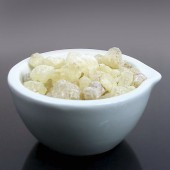
Gum Damar
Starting at: £10.00
Damar is a pale, almost colourless tree resin, which is soluble in turpentine, but not in alcohol or mineral spirits. It can be used as a varnish or as a glossy painting medium in conjunction with vegetable oils, and is generally preferable to other resin-based varnishes, such as mastic varnish, as it retains its colourless appearance for a longer period of time. In encaustic painting, the inclusion of damar resin imparts toughness and gloss to the paint surface. Learn More -
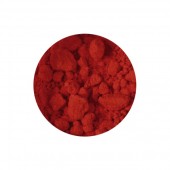
Cadmium Red Pigment
Starting at: £8.40
PR108
Cadmium Red is a synthetic organic pigment, which has been in use since the 1920s, effectively replacing vermilion. It is formed by heating cadmium sulphide and selenium, the hue is determined by the level of calcination and proportion of selenium. It is very opaque, and lightfast, with a high tinting strength. It absorbs a small amount of oil, and dries very slowly to form a hard, flexible paint film.
Larger quantities are available by request.
Limeproof
Toxicity: C
Learn More -
Cornelissen Silver Leaf Thick
Starting at: £17.70
Cornelissen Silver Leaf Thick, 95 x 95 mm (34g/1000 lvs). Book of 25 leaves Learn More -
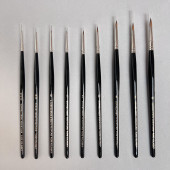
Cornelissen Miniature
Starting at: £8.90
Extra short haired brush for the discerning miniaturist. Learn More -
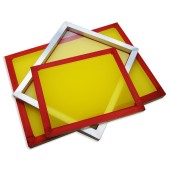
Aluminium Ready Stretched Screen
Starting at: £39.00
Pre-stretched aluminium screens. Our screens use the highest quality monofilament polyester mesh and are available in 43T (for fabric), 90T (for paper) and 120T (for finest detail on paper). The mesh appears in different colours, white is for fabric and yellow is for the higher mesh counts, the colour this makes registering with stencils underneath the screen easier. The screen is made of quality aluminium with a profile of 20mm x 30mm x 1.2mm thick. Learn More -
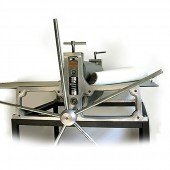
Cornelissen T73140 Professional Press
£3,800.00Cornelissen Press T73140, Bed size: 73 x 140 cm, Upper Roller Diameter: 157 mm, Lower Roller Diameter: 157mm, Etching press base: 78.5 x 91 cm. Weight: 148 kg. We offer press demonstrations for this model. Please call Cornelissen for more details. This press is made to order. Delivery to your address usually takes up to 4 weeks to UK & EU countries and 6 weeks to USA after the order is placed. Please be aware these goods are heavy and it is the customer’s responsibility to check measurements for delivery before orders are placed and to be able to receive the goods over two days.
Learn More -
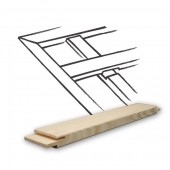
Exhibition Cross Bars
Starting at: £3.12
Exhibition cross bars for Exhibition stretchers only. Notched for overlap from 120cm. Prices are for individual bars. Please note, this range is stored off-site. Please allow extra time for your order to be processed and dispatched. [Only available online] Learn More
-
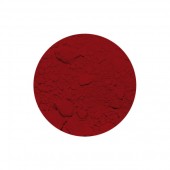
Cadmium Red Deep Pigment
Starting at: £15.00
PR108
Cadmium Red Deep is a synthetic organic pigment, which has been in use since the 1920s, effectively replacing vermilion. It is formed by heating cadmium sulphide and selenium, the hue is determined by the level of calcination and proportion of selenium. It is very opaque, and lightfast, with a high tinting strength. It absorbs a small amount of oil, and dries very slowly to form a hard, flexible paint film.
Larger quantities are available by request.
Limeproof
Toxicity: C
Learn More -
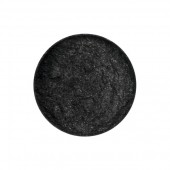
Graphite Powder (Sri Lanka)
Starting at: £5.50
PBk10
Graphite powder is an allotropic form of pure carbon, ground to 200 mesh. It is transparent and lightfast, with a slight sheen. It can be applied directly onto a paper support.
Larger quantities are available by request. This variety of graphite is a naturally occurring material sourced from Sri Lanka.
Toxicity: A/B
Learn More -
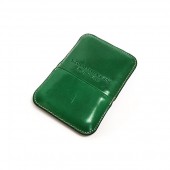
Leather Card Holders
Starting at: £38.50
This card holder holds up to six cards, and is embossed with lettering that reads "L.Cornelissen & Son Est. London 1855". All of our leather goods are handmade in Spain, and dyed with natural dyes that will fade and age beautifully over time. Learn More -
Cornelissen Silver Leaf Thin
Starting at: £15.20
Cornelissen Silver Leaf Thin, 95 x 95 mm (20g/1000 lvs). Book of 25 leaves. * Glass Quality - Please note the loose leaf has been double-checked to ensure suitability for gilding on glass. Learn More -
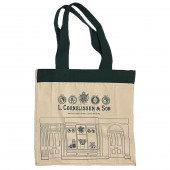
Cornelissen Canvas Tote Bag
£15.00Cornelissen canvas bag 3 internal pockets Dimensions H36 x W39 x G12 cm Learn More -
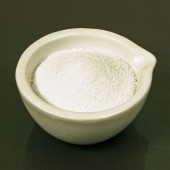
Marble Dust
Starting at: £4.70
Imparts texture when added to acrylic mediums and primers. Can also be used in lime mortar. Available in three different grades: - Coarse (irregular granules); - Medium (mesh size: 16); - Fine (mesh size: 100; most appropriate for use in paint). Learn More -
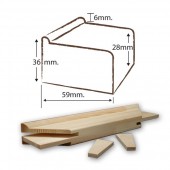
Exhibition Stretcher Bars
Starting at: £4.56
Top quality 36mm deep stretcher bars made from European pine. Extra strong laminated wood construction to minimise warping. Mortised for cross bars from 100cm. Mitre cut expansion corners. Lip finished to 2mm radius to minimise cracking on inkjet prints. All stretcher bars are cut 3mm short of nominal size. Supplied with wedges. Prices are for individual bars. Please note, this range is stored off-site. Please allow extra time for your order to be processed and dispatched. [Only available online] Learn More
-
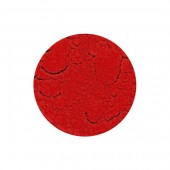
Cadmium Vermilion Pigment
Starting at: £7.50
PR108
Cadmium Red is a synthetic organic pigment that has been in use since the 1920s. It is formed by heating cadmium sulphide and selenium, the hue is determined by the level of calcination and proportion of selenium. It is very opaque, and lightfast, with a high tinting strength. It absorbs a small amount of oil, and dries very slowly to form a hard, flexible paint film. This shade has been formulated to imitate the bright hue of vermilion.
Larger quantities are available by request.
Limeproof
Toxicity: C
Learn More -
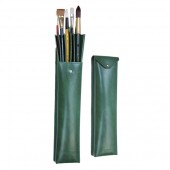
Leather Regent Long Handle Brush Case
Starting at: £103.10
This sturdy brush case measures 39cm, which is long enough to hold a selection of oil-painting brushes. All of our leather goods are handmade in Spain, and dyed with natural dyes that will fade and age beautifully over time. Please ring our office if you would like to make a custom order of this product.
Learn More -
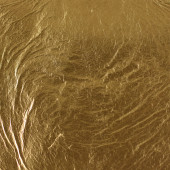
Japanese Gold 23ct
Starting at: £83.00
Highest quality 23ct gold leaf from Japan. Leaves measure 109×109mm and are approximately 0.1μ~0.2μ in thickness. These Tachikiri (contemporary) leaves are beaten in between glassine paper which leaves a much softer impression on the surface of each leaf, resulting in a slightly shinier finish than the more traditional Enzuke gold leaf. Each pack contains 10 leaves. Learn More -
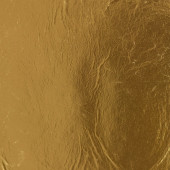
Japanese Gold 24ct
Starting at: £104.10
Highest quality 24ct gold leaf from Japan. Leaves measure 109×109mm and are approximately 0.1μ~0.2μ in thickness. These Tachikiri (contemporary) leaves are beaten in between glassine paper which leaves a much softer impression on the surface of each leaf, resulting in a slightly shinier finish than the more traditional Enzuke gold leaf. Each pack contains 10 leaves. Learn More -
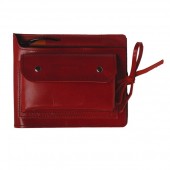
Leather Chelsea Watercolour Case and Pad
Starting at: £88.85
This travelling watercolour case includes a spiral-bound A6 sketchbook, which is easily refillable. The case is compatible with a standard watercolour tin of twelve half-pans (not included). All of our leather goods are handmade in Spain, and dyed with natural dyes that will fade and age beautifully over time. Please see below to order this in red, green or tan brown, or ring our office to enquire about additional colours that we may have available. Learn More -
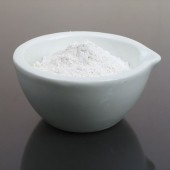
Plaster of Paris
Starting at: £6.00
For moulding when mixed with the same volume of water. Sets quickly and will not shrink. Learn More -
Japanese Gold 14,3ct
Starting at: £67.80
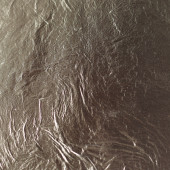
Highest quality 14,3ct gold leaf from Japan. Leaves measure 109×109mm and are approximately 0.1μ~0.2μ in thickness. These Tachikiri (contemporary) leaves are beaten in between glassine paper which leaves a much softer impression on the surface of each leaf, resulting in a slightly shinier finish than the more traditional Enzuke gold leaf. Each pack contains 10 leaves. Learn More -
Japanese Gold 22,66ct
Starting at: £81.00
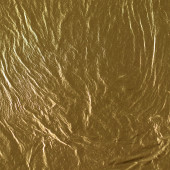
Highest quality 22,66ct gold leaf from Japan. Leaves measure 109×109mm and are approximately 0.1μ~0.2μ in thickness. These Tachikiri (contemporary) leaves are beaten in between glassine paper which leaves a much softer impression on the surface of each leaf, resulting in a slightly shinier finish than the more traditional Enzuke gold leaf. Each pack contains 10 leaves. Learn More -
-
Japanese Gold 23,44ct
Starting at: £91.90
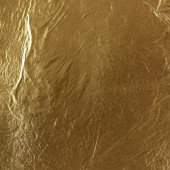
Highest quality 23,44ct gold leaf from Japan. Leaves measure 109×109mm and are approximately 0.1μ~0.2μ in thickness. These Tachikiri (contemporary) leaves are beaten in between glassine paper which leaves a much softer impression on the surface of each leaf, resulting in a slightly shinier finish than the more traditional Enzuke gold leaf. Each pack contains 10 leaves. Learn More -
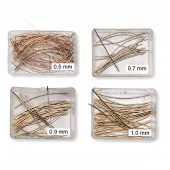
Metalpoint Wire
Starting at: £0.50
Metalpoint Wire, sold as individual pieces, 2 inches long Learn More -
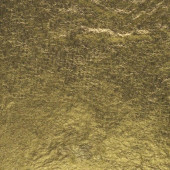
Japanese Gold Leaf 22,66ct Enzuke
Starting at: £88.40
Highest quality 22,66ct gold leaf from Japan. Leaves measure 109×109mm and are approximately 0.1μ~0.2μ in thickness. Enzuke gold leaf is beaten between sheets of traditional of washi paper called furuya-gami and refers to the subtle grid pattern that appears on the surface of the leaves. In Japan, Enzuke gold is considered more traditional and has a soft lustrous appearance. Each pack contains 10 leaves. Learn More -
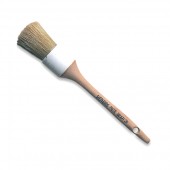
Shepherds Paste Brush
Starting at: £5.00
Archival paste brush. String bound bristles (no metal ferrule means it will not rust.) Soft and durable. For bookbinding and laying down of gesso, suitable for all adhesive pastes. Clean with warm water after use. In stock: No. 24 (discontinued, only a few left) Brush length 335mm Bristle Length 65mm Bristle Diameter 40mm No. 28 Brush length 345mm Bristle Length 75mm Bristle Diameter 45mm Learn More -
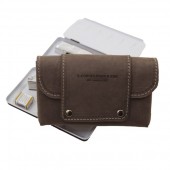
Leather Watercolour Case
Starting at: £45.40
This Watercolour Case is designed to hold a standard tin of 12 half-pans. All of our leather goods are handmade in Spain, and dyed with natural dyes that will fade and age beautifully over time. Please see below to order this in red, green or tan brown, or ring our office to enquire about additional colours that we may have available. Learn More -
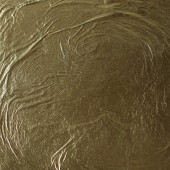
Japanese Gold 18,12ct
Starting at: £73.10
Highest quality 18,12ct gold leaf from Japan. Leaves measure 109×109mm and are approximately 0.1μ~0.2μ in thickness. These Tachikiri (contemporary) leaves are beaten in between glassine paper which leaves a much softer impression on the surface of each leaf, resulting in a slightly shinier finish than the more traditional Enzuke gold leaf. Each pack contains 10 leaves. Learn More -
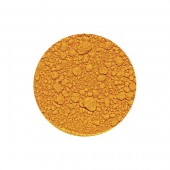
Cadmium Yellow Deep Pigment
Starting at: £7.40
Cadmium Yellow Deep Pigment (PY37). Synthetic Inorganic pigment. Opaque. Good tinting strength. Excellent Lightfastness. Low oil absorption with slow drying rate. Suitable for all media. Good acid and alkali resist. Exterior application not advised as discoloration occurs. Used since 19th Century. Toxicity B/C. Learn More
Currently Shopping by:
- Manufacturer: Cornelissen Remove This Item
Shopping Options
- Category
-
- Pigments, Gums, Resins (124)
- Oils, Acrylics (2)
- Canvas, Supports (8)
- Watercolour, Gouache, Egg Tempera (3)
- Drawing, Calligraphy (10)
- Gilding, Restoration (38)
- Printmaking (20)
- Brushes (18)
- Paper (6)
- Studio, Books (13)
- Signwriting, Specialist Decorating (6)
- Price
-
- £0.00 - £999.99 (225)
- £1,000.00 - £1,999.99 (1)
- £2,000.00 - £2,999.99 (1)
- £3,000.00 and above (2)
You have no items in your shopping basket.

- Search Brands
-