

Search results for 'për të më'


-
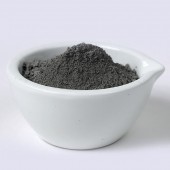
Rottenstone Grey
Starting at: £7.00
Fine abrasive powder used historically for polishing daguerreotype plates. Can be used to age wooden frames and object's d'art. Learn More -
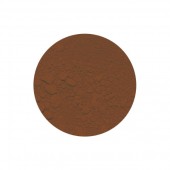
Cadmium Brown Pigment
Starting at: £10.00
PR108
Cadmium Brown is a shade of Cadmium Red, a synthetic organic pigment that has been in use since the 1920s. It is formed by heating cadmium sulphide and selenium, the hue is determined by the level of calcination and proportion of selenium. It is very opaque, and lightfast, with a high tinting strength. It absorbs a small amount of oil, and dries very slowly to form a hard, flexible paint film.
Larger quantities are available by request.
Limeproof
Toxicity: C
Learn More -
-
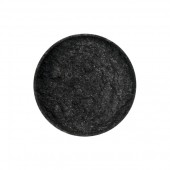
Carbon Black Pigment
Starting at: £10.80
PBk7
Carbon Black is an inorganic synthetic pigment, created by burning natural gases to form an almost pure carbon. It is semi-transparent, and in oil dries very slowly to a soft, brittle paint film. It requires a wetting agent, and can show in streaks, even when mixed with other colours.
Larger quantities are available by request.
Learn More -
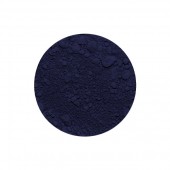
Phthalo Blue Pigment
Starting at: £8.00
PB15:3
Phthalo (Mona) Blue is a synthetic organic pigment, Copper Phthalocyanine, that has been in use since the 1930s. It has an extremely high tinting strength and is a staining colour, so cannot successfully be lifted in watercolour. It requires a wetting agent to fully disperse into a medium, and, when used at full strength, a copper sheen is visible in dried paint film. It is transparent, very lightfast, and has a medium-to-slow drying rate in oil.
Toxicity: C
While stocks last
Learn More -
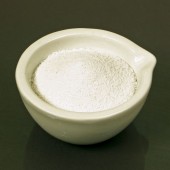
Marble Dust
Starting at: £4.70
Imparts texture when added to acrylic mediums and primers. Can also be used in lime mortar. Available in three different grades: - Coarse (irregular granules); - Medium (mesh size: 16); - Fine (mesh size: 100; most appropriate for use in paint). Learn More -
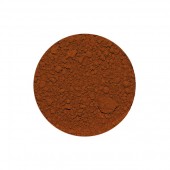
Pozzuoli Red Pigment
Starting at: £5.20
Pozzuoli Red is a natural earth pigment that was originally found in the volcanic areas in Pozzuoli, Italy. It was unique for its cement-like setting qualities due to naturally occurring silica. Modern Pozzuoli Red refers to the warm red colour rather than this physical characteristic.
Toxicity: B
Learn More -
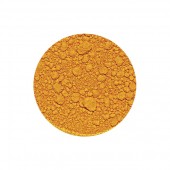
Cadmium Yellow Deep Pigment
Starting at: £7.40
Cadmium Yellow Deep Pigment (PY37). Synthetic Inorganic pigment. Opaque. Good tinting strength. Excellent Lightfastness. Low oil absorption with slow drying rate. Suitable for all media. Good acid and alkali resist. Exterior application not advised as discoloration occurs. Used since 19th Century. Toxicity B/C. Learn More -
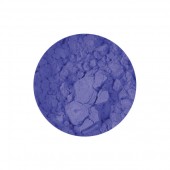
Smalt Light Pigment
Starting at: £5.20
PB32
Smalt is a kind of cobalt blue glass or frit, and its use as a pigment dates from the 1600s in the glass-making regions of Saxony. We offer two shades, light and dark, which are determined by the particle size of the pigment; the more finely ground the powder, the paler the colour. Before the introduction of Ultramarine Blue, Smalt was available in a wide variety of grades. It is a very transparent pigment, which is easily overwhelmed in mixtures due to its weak tinting strength. It works best in water based media. When ground in oil, it can become almost invisible in dried oil-paint films because its refractive index is so close to that of linseed oil.
Larger quantities are available by request.
Learn More -
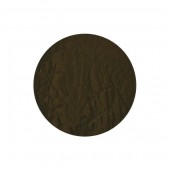
Van Dyke Brown Pigment
Starting at: £4.50
Van Dyke Brown pigment is know for its poor lightfastness and instability in all mediums. Our Van Dyke Brown, also known as Cassel Earth, offers the same dark brown colour and transparency as the traditional pigment, but without the drawbacks usually associated with its longevity and use. It is made from lignite, or brown coal, from the Alsace region in France.
Toxicity: B
Learn More -
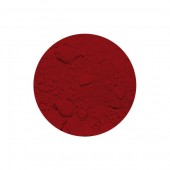
Cadmium Red Deep Pigment
Starting at: £15.00
PR108
Cadmium Red Deep is a synthetic organic pigment, which has been in use since the 1920s, effectively replacing vermilion. It is formed by heating cadmium sulphide and selenium, the hue is determined by the level of calcination and proportion of selenium. It is very opaque, and lightfast, with a high tinting strength. It absorbs a small amount of oil, and dries very slowly to form a hard, flexible paint film.
Larger quantities are available by request.
Limeproof
Toxicity: C
Learn More -
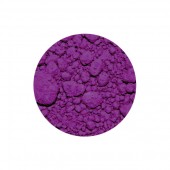
Manganese Violet Pigment
Starting at: £8.50
PV16
Manganese Violet is a synthetic organic pigment, discovered in Germany in 1868 and formed by combining manganese chloride, phosphoric acid and ammonium carbonate. It is very lightfast, but sensitive to alkalis and oils. It is semi-opaque and fast-drying, with a low tinting strength and low absorption of oil.
Toxicity: C
Learn More -
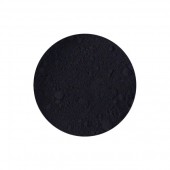
Spinel Black Pigment
Starting at: £8.00
Spinel Black is a synthetic mixed-metal oxide pigment. It provides a deep, cool, transparent black, which dries quickly in oil.
Toxicity: C
Learn More -
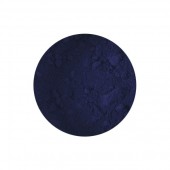
Indigo Blue Synthetic Pigment
Starting at: £5.50
Indigo Blue Synthetic Pigment (VB1). Organic pigment. Transparent. Good tinting strength. Moderate Lightfastness, slower fading rate than Genuine Indigo. Requires wetting agent. Suitable for oil and water-based media. Developed in late 19th Century. Toxicity A/B Learn More -
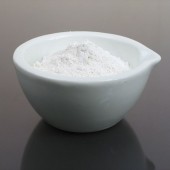
Plaster of Paris
Starting at: £6.00
For moulding when mixed with the same volume of water. Sets quickly and will not shrink. Learn More -
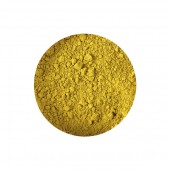
Yellow Ochre Pigment
Starting at: £4.00
PY43
Yellow Ochre is a natural earth pigment that has been in use since prehistoric times. It is derived from iron-rich clay deposits that are present all over the world; our Yellow Ochre comes from the hilly regions around Verona, Italy. As a pigment, it is semi-opaque, extremely lightfast, and stable in all media. It has a medium to slow drying rate in oil, creating a tough, flexible paint film. Yellow Ochre is similar in composition to Raw Sienna, but whereas Yellow Ochre contains a higher proportion of clay, Raw Sienna contains a higher proportion of silica. As a natural material, the exact colour and qualities of the resultant pigments can vary, but generally this compositional difference creates a paler, more opaque Yellow Ochre, and a darker, more transparent Raw Sienna.
Toxicity B
Learn More -
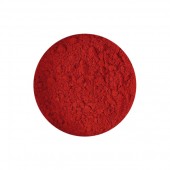
Quinacridone Scarlet Pigment
Starting at: £6.30
Quinacridone Scarlet Pigment (PR209). Organic pigment. Very transparent. High tinting strength. Excellent Lightfastness. High oil absorption with slow drying rate. Requires wetting agent. Suitable for all media. Developed in the 1950's. Toxicity A/B. Learn More -
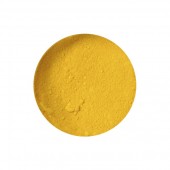
Cadmium Yellow Light Pigment
Starting at: £6.20
Cadmium Yellow Light Pigment (PY37). Synthetic Inorganic pigment. Opaque. Good tinting strength. Excellent Lightfastness. Low oil absorption with slow drying rate. Suitable for all media. Good acid and alkali resist. Exterior application not advised as discoloration occurs. Used since 19th Century. Toxicity B/C. Learn More -
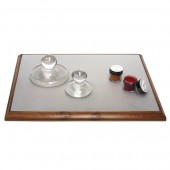
Mixing Slab
Starting at: £24.00
A glass slab with wooden cradle for the grinding of pigments.
The friction created between the sand-blasted surfaces of the glass slab and muller facilitates the thorough mixing of pigment and medium, creating a consistent and strong paint body. This slab can be used to manufacture many types of paint including watercolours, egg tempera and oils.
Mulling is of particular importance when making oil paint; simply mixing pigment and oil together using a palette knife will result in an unstable substance with poor plasticity, which contains a large amount of excess oil and unevenly distributed pigment particles. Thorough mulling in a figure-of-eight motion will enable the pigment to be fully combined into the binder, strengthening the resultant paint film.
PLEASE NOTE: The separate glass slabs are in stock but it is a call to order item due to the fact that we cannot guarantee its safe delivery, however well we package it. Please ring us to discuss your delivery options. In combination with the glass frame, delivery is more secure but we still cannot guarantee a delivery without breakage.
Learn More -
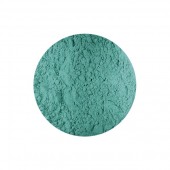
Verdigris Pigment
Starting at: £4.90
Verdigris is an artificial pigment that dates from antiquity. Originally, it was produced by exposing copper to vinegar; nowadays acetic acid is used. It is acidic, so can contribute to the deterioration of paper supports. For this reason, it is more suited to oil or tempera painting than it is to watercolour. In tempera painting, it should be bound in animal glue or isinglass glue rather than egg york. When used in oil painting it should be held in a resin oil or balsam such as Venice Turpentine, as it can turn brown when ground directly into linseed oil. It is a fast-drying, transparent pigment, with a visible crystalline structure.
Larger quantities are available by request.
Learn More -
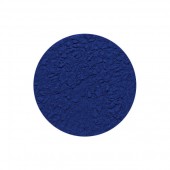
Ultramarine PB29 Pigment
Starting at: £9.10
PB29
Ultramarine Blue is an artificial mineral pigment that is produced by heating clay, soda, sulphur and coal to high temperatures. Its name comes from outremer, or over-the-sea, as a reference to the highly-prized Lapis Lazuli pigment which had been imported into Europe from Afghanistan since the Middle Ages. First manufactured in France and Germany in 1828, synthetic Ultramarine provided a brilliant and affordable blue to artists, and it remains one of the most popular blues on artists' palettes today.
It is a transparent pigment, with a high tinting strength and excellent lightfastness. It reacts to alkali, therefore it is not suitable for use in lime-fresco; we do offer a Limeproof Ultramarine Blue for this purpose. It is stable in all other media, although it can be tricky to grind in oil. Instead of creating a thick, buttery paste, it can remain stringy and deteriorate when stored in a tube. To correct this, many commercial paint manufacturers include additives and waxes in their recipes; if you intend on grinding your own paint, you could try replacing 10-15% of your Linseed Oil with Poppy Oil to improve the consistency. Ultramine Blue provides a slow-drying, fairly hard paint film, which can tend towards brittleness.
Toxicity: B/C
Learn More -
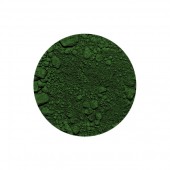
Phthalo Green Pigment
Starting at: £8.10
Phthalo (Mona) Green Pigment (PG7). Organic pigment (Chlorinated Copper Phthalocyanine). Transparent. Very high tinting strength. Excellent Lightfastness. Medium to slow drying rate. Requires wetting agent. Suitable for all media. Developed in 1927. Toxicity B Learn More -
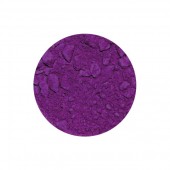
Cobalt Violet Dark Pigment
Starting at: £14.00
Cobalt Violet Dark Pigment (PV14). Synthetic inorganic pigment. Semi-transparent. High tinting strength. Excellent Lightfastness. Low oil absorption with fast drying rate. All media including ceramics. Used since late 19th Century.
Limeproof
Toxicity: C
Please note, unfortunately we are not able to send this product outside the UK.
Learn More -
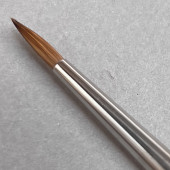
Cornelissen Series 22 Spotter
Starting at: £8.10
Short haired pure sable brush fo extra control and strength while spotting and retouching. Learn More -
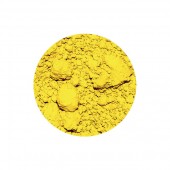
Cobalt Yellow Pigment
Starting at: £8.80
Cobalt Yellow Pigment, Aureolin (PY40). Synthetic Inorganic pigment (Potassium Cobaltinitrate). Transparent. Good tinting strength. Very good Lightfastness. Medium to high oil absorption. Suitable for all media except Lime-fresco. Used since mid 19th Century. Toxicity C.
Please note, unfortunately we are not able to send this product outside the UK.
Learn More -
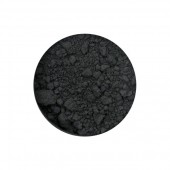
Lamp Black Pigment
Starting at: £6.70
PBk 6
Lamp Black is an inorganic, synthetic, pure carbon pigment. Originally made from soot collected from oil lamps and fireplaces, its modern equivalent is derived from partly combusted mineral and vegetable oil. It is a cool, transparent, bluish black, with a good tinting strength, and stable in all media. It requires a wetting agent, and in oil it has a very high absorption drying very slowly.
Larger quantities are available by request.
Learn More -
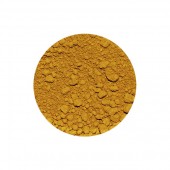
Golden Ochre Pigment
Starting at: £4.50
PY43 Golden Ochre is a natural earth pigment, somewhat darker than Yellow Ochre. It is a semi-transparent, lightfast pigment, that is stable in all media. It has a medium to slow drying rate in oil, creating a tough, flexible paint film. Toxicity: B Limeproof Learn More -
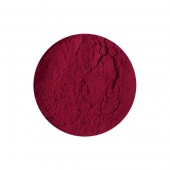
Quinacridone Magenta Pigment
Starting at: £5.50
Quinacridone Magenta Pigment (PR122). Organic pigment. Very transparent. High tinting strength. Excellent Lightfastness. High oil absorption with slow drying rate. Requires wetting agent. Suitable for all media. Developed in the 1950's. Toxicity A/B. Learn More -
-
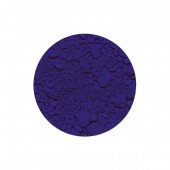
Ultramarine Blue Light Pigment
Starting at: £6.00
PB29
Ultramarine Blue Light is an artificial mineral pigment that is produced by heating clay, soda, sulphur and coal to high temperatures. Its name comes from outremer, or over-the-sea, as a reference to the highly-prized Lapis Lazuli pigment which had been imported into Europe from Afghanistan since the Middle Ages. First manufactured in France and Germany in 1828, synthetic Ultramarine provided a brilliant and affordable blue to artists, and it remains one of the most popular blues on artists' palettes today.
It is a transparent pigment, with a high tinting strength and excellent lightfastness. It reacts to alkali, therefore it is not suitable for use in lime-fresco; we do offer a Limeproof Ultramarine Blue for this purpose. It is stable in all other media, although it can be tricky to grind in oil. Instead of creating a thick, buttery paste, it can remain stringy and deteriorate when stored in a tube. To correct this, many commercial paint manufacturers include additives and waxes in their recipes; if you intend on grinding your own paint, you could try replacing 10-15% of your Linseed Oil with Poppy Oil to improve the consistency. Ultramine Blue provides a slow-drying, fairly hard paint film, which can tend towards brittleness.
Toxicity B
Learn More
Currently Shopping by:
- Manufacturer: Cornelissen Remove This Item
Shopping Options
- Category
-
- Pigments, Gums, Resins (136)
- Oils, Acrylics (13)
- Canvas, Supports (13)
- Watercolour, Gouache, Egg Tempera (11)
- Pastels (1)
- Drawing, Calligraphy (32)
- Gilding, Restoration (88)
- Printmaking (50)
- Brushes (29)
- Paper (8)
- Studio, Books (33)
- Signwriting, Specialist Decorating (9)
- Price
-
- £0.00 - £999.99 (364)
- £1,000.00 - £1,999.99 (1)
- £2,000.00 - £2,999.99 (1)
- £3,000.00 - £3,999.99 (1)
- £4,000.00 and above (1)
You have no items in your shopping basket.

- Search Brands
-