

Search results for 'gilding'


-
-
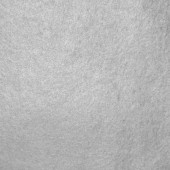
Cornelissen Silver Leaf Thick
Starting at: £17.70
Cornelissen Silver Leaf Thick, 95 x 95 mm (34g/1000 lvs). Book of 25 leaves Learn More -
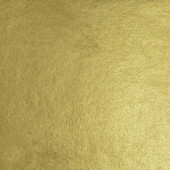
Cornelissen 80 Lemon Gold Leaf 20 ct
Starting at: £73.10
Lemon Gold Leaf 20 ct, 80 x 80 mm. Book of 25 leaves. Coverage per book is 0.16 m2 (1.69 sq. feet) Learn More -
-
-
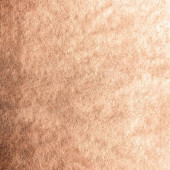
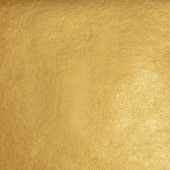
Cornelissen 80 Rose Gold Leaf 22 ct
Starting at: £90.10
Rose Gold Leaf 22 ct, 80 x 80 mm. Book of 25 leaves. Coverage per book is 0.16 m2 (1.69 sq. feet) Learn More -
-
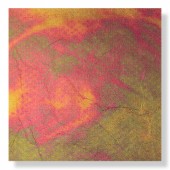
Cornelissen Variegated Metal Leaf 227
Starting at: £23.00
Cornelissen Variegated Metal Leaf Learn More -
-
-
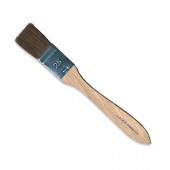
Cornelissen Ox Flat Lacquer
Starting at: £14.90
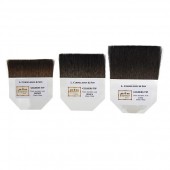
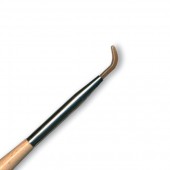
Soft but springy hair. For varnishing or lacquering. Also useful for watercolour washes. Learn More -
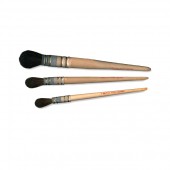
Cornelissen Squirrel Mop
Starting at: £23.10
Traditional high quality soft hair mops with considerable colour carrying capacity. Useful for laying down large washes. Also used by gilders for tamping down gold leaf and for dusting. Learn More -
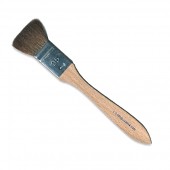
Cornelissen Squirrel Flat Lacquer
Starting at: £34.20
Extra soft brush for varnishing or lacquering. Also useful for watercolour washes. Learn More -
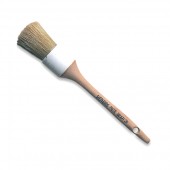
Shepherds Paste Brush
Starting at: £5.00
Archival paste brush. String bound bristles (no metal ferrule means it will not rust.) Soft and durable. For bookbinding and laying down of gesso, suitable for all adhesive pastes. Clean with warm water after use. In stock: No. 24 (discontinued, only a few left) Brush length 335mm Bristle Length 65mm Bristle Diameter 40mm No. 28 Brush length 345mm Bristle Length 75mm Bristle Diameter 45mm Learn More -
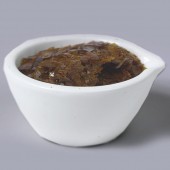
Lemon Shellac
Starting at: £8.20
Shellac is a natural resin that is deposited by the female lac insect on the branches of trees in India and Thailand. It is soluble with alcohol, but not with mineral spirits or turpentine. It forms a tough yet flexible film, with many applications. It is suitable as a top coat for gilding when applied thinly, a sealant for porous surfaces, an isolating layer for tempera paintings, a base for pigmented inks, a protective layer for collograph plates, and a warm varnish for wooden floors and furniture. As it is prone to darkening with age, it is not recommended as a varnish for oils, and its solubility can reduce over time. There are various grades of shellac. When mixed with alcohol, it may initially form a cloudy mixture, due to traces of wax in the shellac, but this should become clear once it has dried. The highest grades of shellac are Clear Dewaxed Shellac, which has been de-coloured using the carbon filtering method, Lemon Shellac, and Orange Shellac, which are pale in colour. Button Shellac is less refined and therefore produces a reddish varnish. It was, in fact, widely used as a red dye before synthetic dyes became available. Learn More -
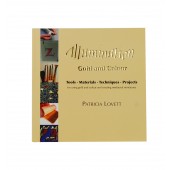
Illumination Gold and Colour Book
£15.00Patricia Lovett is one of the world’s leading authorities on the techniques and practical processes of making mediæval manuscripts. She lectures and teaches all over the world on calligraphy and illumination, and has written about a dozen books on these subjects, as well as producing a DVD – Illumination – Tools, Materials, Techniques, Projects. Patricia has run calligraphy courses as well as those on traditional manuscript gilding and painting techniques, and was awarded an MBE for her services to heritage crafts and calligraphy. This book takes the beginner and those with more experience through step-by-step processes to produce simple and easy projects using cheap metals and modern adhesives, and also to create mediæval miniatures and illuminated scrolls on vellum (animal skin). Learn More -
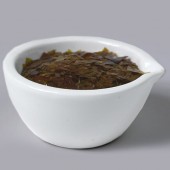
Orange Shellac
Starting at: £8.00
Shellac is a natural resin that is deposited by the female lac insect on the branches of trees in India and Thailand. It is soluble with alcohol, but not with mineral spirits or turpentine. It forms a tough yet flexible film, with many applications. It is suitable as a top coat for gilding when applied thinly, a sealant for porous surfaces, an isolating layer for tempera paintings, a base for pigmented inks, a protective layer for collograph plates, and a warm varnish for wooden floors and furniture. As it is prone to darkening with age, it is not recommended as a varnish for oils, and its solubility can reduce over time. There are various grades of shellac. When mixed with alcohol, it may initially form a cloudy mixture, due to traces of wax in the shellac, but this should become clear once it has dried. The highest grades of shellac are Clear Dewaxed Shellac, which has been de-coloured using the carbon filtering method, Lemon Shellac, and Orange Shellac, which are pale in colour. Button Shellac is less refined and therefore produces a reddish varnish. It was, in fact, widely used as a red dye before synthetic dyes became available. Learn More -
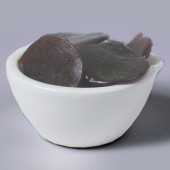
Button Shellac
Starting at: £8.40
Shellac is a natural resin that is deposited by the female lac insect on the branches of trees in India and Thailand. It is soluble with alcohol, but not with mineral spirits or turpentine. It forms a tough yet flexible film, with many applications. It is suitable as a top coat for gilding when applied thinly, a sealant for porous surfaces, an isolating layer for tempera paintings, a base for pigmented inks, a protective layer for collograph plates, and a warm varnish for wooden floors and furniture. As it is prone to darkening with age, it is not recommended as a varnish for oils, and its solubility can reduce over time. There are various grades of shellac. When mixed with alcohol, it may initially form a cloudy mixture, due to traces of wax in the shellac, but this should become clear once it has dried. The highest grades of shellac are Clear Dewaxed Shellac, which has been de-coloured using the carbon filtering method, Lemon Shellac, and Orange Shellac, which are pale in colour. Button Shellac is less refined and therefore produces a reddish varnish. It was, in fact, widely used as a red dye before synthetic dyes became available. Learn More -
-
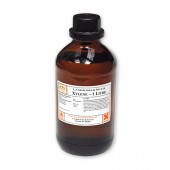
Xylene 1 litre
£18.00Call to Order
Strong solvent used in picture conservation and restoration. Learn More -
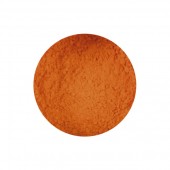
Lead Red Pigment (Minium)
Starting at: £7.30
Call to Order
PR105
Lead Red is an early articficial pigment that dates back to antiquity. It is created by heating Lead White or Litharge at a constant temperature of 480ºC over a prolonged period of time. It is a fast-drying colour, with good tinting strength and opacity, and has been widely used as an underpaint for gilding and in industry. However, it is highly toxic and generally unstable, so has fallen out of use in favour of Cadmium pigments. The acid in linseed oil causes Lead Red to darken, and it can solidify when stored in a tube. In water-based mediums, it can turn black.
Toxicity D Lead is a highly poisonous metal which, if inhaled, ingested, or introduced to the blood through cuts in the skin, builds up in the body and can affect multiple parts of the body, including the digestive and nervous systems.
PERMITTED USES Over 18s only. Proof of age required. Restoration of art works and protected buildings when alternatives unsuitable.
IMPORTANT Please refer to the MSDS (Material Safety Data Sheet) below. Dispose of product as hazardous waste.
SHIPPING Please note, we are not able to send this product outside the UK.
Learn More
Currently Shopping by:
- Manufacturer: Cornelissen Remove This Item
Shopping Options
- Category
-
- Pigments, Gums, Resins (13)
- Drawing, Calligraphy (1)
- Gilding, Restoration (106)
- Brushes (4)
- Studio, Books (2)
- Signwriting, Specialist Decorating (4)
- Price
-
- £0.00 - £999.99 (110)
- £1,000.00 and above (1)
You have no items in your shopping basket.

- Search Brands
-