

Search results for 'st around'


-
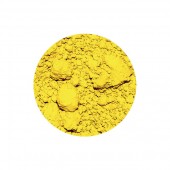
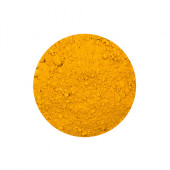
Cobalt Yellow Pigment
Starting at: £8.80
Cobalt Yellow Pigment, Aureolin (PY40). Synthetic Inorganic pigment (Potassium Cobaltinitrate). Transparent. Good tinting strength. Very good Lightfastness. Medium to high oil absorption. Suitable for all media except Lime-fresco. Used since mid 19th Century. Toxicity C.
Please note, unfortunately we are not able to send this product outside the UK.
Learn More -
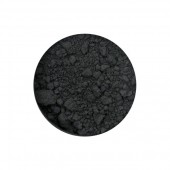
Lamp Black Pigment
Starting at: £6.70
PBk 6
Lamp Black is an inorganic, synthetic, pure carbon pigment. Originally made from soot collected from oil lamps and fireplaces, its modern equivalent is derived from partly combusted mineral and vegetable oil. It is a cool, transparent, bluish black, with a good tinting strength, and stable in all media. It requires a wetting agent, and in oil it has a very high absorption drying very slowly.
Larger quantities are available by request.
Learn More -
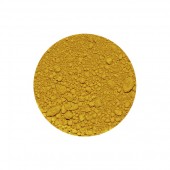
Mars Yellow Pigment
Starting at: £4.50
PY42
Mars Yellow is an artificial mineral pigment, a synthetic iron oxide. Mars colours in general replace many natural earth colours to provide pigments without impurities and with great opacity. It has a good tinting strength, is lightfast and stable in all media, and has a medium drying time in oil, creating a strong, flexible paint film.
Toxicity: B
Limeproof
Learn More -
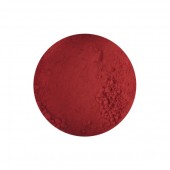
Alizarin Crimson Pigment
Starting at: £4.50
PR83
Alizarin Crimson is a synthetic organic pigment that became available in 1868. It requires a wetting agent to disperse, and in oil it also absorbs a lot of liquid and dries very slowly to form a hard, brittle paint film. It is chemically identical to madder-root pigments and should be protected against UV light where possible as it can fade when applied onto a white ground, although it is less fugitive than its natural counterpart. Alizarin Crimson is a very transparent pigment, with a high tinting strength and slightly blue undertone.
Toxicity: A/B
Larger quantities are available by request.
Learn More -
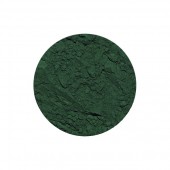
Cobalt Green Deep Pigment
Starting at: £9.20
PG19
Cobalt Green is a synthetic pigment that consists of compounds of cobalt and zinc oxides. It is sometimes referred to as Rinman's Green, after the Swedish chemist who discovered it in the late-18th century. It is a permanent, opaque colour, with a weak tinting strength. It dries quite quickly in oil, requiring a high oil content and forming a hard, fairly fleixible paint film. Cobalt Green is available in light and dark shades; the colour is determined by the amount of zinc oxide present.
Toxicity: B
Please note, unfortunately we are not able to send this product outside the UK. Learn More -
-
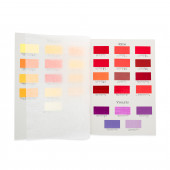
Cornelissen Pigment Colour Chart
£40.00Cornelissen Pigment Colour Chart. 85 pigment samples displayed in a 6 page 300 gsm A4 booklet, including 'permanence' and 'colour index' references. Colour swatches have been made using a casein binder. Learn More -
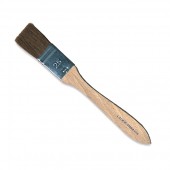
Cornelissen Ox Flat Lacquer
Starting at: £15.00
Soft but springy hair. For varnishing or lacquering. Also useful for watercolour washes. Learn More -
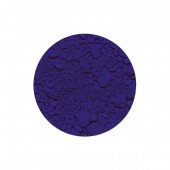
Ultramarine Blue Light Pigment
Starting at: £6.00
PB29
Ultramarine Blue Light is an artificial mineral pigment that is produced by heating clay, soda, sulphur and coal to high temperatures. Its name comes from outremer, or over-the-sea, as a reference to the highly-prized Lapis Lazuli pigment which had been imported into Europe from Afghanistan since the Middle Ages. First manufactured in France and Germany in 1828, synthetic Ultramarine provided a brilliant and affordable blue to artists, and it remains one of the most popular blues on artists' palettes today.
It is a transparent pigment, with a high tinting strength and excellent lightfastness. It reacts to alkali, therefore it is not suitable for use in lime-fresco; we do offer a Limeproof Ultramarine Blue for this purpose. It is stable in all other media, although it can be tricky to grind in oil. Instead of creating a thick, buttery paste, it can remain stringy and deteriorate when stored in a tube. To correct this, many commercial paint manufacturers include additives and waxes in their recipes; if you intend on grinding your own paint, you could try replacing 10-15% of your Linseed Oil with Poppy Oil to improve the consistency. Ultramine Blue provides a slow-drying, fairly hard paint film, which can tend towards brittleness.
Toxicity B
Learn More -
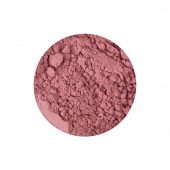
Potters Pink Pigment
Starting at: £22.00
PR233
Potter's Pink is an artificial mineral pigment produced by roasting tin oxide with various other oxides. It was first discovered in the pottery region of Staffordshire in the late-1700s, and in the following century Winsor & Newton introduced Potter's Pink into their watercolour range under the name "pink colour". It went on to become a popular addition to watercolour palettes, offering an opaque, lightfast colour with a weak tinting strength and a medium level of oil absorption.
Toxicity A
Learn More -
-
-
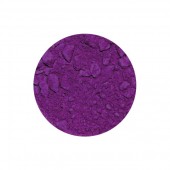
Cobalt Violet Dark Pigment
Starting at: £14.00
Cobalt Violet Dark Pigment (PV14). Synthetic inorganic pigment. Semi-transparent. High tinting strength. Excellent Lightfastness. Low oil absorption with fast drying rate. All media including ceramics. Used since late 19th Century.
Limeproof
Toxicity: C
Please note, unfortunately we are not able to send this product outside the UK.
Learn More -
-
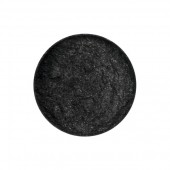
Graphite Powder (Sri Lanka)
Starting at: £5.50
PBk10
Graphite powder is an allotropic form of pure carbon, ground to 200 mesh. It is transparent and lightfast, with a slight sheen. It can be applied directly onto a paper support.
Larger quantities are available by request. This variety of graphite is a naturally occurring material sourced from Sri Lanka.
Toxicity: A/B
Learn More -
-
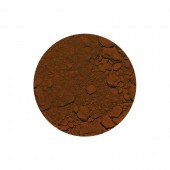
Mars Red Pigment
Starting at: £4.50
PR101
Mars Red is an artificial mineral pigment. Its pigment code, PR101, refers to a wide spectrum of synthetic iron oxide pigments including yellows, oranges, reds, violet-browns and green-browns, which replace many natural earth colours to provide pigments without impurities and with great opacity. It has a good tinting strength, is lightfast and stable in all media, and has a medium drying time in oil.
Toxicity: B
Limeproof
Learn More -
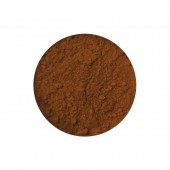
Translucent Yellow Oxide Pigment
Starting at: £7.00
Translucent Yellow Oxide (PY42). Artificial mineral pigment, hydrated ferric oxides. Transparent and very lightfast. Stable in all media, medium drying rate in oil. Toxicity B. Learn More -

Branded Cross Bars
Starting at: £1.90
These are useful for bracing a larger frame, and are necessary when one of the dimensions is over 36 inches. Cross bars are notched for overlap from 36 inches, either at the front or back. Please specify which bar arrangement you need. Supplied with wedges. *Please note - prices are for individual bars* Learn More -
-
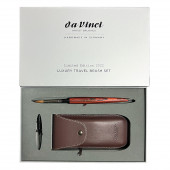
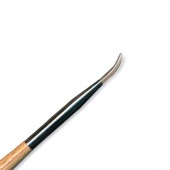
da Vinci Luxury Travel Brush Set
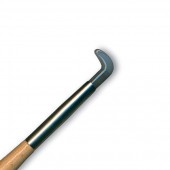
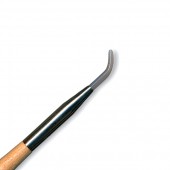
£184.00da Vinci Luxury Travel Brush Set LIMITED EDITION Two interchangeable brush tips, size 2 and size 8 Selected Tobolsky Kolinsky sable hair Hand-shaped in Nuremberg, Germany Ethergraf tip on habdle base for drawing on most papers Faux leather case. Learn More -
-
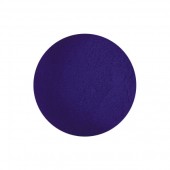
Prussian Blue Pigment
Starting at: £5.20
PB27
Prussian Blue is a synthetic organic pigment that was discovered by the paint maker Diesbach, apparently by accident, in Germany in the early eighteenth century. For many years, it was used not only as a colour in its own right, but also as a component of the original Hooker's Green. The other ingredient, gamboge, is highly fugitive, which is why many watercolours painted with Hooker's green have taken on a bluish tone with with age.
It is a very transparent and heavily staining colour. It dries quite quickly in oil, and can therefore wrinkly if applied too quickly. It is suitable for use in oils, watercolour, and egg tempera. However, it shouldn't be used in conjunction with alkali substances, such as Lead White or Calcium Carbonate as it can turn brown, so it isn't suitable for fresco. For the same reason, it isn't used with acrylic resin binders due to their alkaline nature, so most paint manufacturers will replace Prussian Blue with a mixture of Phthalo Blue and black in their acrylic ranges. It requires a wetting agent to fully disperse into a binder.
Toxicity: B
Learn More -
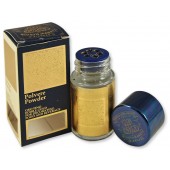
Cornelissen Gold Edible Crumbs 23 carat
£74.90The sprinkles are made by crumbling gold leaves. Can be sprinkled on an type of food. 23 carat gold. 125 mg Learn More -
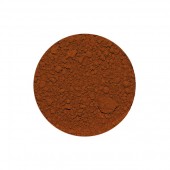
Pozzuoli Red Pigment
Starting at: £5.20
Pozzuoli Red is a natural earth pigment that was originally found in the volcanic areas in Pozzuoli, Italy. It was unique for its cement-like setting qualities due to naturally occurring silica. Modern Pozzuoli Red refers to the warm red colour rather than this physical characteristic.
Toxicity: B
Learn More -
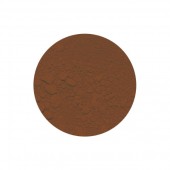
Cadmium Brown Pigment
Starting at: £10.00
PR108
Cadmium Brown is a shade of Cadmium Red, a synthetic organic pigment that has been in use since the 1920s. It is formed by heating cadmium sulphide and selenium, the hue is determined by the level of calcination and proportion of selenium. It is very opaque, and lightfast, with a high tinting strength. It absorbs a small amount of oil, and dries very slowly to form a hard, flexible paint film.
Larger quantities are available by request.
Limeproof
Toxicity: C
Learn More -
-
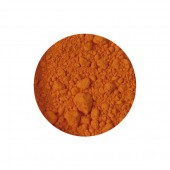
Cadmium Yellow Orange Pigment
Starting at: £4.50
Cadmium Yellow Orange Pigment (PY108) also known as Pyramid Yellow. Organic pigment. Opaque to Semi-opaque. Good tinting strength. Excellent Lightfastness. Medium drying rate. Suitable for all media except Lime-fresco. Toxicity B/C Learn More -
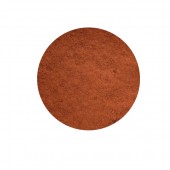
Burnt Green Earth Pigment
Starting at: £8.00
PG23 Burnt Green Earth is a semi-transparent pigment that is stable in all media, although it may be difficult to incorporate into an acrylic binder. A calcined form of Green Earth, it has a low tinting strength, long drying time, and is very lightfast. Toxicity: B Limeproof Learn More -
Whiting
Starting at: £4.00
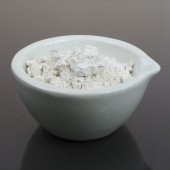
Whiting is powdered Calcium Carbonate, which can be mixed with rabbit skin glue to create a chalk-based ground for oil, tempera, distemper or encaustic painting. Traditionally, whiting was an important ingredient when preparing painting surfaces in the north of Europe, as opposed to gypsum (Calcium Sulphate), which was widely used south of the Alps. Learn More
Currently Shopping by:
- Manufacturer: Cornelissen Remove This Item
Shopping Options
- Category
-
- Pigments, Gums, Resins (152)
- Oils, Acrylics (12)
- Canvas, Supports (9)
- Watercolour, Gouache, Egg Tempera (11)
- Pastels (1)
- Drawing, Calligraphy (31)
- Gilding, Restoration (106)
- Printmaking (41)
- Brushes (29)
- Paper (7)
- Studio, Books (39)
- Signwriting, Specialist Decorating (9)
- Price
-
- £0.00 - £999.99 (389)
- £1,000.00 - £1,999.99 (1)
- £2,000.00 - £2,999.99 (1)
- £3,000.00 - £3,999.99 (1)
- £4,000.00 and above (1)
- Color
-
- Green (1)
You have no items in your shopping basket.

- Search Brands
-