

Search results for 'st around'


-
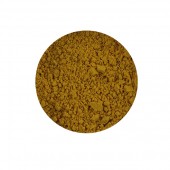
Stil de Grain
Starting at: £12.20
NY13:75640 Stil de Grain is a natural yellow pigment derived from unripe buckthorn berries, which were also once used to produce sap green pigment before the introduction of synthetic alternatives. Stil de Grain may also be known as brown lake, yellow lake, Persian lake, buckthorn lake, Dutch pink, yellow carmine and Italian pink. It has a weak tinting strength, and is very transparent, especially in oil. When mixed with oil, the pigment becomes saturated, darkening considerably in colour and drying very slowly, whereas in a water-based paint it is appears as a warm yellow. It is very fugitive to light, and compatible with all media, except lime. Larger quantities are available by request. Learn More -
-
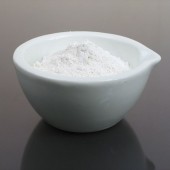
Plaster of Paris
Starting at: £6.00
For moulding when mixed with the same volume of water. Sets quickly and will not shrink. Learn More -
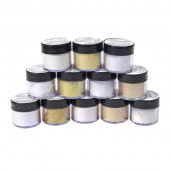
Pearl Lustre Pigments 1 kg
Starting at: £94.00
Call to Order
Pearl Lustre Pigments 1 kg. Colour swatch on the left indicates colour on a White Background and Colour on a Black Background on the right. Learn More -
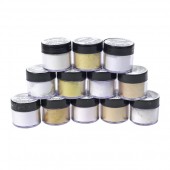
Pearl Lustre Pigments 7g
Starting at: £4.70
Pearl Lustre Pigments 7g. Colour swatch on the left indicates colour on a White Background and Colour on a Black Background on the right. Learn More -
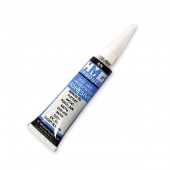
HMG Acrylic Restoration Adhesive
£6.00HMG Acrylic Restoration Adhesive. Heat and waterproof adhesive for repairs to pottery, wood, porcelain, leather etc. Not suitable for use on rubber. 14ml. Learn More -
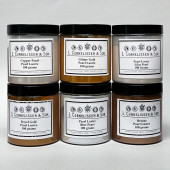
Cornelissen Pearl Lustre Pigments 100g
Starting at: £12.90
Pearl Lustre Pigments 100g. Colour swatch on the left indicates colour on a White Background and Colour on a Black Background on the right. Learn More -
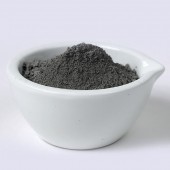
Rottenstone Grey
Starting at: £7.00
Fine abrasive powder used historically for polishing daguerreotype plates. Can be used to age wooden frames and object's d'art. Learn More -
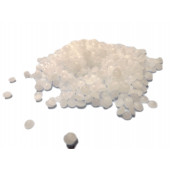
Microcrystalline Wax
Starting at: £8.50
Microcrystalline Wax is related to paraffin wax, and is used as a plasticiser in some recipes. It is characterised by the fineness of its crystals in contrast to the larger crystal of paraffin wax. It is generally more viscous, denser, tackier and more elastic than paraffin waxes, and has a higher melting point. Learn More -
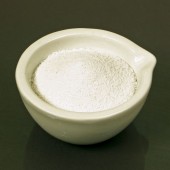
Marble Dust
Starting at: £4.70
Imparts texture when added to acrylic mediums and primers. Can also be used in lime mortar. Available in three different grades: - Coarse (irregular granules); - Medium (mesh size: 16); - Fine (mesh size: 100; most appropriate for use in paint). Learn More -
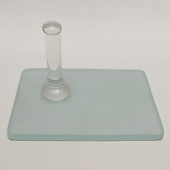
Cornelissen Mini Glass Muller and Slabs
Starting at: £28.00
Use Cornelissen Mini Glass Mullers in conjunction with a Cornelissen Glass Slab to make paint efficiently. The sand-blasted texture of the muller and plate helps to push and distribute the pigment throughout the binder quickly. This means less time grinding, more time painting! Learn More -
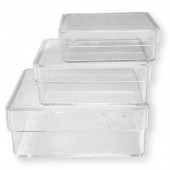
Transparent Containers
Starting at: £1.20
Rigid high quality boxes manufactured in clear Polystyrene. Medium and large sizes are ideal for storing loose nibs. Learn More -
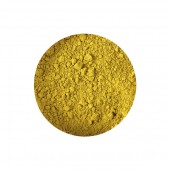
Yellow Ochre Pigment
Starting at: £4.00
PY43
Yellow Ochre is a natural earth pigment that has been in use since prehistoric times. It is derived from iron-rich clay deposits that are present all over the world; our Yellow Ochre comes from the hilly regions around Verona, Italy. As a pigment, it is semi-opaque, extremely lightfast, and stable in all media. It has a medium to slow drying rate in oil, creating a tough, flexible paint film. Yellow Ochre is similar in composition to Raw Sienna, but whereas Yellow Ochre contains a higher proportion of clay, Raw Sienna contains a higher proportion of silica. As a natural material, the exact colour and qualities of the resultant pigments can vary, but generally this compositional difference creates a paler, more opaque Yellow Ochre, and a darker, more transparent Raw Sienna.
Toxicity B
Learn More -
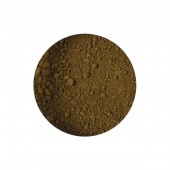
Raw Umber Pigment
Starting at: £4.00
PBr7
Raw Umber is a natural earth pigment composed of iron oxide, manganese, and aluminium silicate. It has its roots in the Umbria region of Italy, and was historically a popular colour for underpaintings, as it dries very quickly. It is semi-opaque, very lightfast, and stable in all media but may be difficult to disperse in acrylic. It requires a large amount of liquid when mixed with oil.
Toxicity: B
Learn More -
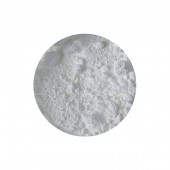
Zinc White Pigment
Starting at: £4.00
Zinc White, or Zinc Oxide, is an artificial mineral pigment that was first produced in France in the late 18th century. Its use in commercial watercolours as Chinese White pre-dates its inclusion in oil painting. It is a semi-opaque, lightfast pigment, which dries very slowly in oil. Of all white pigments, it produces the most brittle paint film, so is not recommended in large quantities for impasto techniques. However, it is a good addition to a palette which requires a less overwhelming white than Titanium White.
Toxicity: B
Learn More -
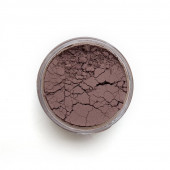
Caput Mortuum Pigment
Starting at: £4.50
Caput Mortuum is a transparent, lightfast pigment that is stable in all media. Colours described as Caput Mortuum can vary greatly; our pigment is a soft purple-brown, made from a mixture of natural iron oxides. It is believed that Caput Mortuum has its roots in ancient Egypt, when colour was derived from remains that had been embalmed in asphaltum.
Toxicity B
Learn More -
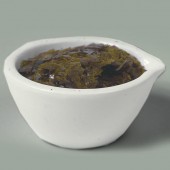
Clear Dewaxed Shellac
Starting at: £9.20
Shellac is a natural resin that is deposited by the female lac insect on the branches of trees in India and Thailand. It is soluble with alcohol, but not with mineral spirits or turpentine. It forms a tough yet flexible film, with many applications. It is suitable as a top coat for gilding when applied thinly, a sealant for porous surfaces, an isolating layer for tempera paintings, a base for pigmented inks, a protective layer for collograph plates, and a warm varnish for wooden floors and furniture. As it is prone to darkening with age, it is not recommended as a varnish for oils, and its solubility can reduce over time. There are various grades of shellac. When mixed with alcohol, it may initially form a cloudy mixture, due to traces of wax in the shellac, but this should become clear once it has dried. The highest grades of shellac are Clear Dewaxed Shellac, which has been de-coloured using the carbon filtering method, Lemon Shellac, and Orange Shellac, which are pale in colour. Button Shellac is less refined and therefore produces a reddish varnish. It was, in fact, widely used as a red dye before synthetic dyes became available. Learn More -
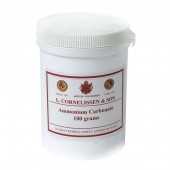
Ammonium Carbonate
Starting at: £9.70
Ammonium Carbonate is a highly Alkaline substance that reacts with the lactic acid present in casein to form a robust binder for tempera paints. It should only be used in a well-ventilated area, please see below for the Material Safety Data Sheet. Learn More -
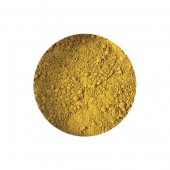
Raw Sienna Pigment
Starting at: £4.00
PBr7
Raw Sienna is a natural earth pigment that dates back to antiquity. Our Raw Sienna comes from areas of Tuscany where the earth has been coloured by iron-rich minerals. It provides a good tinting strength, excellent lightfastness, and a fast to medium drying rate in oil. It is stable in all media but, like umber pigments, can be difficult to disperse in an acrylic binder. It is similar in composition to Yellow Ochre, but whereas Yellow Ochre contains a higher proportion of clay, Raw Sienna contains a higher proportion of silica. As a natural material, the exact colour and qualities of the resultant pigments can vary, but generally this difference creates a paler, more opaque Yellow Ochre, and a darker, more transparent Raw Sienna.
Toxicity: B
Learn More -
-
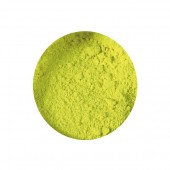
Cadmium Yellow Lemon Pigment
Starting at: £4.50
Synthetic Inorganic pigment. Opaque. Good tinting strength. Excellent Lightfastness. Low oil absorption with slow drying rate. Suitable for all media. Good acid and alkali resist. Exterior application not advised as discoloration occurs. Used since 19th Century. Toxicity B/C
Learn More -
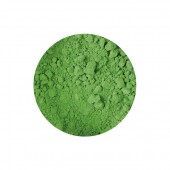
Cadmium Green Pigment
Starting at: £4.50
Cadmium Green is an artificial mineral pigment, a mixture of Cobalt and Cadmium Yellow. It is an opaque, lightfast, slow-drying pigment with a high tinting strength.
Toxicity C
Learn More -

Painter's Handbook
£25.00By Mark David Gottsegen. A guide to artists’ materials as well as a thorough resource presenting techniques for using them and recipes for making them. (355 pages) Learn More -
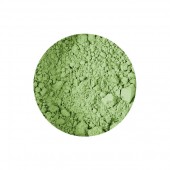
Terre Verte Pigment
Starting at: £4.00
Terre Verte, sometimes known as Green Earth, is a natural earth pigment derived from clay coloured by iron silicate. As with other natural pigments, impurities can prevent it from fully dispersing in an acrylic binder, although it is a popular pigment in all other mediums. It has been in use since antiquity, providing excellent lightfastness and great transparency, with a low tinting strength. It requires a high volume of oil, and dries slowly to create a soft, flexible paint film. When calcined, Terre Verte becomes Burnt Green Earth.
Toxicity B Learn More -
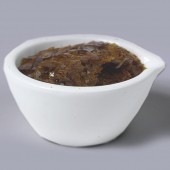
Lemon Shellac
Starting at: £8.20
Shellac is a natural resin that is deposited by the female lac insect on the branches of trees in India and Thailand. It is soluble with alcohol, but not with mineral spirits or turpentine. It forms a tough yet flexible film, with many applications. It is suitable as a top coat for gilding when applied thinly, a sealant for porous surfaces, an isolating layer for tempera paintings, a base for pigmented inks, a protective layer for collograph plates, and a warm varnish for wooden floors and furniture. As it is prone to darkening with age, it is not recommended as a varnish for oils, and its solubility can reduce over time. There are various grades of shellac. When mixed with alcohol, it may initially form a cloudy mixture, due to traces of wax in the shellac, but this should become clear once it has dried. The highest grades of shellac are Clear Dewaxed Shellac, which has been de-coloured using the carbon filtering method, Lemon Shellac, and Orange Shellac, which are pale in colour. Button Shellac is less refined and therefore produces a reddish varnish. It was, in fact, widely used as a red dye before synthetic dyes became available. Learn More -
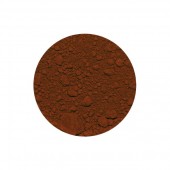
Red Ochre Pigment
Starting at: £4.00
PR101
Red Ochre is a synthetic iron oxide pigment which provides the same level of semi-opacity that is associated with natural ochres. It has a good tinting strength and is stable in all media, including lime mortar.
Toxicity B
Learn More -
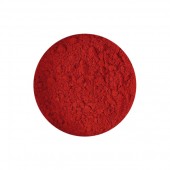
Quinacridone Scarlet Pigment
Starting at: £6.30
Quinacridone Scarlet Pigment (PR209). Organic pigment. Very transparent. High tinting strength. Excellent Lightfastness. High oil absorption with slow drying rate. Requires wetting agent. Suitable for all media. Developed in the 1950's. Toxicity A/B. Learn More -
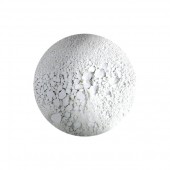
Titanium White Pigment
Starting at: £4.00
Titanium White, or Titanium Doixide, is an artificial mineral pigment introduced in the 1920s. It is valued for its opacity, good lightfastness, and stability in all media. Its high tinting strength can render it a dominant colour in mixtures. It is very slow drying in oil, and creates a somewhat brittle paint film, though more flexible than Zinc White. Its brightness makes it a popular addition to gesso.
Toxicity: B
Learn More -
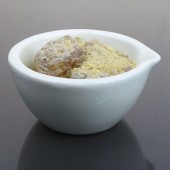
Gum Copal Manila
Starting at: £6.00
Gum Copal Manila is derived from the resin of a coniferous tree native to the Philippines. It is not to be confused with other copals, which are the product of fossilised plant materials. It can be dissolved in alcohol to make a spirit varnish, to be used as a substitute for shellac, or as a fixative for pastel and charcoal drawings. Please note, that when used as a fixative it may darken the colour of the image. Learn More -
Casein Lactic
Starting at: £32.70
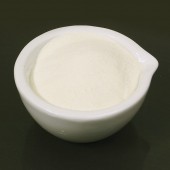
Casein is a protein derived from dried milk, which has been used in painting since ancient times. It can be combined with Ammonium Carbonate to form an emulsion, which acts as a durable, non-resoluble binder for pigments, producing a matte, fast-drying paint, similar in appearance to egg tempera. We use casein as a binder for our L. Cornelissen & Son Pigment Colour Charts, as it is a medium that clearly showcases the characteristics and behaviour of each pigment in its pure form. Casein paints can be applied in thin layers to watercolour paper, but would require a more rigid support, such as a gesso panel, to be applied thickly, as the comparative inflexibility of the paint layer means that it can be prone to cracking. Subsequent layers of paint should be more diluted to aid adhesion, and impasto effects are not recommended. It is possible to varnish casein paintings using an acrylic or damar varnish to obtain a glossy surface if desired, although this is not a necessary step. Casein can also be used as an ingredient in gesso, and is a suitable binder for fresco secco techniques.
Some pigments may require a wetting agent in order to fully disperse within the binder, in which case alcohol may be used.
Learn More
Currently Shopping by:
- Category: Pigments, Gums, Resins Remove This Item
Shopping Options
- Category
-
- Artists Quality Pigment Sets (2)
- Artists Quality Pigments Blacks (7)
- Artists Quality Pigments Blues (11)
- Artists Quality Pigments Earths (24)
- Artists Quality Pigments Greens (9)
- Artists Quality Pigments Reds (12)
- Artists Quality Pigments Violets (4)
- Artists Quality Pigments Whites (4)
- Artists Quality Pigments Yellows (14)
- The Early Colour Pigments (20)
- Equipment (7)
- Fillers, Chalks, and Abrasives (8)
- Gums and Resins (12)
- Limeproof Pigments (28)
- London Pigment (13)
- Pearl Lustre Pigments (3)
- Small Pigment Sizes (2)
- Storage Containers (5)
- Waxes, Adhesives and Sizes (16)
- Price
-
- £0.00 - £9.99 (111)
- £10.00 - £19.99 (30)
- £20.00 - £29.99 (20)
- £30.00 - £39.99 (9)
- £40.00 - £49.99 (3)
- £50.00 - £59.99 (1)
- £90.00 and above (2)
- Manufacturer
-
- Cornelissen (152)
- London Pigment (13)
- Roberson (1)
- Schmincke (5)
You have no items in your shopping basket.

- Search Brands
-