

Search results for 'painting'


-
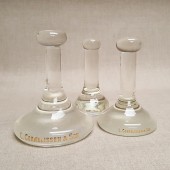
Cornelissen Glass Mullers
Starting at: £24.50
Cornelissen Glass Mullers are handmade using superior boro silicate laboratory glass, which is 40% harder, more heat resistant, and offers better clarity than soda-lime glass. The base of each muller is ground perfectly flat, and sand-blasted to create a fine tooth to facilitate the grinding of pigments. The tall handle features an ergonomic top, to ease fatigue when grinding large amounts of pigment. Mullers act as flat-bottomed pestles, which are used to grind pigment into a binding medium, suspending it evenly to create a uniform covering of binder around each pigment particle. Using a muller and slab, rather than simply mixing pigment and binder together, will create a more homogenised and stable paint. Use in conjunction with a Cornelissen Glass Slab to make paint efficiently. The sand-blasted texture of the muller and plate helps to push and distribute the pigment throughout the binder quickly. This will mean less grinding, and more painting! Learn More -
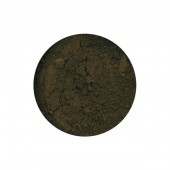
Raw Umber Greenish Pigment
Starting at: £4.80
PBr7
Raw Umber Greenish is a natural earth pigment composed of iron oxide, manganese, and aluminium silicate. It has its roots in the Umbria region of Italy, and was historically a popular colour for underpaintings, as it dries very quickly. It is semi-opaque, very lightfast, and stable in all media but may be difficult to disperse in acrylic. It requires a large amount of liquid when mixed with oil.
Toxicity: B
Learn More -
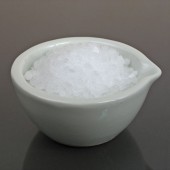
Paraffin Wax
Starting at: £6.60
Paraffin Wax is a by-product of the petro-chemical industry. It has a low melting point of 50-60°c and a brittle texture, making it unsuitable for encaustic painting or as an additive to oil paints, but it can be used to impart softness to lithographic crayons. As a petroleum product, it is more inert than animal or vegetable waxes, and is therefore not saponified (turned into soap) by alkali substances. Learn More -
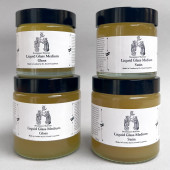
Liquid Glass Mediums
Starting at: £32.00
Renaissance Materials by Dr. David Cranswick.
A thick glazing medium of the 'Old Masters'. Liquid Glass Mediums facilitate building up layers of transparent glaze. Gloss or Satin.
Contains: Damar resin, linseed oil and beeswax (for Satin medium only)
Learn More -
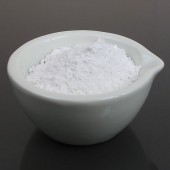
Precipitate Chalk
Starting at: £6.30
Precipitate Chalk is fine and white. For use in aqueous mediums as a ground for oil and tempera paintings. Learn More -
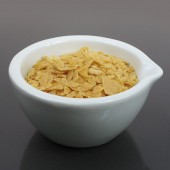
Carnauba Wax Yellow
Starting at: £6.50
Carnauba Wax is the hardest wax commonly used in the production of artists' materials, with a melting point of 83-86°c. It is derived from a tree native to South America, and is available in a natural colour (grey), or a refined colour (pale yellow). Small amounts of carnauba wax are commonly used in both oil painting mediums and encaustic painting, usually in conjunction with beeswax to add toughness, durability and sheen to the paint film. It creates an inflexible surface, so works best on rigid supports such as gesso panels, and it should be noted that it will raise the melting point of encaustic mixtures. It can produce a glossy finish; as such it is used in waxes and polishes for shoes, cars, musical instruments, furniture, and wooden floors, especially when mixed with beeswax and turpentine. Learn More -
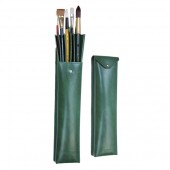
Leather Regent Long Handle Brush Case
Starting at: £103.10
This sturdy brush case measures 39cm, which is long enough to hold a selection of oil-painting brushes. All of our leather goods are handmade in Spain, and dyed with natural dyes that will fade and age beautifully over time. Please ring our office if you would like to make a custom order of this product.
Learn More -
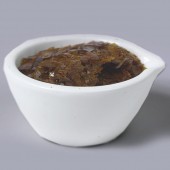
Lemon Shellac
Starting at: £8.20
Shellac is a natural resin that is deposited by the female lac insect on the branches of trees in India and Thailand. It is soluble with alcohol, but not with mineral spirits or turpentine. It forms a tough yet flexible film, with many applications. It is suitable as a top coat for gilding when applied thinly, a sealant for porous surfaces, an isolating layer for tempera paintings, a base for pigmented inks, a protective layer for collograph plates, and a warm varnish for wooden floors and furniture. As it is prone to darkening with age, it is not recommended as a varnish for oils, and its solubility can reduce over time. There are various grades of shellac. When mixed with alcohol, it may initially form a cloudy mixture, due to traces of wax in the shellac, but this should become clear once it has dried. The highest grades of shellac are Clear Dewaxed Shellac, which has been de-coloured using the carbon filtering method, Lemon Shellac, and Orange Shellac, which are pale in colour. Button Shellac is less refined and therefore produces a reddish varnish. It was, in fact, widely used as a red dye before synthetic dyes became available. Learn More -
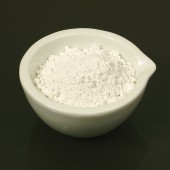
Gypsum
Starting at: £5.70
Gypsum is powdered Calcium Sulphate, a traditional ingredient in gesso grounds used in southern Europe. One of the advantages of preparing your painting surface with gypsum is that it allows for a particularly even absorption of the paint film. It can also be added to acrylic primers to increase absorbency or add tooth to a surface. Learn More -
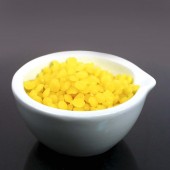
Natural Beeswax
Starting at: £11.20
Beeswax is derived from melted honeycomb, and is available in two grades. Bleached Beeswax Pellets are white, having been bleached by the sun, and are an appropriate choice for using with pale colours, although they may revert to yellow over time. Natural Beeswax Pellets are yellow in colour, and offer a more flexible structure with a higher resin content. Beeswax has a melting point of 63-66°c, and may turn brown if over-heated. It is the most widely used wax in artists' materials, having a wide range of applications. Please see below for more details.
Learn More -
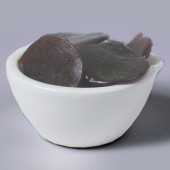
Button Shellac
Starting at: £8.40
Shellac is a natural resin that is deposited by the female lac insect on the branches of trees in India and Thailand. It is soluble with alcohol, but not with mineral spirits or turpentine. It forms a tough yet flexible film, with many applications. It is suitable as a top coat for gilding when applied thinly, a sealant for porous surfaces, an isolating layer for tempera paintings, a base for pigmented inks, a protective layer for collograph plates, and a warm varnish for wooden floors and furniture. As it is prone to darkening with age, it is not recommended as a varnish for oils, and its solubility can reduce over time. There are various grades of shellac. When mixed with alcohol, it may initially form a cloudy mixture, due to traces of wax in the shellac, but this should become clear once it has dried. The highest grades of shellac are Clear Dewaxed Shellac, which has been de-coloured using the carbon filtering method, Lemon Shellac, and Orange Shellac, which are pale in colour. Button Shellac is less refined and therefore produces a reddish varnish. It was, in fact, widely used as a red dye before synthetic dyes became available. Learn More -
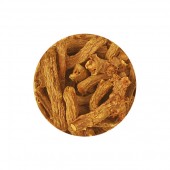
Madder Root Pieces
Starting at: £27.80
NR9
The madder plant was once widely cultivated for the red dye extracted from its roots. Its earliest known use is in ancient Egypt, and there is evidence of its widespread adoption in Europe from the medieval period. Madder Lake, the pigment that is derived from the root, has now largely been replaced by synthetic alizarin pigments, but it is still used as an ingredient in some commercial paints. It provides a very transparent pigment, with a weak tinting strength, which can be used in all lime-free media, although it is very slow-drying in oil. It is fugitive to sunlight, so paintings containing Madder should be stored appropriately, but it remains one of the most lightfast plant-based pigments.
Larger quantities are available by request.
Learn More -
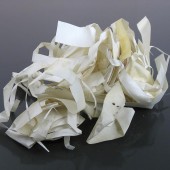
Parchment Clippings
Starting at: £9.90
Parchment Clippings, usually waste goatskin vellum, were utilised throughout the Middle Ages to make an animal hide glue. This continued to be commonly used as a sizing for canvas before rabbit skin glue came to prominence in the nineteenth century. Parchment glue is comparable to isinglass glue, as it also produces a very pale, almost transparent glue with a degree of flexibility. Our parchment clippings are a mixture of vellum scraps, and may include goatskin, calfskin and sheepskin. Cennino Cennini gives a recipe for gesso using parchment in his treatise about painting; please see below for our recipe. Learn More -
-
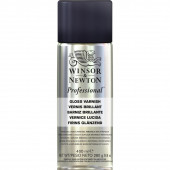
Winsor & Newton Picture Varnish Aerosol
Starting at: £18.25
Aerosol varnish for oil and acrylic paintings. Gloss, Satin or Matt finishes. Contains: Ketone resin, UV blockers. Unable to send overseas. Learn More -
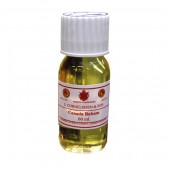
Cornelissen Canada Balsam
Starting at: £39.10
Canada Balsam is an oleoresin, meaning that it is a mixture of essential oils and resin. It comes from the fir tree Abies balsamea, native to Canada and the eastern states of North America. It is notable for its pale colour, clarity and gloss, making it a useful ingredient in recipes for oil-painting mediums.
Learn More -
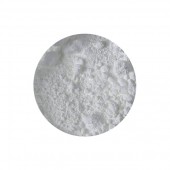
Zinc White Pigment
Starting at: £4.00
Zinc White, or Zinc Oxide, is an artificial mineral pigment that was first produced in France in the late 18th century. Its use in commercial watercolours as Chinese White pre-dates its inclusion in oil painting. It is a semi-opaque, lightfast pigment, which dries very slowly in oil. Of all white pigments, it produces the most brittle paint film, so is not recommended in large quantities for impasto techniques. However, it is a good addition to a palette which requires a less overwhelming white than Titanium White.
Toxicity: B
Learn More -
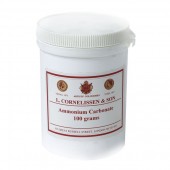
Ammonium Carbonate
Starting at: £9.70
Ammonium Carbonate is a highly Alkaline substance that reacts with the lactic acid present in casein to form a robust binder for tempera paints. It should only be used in a well-ventilated area, please see below for the Material Safety Data Sheet. Learn More -
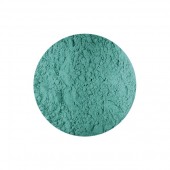
Verdigris Pigment
Starting at: £4.90
Verdigris is an artificial pigment that dates from antiquity. Originally, it was produced by exposing copper to vinegar; nowadays acetic acid is used. It is acidic, so can contribute to the deterioration of paper supports. For this reason, it is more suited to oil or tempera painting than it is to watercolour. In tempera painting, it should be bound in animal glue or isinglass glue rather than egg york. When used in oil painting it should be held in a resin oil or balsam such as Venice Turpentine, as it can turn brown when ground directly into linseed oil. It is a fast-drying, transparent pigment, with a visible crystalline structure.
Larger quantities are available by request.
Learn More -
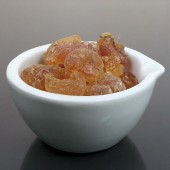
Gum Arabic
Starting at: £6.30
Gum Arabic is a resoluble binding agent, commonly used in the preparation of watercolours, but also useful as an adhesive, a size, and in the production of soft pastels. It is a natural product, harvested from the Acacia tree between October and May. The highest grade of Gum Arabic comes from the Kordofan region of Sudan. It is exceptionally pale and pure and therefore particularly suited to watercolour painting. Please see the Formulas & Recipes section on our homepage for a recipe to make your own watercolour paints using Gum Arabic (currently under construction). Learn More -
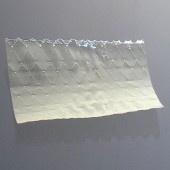
Gelatine Leaf
Starting at: £5.30
A pure form of glue from animal tissue. Used for sizing paper. Used in gliding and for weak sizes in isolating layers in tempera painting. Learn More -
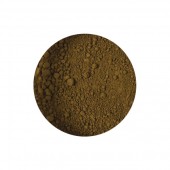
Raw Umber Pigment
Starting at: £4.00
PBr7
Raw Umber is a natural earth pigment composed of iron oxide, manganese, and aluminium silicate. It has its roots in the Umbria region of Italy, and was historically a popular colour for underpaintings, as it dries very quickly. It is semi-opaque, very lightfast, and stable in all media but may be difficult to disperse in acrylic. It requires a large amount of liquid when mixed with oil.
Toxicity: B
Learn More -
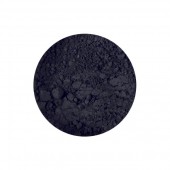
Ivory Black Pigment
Starting at: £4.50
Ivory Black is a natural pigment of impure carbon, derived from charred animal bones. It is semi-transparent, very lightfast, and offers good tinting strength. It is a particularly slow-drying pigment, which forms a soft, rather brittle paint film in oil.
Compared to other blacks, such as Vine Black, Ivory Black possesses warmer, brownish undertones. It should not be used at full-strength in an underpainting, as subsequent layers are likely to crack. Otherwise, it is a very useful all-purpose black for many types of paint, excluding mortar, fresco or cement.
Toxicity: B
Learn More -
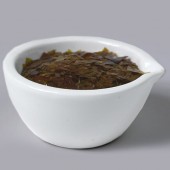
Orange Shellac
Starting at: £8.00
Shellac is a natural resin that is deposited by the female lac insect on the branches of trees in India and Thailand. It is soluble with alcohol, but not with mineral spirits or turpentine. It forms a tough yet flexible film, with many applications. It is suitable as a top coat for gilding when applied thinly, a sealant for porous surfaces, an isolating layer for tempera paintings, a base for pigmented inks, a protective layer for collograph plates, and a warm varnish for wooden floors and furniture. As it is prone to darkening with age, it is not recommended as a varnish for oils, and its solubility can reduce over time. There are various grades of shellac. When mixed with alcohol, it may initially form a cloudy mixture, due to traces of wax in the shellac, but this should become clear once it has dried. The highest grades of shellac are Clear Dewaxed Shellac, which has been de-coloured using the carbon filtering method, Lemon Shellac, and Orange Shellac, which are pale in colour. Button Shellac is less refined and therefore produces a reddish varnish. It was, in fact, widely used as a red dye before synthetic dyes became available. Learn More -
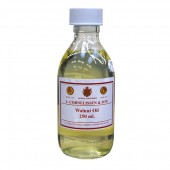
Cornelissen Walnut Oil
Starting at: £8.20
The introduction of Walnut Oil as a pigment binder is contemporaneous with the emergence of Linseed Oil. Their drying properties have been appreciated since the Middle Ages, and throughout history there is evidence of both oils being used alongside each other within the same painting. In fact, until the sixteenth century, it is believed that Walnut Oil was the preferred binding medium among Italian artists. It is made from mature walnut kernals, offering a pale colour and brilliant gloss. For this reason, it is sometimes chosen as a binder for light colours, as it provides a stronger paint film than Poppy Oil, and faster drying times. However, a paint film made from Walnut Oil will tend to be brittle, so it is more suited to a rigid support rather than canvas.
Learn More -
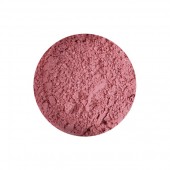
Rose Madder Genuine Pigment
Starting at: £15.80
NR9 Rose Madder is an alizarin lake pigment made by precipitating dye extracted from madder root onto an inert base. It has largely been replaced by synthetic alizarin pigments, but it is still used as an ingredient in some commercially-available paints. It provides a very transparent pigment, with a weak tinting strength, which can be used in all lime-free media, although it is very slow-drying in oil. It is fugitive to sunlight, so paintings containing Madder should be stored appropriately, but it remains one of the most lightfast plant-based pigments. It requires a wetting agent to aid dispersion. Larger quantities are available by request Learn More -
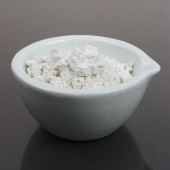
Whiting
Starting at: £4.00
Whiting is powdered Calcium Carbonate, which can be mixed with rabbit skin glue to create a chalk-based ground for oil, tempera, distemper or encaustic painting. Traditionally, whiting was an important ingredient when preparing painting surfaces in the north of Europe, as opposed to gypsum (Calcium Sulphate), which was widely used south of the Alps. Learn More -
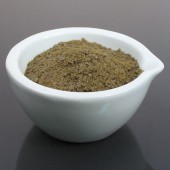
Carnauba Wax Grey
Starting at: £8.40
Carnauba Wax is the hardest wax commonly used in the production of artists' materials, with a melting point of 83-86°c. It is derived from a tree native to South America, and is available in a natural colour (grey), or a refined colour (pale yellow). Small amounts of carnauba wax are commonly used in both oil painting mediums and encaustic painting, usually in conjunction with beeswax to add toughness, durability and sheen to the paint film. It creates an inflexible surface, so works best on rigid supports such as gesso panels, and it should be noted that it will raise the melting point of encaustic mixtures. It can produce a glossy finish; as such it is used in waxes and polishes for shoes, cars, musical instruments, furniture, and wooden floors, especially when mixed with beeswax and turpentine. Learn More -
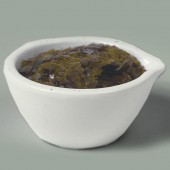
Clear Dewaxed Shellac
Starting at: £9.20
Shellac is a natural resin that is deposited by the female lac insect on the branches of trees in India and Thailand. It is soluble with alcohol, but not with mineral spirits or turpentine. It forms a tough yet flexible film, with many applications. It is suitable as a top coat for gilding when applied thinly, a sealant for porous surfaces, an isolating layer for tempera paintings, a base for pigmented inks, a protective layer for collograph plates, and a warm varnish for wooden floors and furniture. As it is prone to darkening with age, it is not recommended as a varnish for oils, and its solubility can reduce over time. There are various grades of shellac. When mixed with alcohol, it may initially form a cloudy mixture, due to traces of wax in the shellac, but this should become clear once it has dried. The highest grades of shellac are Clear Dewaxed Shellac, which has been de-coloured using the carbon filtering method, Lemon Shellac, and Orange Shellac, which are pale in colour. Button Shellac is less refined and therefore produces a reddish varnish. It was, in fact, widely used as a red dye before synthetic dyes became available. Learn More -
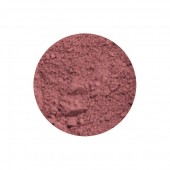
Madder Lake Genuine Pigment
Starting at: £10.20
NR9
Madder Lake pigment is derived from dye that has been extracted from the root of the madder plant, and attached to alum as a base. It has largely been replaced by synthetic alizarin pigments, but it is still used as an ingredient in some commercially-available paints. It provides a very transparent pigment, with a weak tinting strength, which can be used in all lime-free media, although it is very slow-drying in oil. It is fugitive to sunlight, so paintings containing Madder should be stored appropriately, but it remains one of the most lightfast plant-based pigments. It requires a wetting agent to aid dispersion.
Larger quantities are available by request
Learn More
Currently Shopping by:
- Manufacturer: Cornelissen Remove This Item
Shopping Options
- Category
-
- Pigments Gums & Resins (36)
- Oils & Acrylics (5)
- Canvas & Supports (2)
- Drawing & Calligraphy (5)
- Gilding & Restoration Materials (3)
- Brushes (10)
- Studio & Books (5)
- Price
-
- £0.00 - £99.99 (54)
- £100.00 and above (1)
You have no items in your shopping basket.

- Search Brands
-