

Your search 'Easels for watercolour' did not match any products.
Showing results using some of your search terms 'Easels for watercolour'
Search results for 'for watercolour'


-
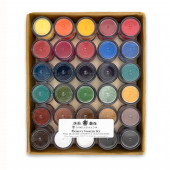
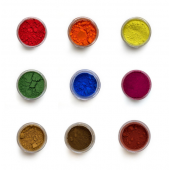
Cornelissen Pigment Set of 30 Colours
£130.00The perfect introduction to working with pigment, this selection of thirty pigments provides a wide range of colours for the production of paint. Each colour is supplied in a 15ml plastic jar, and the set includes both natural and synthetic colours. Recipes can be found on our homepage, with instructions for making different paints, including watercolour, egg tempera and oil paint. Learn More
-
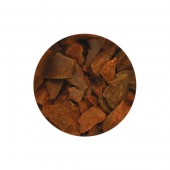
Gamboge Pipe Pieces
Starting at: £22.00
Call to Order
Gamboge is a natural tree resin, generally extracted by tapping of Garcinia trees, available as a powder and in the solid "pipe" form. One of the unique features of Pipe Gamboge is that it does not require a binding agent to be used as a paint. Instead, colour can be lifted with a wet brush, as from a watercolour pan. When used as a water colour, it gives a bright transparent golden yellow colour. It is highly transparent, fugitive to light, with a weak tinting strength. The powder can be dissolved in alcohol to colour resin-based varnishes. Gamboge was used from ancient times to dye the clothes and also to make a transparent yellow varnish for the colouring of wood, metals and leather.
Pipe Gamboge is available while stocks last. Larger quantities are available by request.
Learn More -
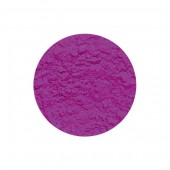
Cobalt Violet Light Pigment
Starting at: £10.00
Cobalt Violet Light Pigment (PV14). Synthetic inorganic pigment. Semi-opaque. Weak tinting strength. Excellent Lightfastness. Fast drying rate. Good for oil and watercolour but not acrylic as pigment 'settles out'. Used since early 1900's. This colour cannot be matched through mixing other colours.
Limeproof
Toxicity: C
Please note, unfortunately we are not able to send this product outside the UK.
Learn More -
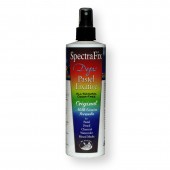
Spectrafix 360ml
£25.95Spectrafix 360ml. A natural non-toxic milk casein fixative based on an antique recipe used by Degas himself. This is the perfect fixative for pastel, charcoal, gouache and watercolour. Its workable matt finish allows deep layering with minimal colour shift. Learn More -
Schmincke Liquid Charcoal 15 ml
Starting at: £18.30
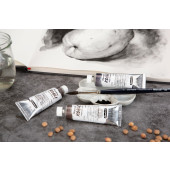
Liquid charcoal in the 15 ml tube - a clean, dust-free way of painting, charcoal drawing and underpainting with charcoal. The three pigments of natural origin used for this (PBK 8, pit black) are created by charring fruit seeds from the EU area and result in the following unique coal nuances: a neutral peach stone black - 18 757 a warm, brownish cherry pit black - 18 756 a cool, bluish grape seed black - 18 755 Due to the larger quantity of available paint, liquid charcoal can be used to quickly process large areas. The liquid charcoal contains the high-quality binder gum Arabic like traditional artists' watercolours (gouaches, watercolours, etc.), has a gouache-like consistency and can be diluted with water, so that different shades, structures and layer thicknesses can be achieved by different application. Depending on the substrate and the thickness of the layer, it can be wiped off by hand and removed with water. Used as thin underpainting (e.g. in oil painting), subsequent paints do not become dirty or become less dirty than with conventional charcoal underpainting due to the higher adhesion of the bound carbon pigments to the substrate. Of course, the liquid charcoal can be combined with drawing charcoal. The blurring and removability of the liquid charcoal depends on the surface of the substrate - the more even and firm the surface, the easier to change the application. Pre-tests are recommended. Learn More -
Gum Arabic
Starting at: £6.30
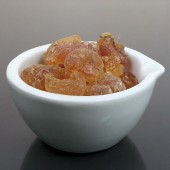
Gum Arabic is a resoluble binding agent, commonly used in the preparation of watercolours, but also useful as an adhesive, a size, and in the production of soft pastels. It is a natural product, harvested from the Acacia tree between October and May. The highest grade of Gum Arabic comes from the Kordofan region of Sudan. It is exceptionally pale and pure and therefore particularly suited to watercolour painting. Please see the Formulas & Recipes section on our homepage for a recipe to make your own watercolour paints using Gum Arabic (currently under construction). Learn More -
Masters Brush Cleaner
Starting at: £10.50
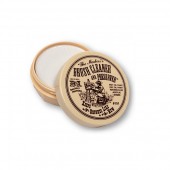
Cleans and restores brushes even when clogged for a year. For oil, acrylic, watercolour. Use with water. Learn More -
Verdigris Pigment
Starting at: £4.90
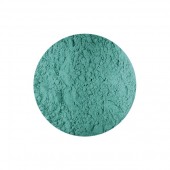
Verdigris is an artificial pigment that dates from antiquity. Originally, it was produced by exposing copper to vinegar; nowadays acetic acid is used. It is acidic, so can contribute to the deterioration of paper supports. For this reason, it is more suited to oil or tempera painting than it is to watercolour. In tempera painting, it should be bound in animal glue or isinglass glue rather than egg york. When used in oil painting it should be held in a resin oil or balsam such as Venice Turpentine, as it can turn brown when ground directly into linseed oil. It is a fast-drying, transparent pigment, with a visible crystalline structure.
Larger quantities are available by request.
Learn More -
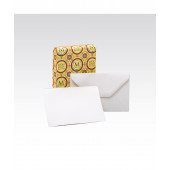
Fabriano Medioevalis Cards and Envelopes
Starting at: £4.05
Hand torn, deckle-edged cards with matching envelopes for invitations and greetings. 260 gsm watercolour type paper. Portrait folded. *PLEASE NOTE: Cards and matching envelopes are grouped A, B, C. Select cards and envelopes from within the same group, A. B, C. The listed card dimensions are for unfolded, flat paper; once folded along the integrated score line, cards fit into corresponding group envelopes. Learn More -
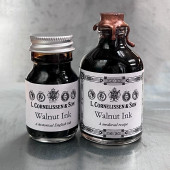
Cornelissen Historical Inks, Walnut
Starting at: £9.00
Made from organic walnut husks collected in Cambridgeshire, this deep brown walnut ink is made to an 18th-century formula. Small batches of the ink are blended to give the required consistency and strength. It has good permanence, but will eventually fade if left in direct sunlight for sustained periods of time, and is not wholly waterproof, but has some staying power, especially on sized watercolour papers. As with all handmade products derived from natural ingredients, there may be slight variations in the colour and consistency as a result of seasonal changes.
Not Suitable for fountain pens. Learn More -
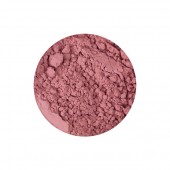
Potters Pink Pigment
Starting at: £22.00
PR233
Potter's Pink is an artificial mineral pigment produced by roasting tin oxide with various other oxides. It was first discovered in the pottery region of Staffordshire in the late-1700s, and in the following century Winsor & Newton introduced Potter's Pink into their watercolour range under the name "pink colour". It went on to become a popular addition to watercolour palettes, offering an opaque, lightfast colour with a weak tinting strength and a medium level of oil absorption.
Toxicity A
Learn More -
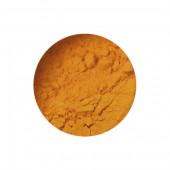
Gamboge Powder
Starting at: £5.20
Gamboge is a natural tree resin, generally extracted by tapping of Garcinia trees, available as a powder and in the solid "pipe" form. One of the unique features of Pipe Gamboge is that it does not require a binding agent to be used as a paint. Instead, colour can be lifted with a wet brush, as from a watercolour pan. When used as a water colour, it gives a bright transparent golden yellow colour. It is highly transparent, fugitive to light, with a weak tinting strength. The powder can be dissolved in alcohol to colour resin-based varnishes. Gamboge was used from ancient times to dye the clothes and also to make a transparent yellow varnish for the colouring of wood, metals and leather.
Pipe Gamboge is available while stocks last. Larger quantities are available by request.
Learn More -
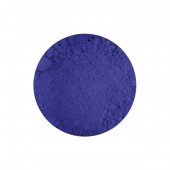
Cobalt Blue Pigment
Starting at: £6.50
PB28
Cobalt Blue is an artificial mineral pigment, produced by the calcination of cobalt oxide and aluminium oxide. It has been widely used since the early 1800s, following its discovery by the French chemist Thenard at the beginning of the century. The name Cobalt has its roots in the German word Kobold, meaning imp or evil spirit. German miners specifically used this name in the late-Middle Ages, as the presence of Cobalt ore in the mines made the extraction of silver very difficult. They were possibly aware of the toxic properties of the mineral frustrating their efforts.
Cobalt remains a very popular colour today, and is present in most ranges of paints, being a semi-transparent pigment that is stable in all media. As a watercolour, all cobalt pigments tend to granulate. As an oil paint, it requires less oil content than most other pigments, and dries quite quickly. Like Cerulean Blue, some artists may choose to bind it with poppy oil, to avoid any possible colour changes brought about by the yellowish cast of linseed oil and the pigment's weak tinting strength.
Limeproof
Toxicity: C
Learn More -
Cornelissen Lithography Sponge, Compressed
£6.50Cornelissen Lithography Sponge, Compressed. Designed to keep the litho stone wet during printing. It can be used for preparing printmaking or watercolour paper. Learn More -
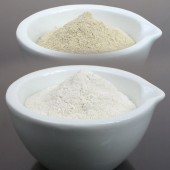
Gum Tragacanth
Starting at: £20.00
Call to Order
Gum Tragacanth is a natural tree gum with pigment-binding properties. It can be used to make a very matte watercolour, but is most commonly used in the production of soft pastels.
Please see the Formulas & Recipes section on our homepage for a recipe to make your own pastels using Gum Tragacanth (currently under construction).
Learn More -
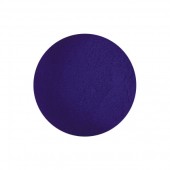
Prussian Blue Pigment
Starting at: £5.20
PB27
Prussian Blue is a synthetic organic pigment that was discovered by the paint maker Diesbach, apparently by accident, in Germany in the early eighteenth century. For many years, it was used not only as a colour in its own right, but also as a component of the original Hooker's Green. The other ingredient, gamboge, is highly fugitive, which is why many watercolours painted with Hooker's green have taken on a bluish tone with with age.
It is a very transparent and heavily staining colour. It dries quite quickly in oil, and can therefore wrinkly if applied too quickly. It is suitable for use in oils, watercolour, and egg tempera. However, it shouldn't be used in conjunction with alkali substances, such as Lead White or Calcium Carbonate as it can turn brown, so it isn't suitable for fresco. For the same reason, it isn't used with acrylic resin binders due to their alkaline nature, so most paint manufacturers will replace Prussian Blue with a mixture of Phthalo Blue and black in their acrylic ranges. It requires a wetting agent to fully disperse into a binder.
Toxicity: B
Learn More -
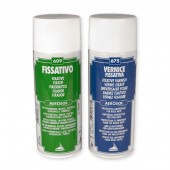
Maimeri Fixative Varnish
Starting at: £14.95
Non-yellowing synthetic resin dissolved in ethyl alcohol. 609 is for use on charcoal, pencil, pastel, watercolour and gouache, 675 is for universal use. Use sparingly to fix and protect your pieces. Learn More -
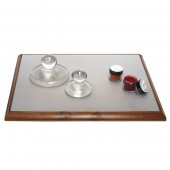
Mixing Slab
Starting at: £24.00
A glass slab with wooden cradle for the grinding of pigments.
The friction created between the sand-blasted surfaces of the glass slab and muller facilitates the thorough mixing of pigment and medium, creating a consistent and strong paint body. This slab can be used to manufacture many types of paint including watercolours, egg tempera and oils.
Mulling is of particular importance when making oil paint; simply mixing pigment and oil together using a palette knife will result in an unstable substance with poor plasticity, which contains a large amount of excess oil and unevenly distributed pigment particles. Thorough mulling in a figure-of-eight motion will enable the pigment to be fully combined into the binder, strengthening the resultant paint film.
PLEASE NOTE: The separate glass slabs are in stock but it is a call to order item due to the fact that we cannot guarantee its safe delivery, however well we package it. Please ring us to discuss your delivery options. In combination with the glass frame, delivery is more secure but we still cannot guarantee a delivery without breakage.
Learn More -
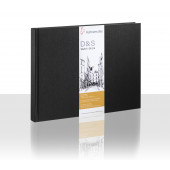
Hahnemuhle D&S Sketchbook
Starting at: £3.30
A robust sketchbook with thread stitching to allow for smooth page turning. The natural white paper has superb abrasion properties, enabling you to effortlessly create broad strokes with pencil. The 140 gsm paper is suitable for dry painting techniques as well as light washes of watercolour Learn More -
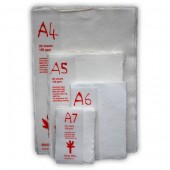
Khadi White Rag Paper Packs 150gsm
Starting at: £2.85
Handmade Paper, 100% Long Fibred Cotton Rag, Acid free, Medium-Rough surface, Deckle Edged. All papers are internally sized with neutral pH size. Learn More -
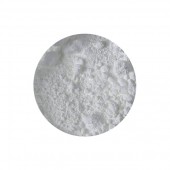
Zinc White Pigment
Starting at: £4.00
Zinc White, or Zinc Oxide, is an artificial mineral pigment that was first produced in France in the late 18th century. Its use in commercial watercolours as Chinese White pre-dates its inclusion in oil painting. It is a semi-opaque, lightfast pigment, which dries very slowly in oil. Of all white pigments, it produces the most brittle paint film, so is not recommended in large quantities for impasto techniques. However, it is a good addition to a palette which requires a less overwhelming white than Titanium White.
Toxicity: B
Learn More -
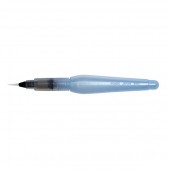
Pentel Aquash Empty Brush Pen
Starting at: £7.80
Fill with non-waterproof ink of your choice or fill with water for watercolour trips. Available in Fine, Medium and Broad tips. Learn More -
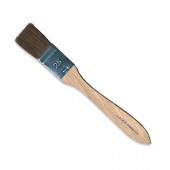
Cornelissen Ox Flat Lacquer
Starting at: £12.90
Soft but springy hair. For varnishing or lacquering. Also useful for watercolour washes. Learn More -
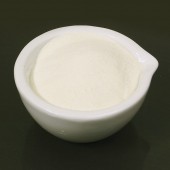
Casein Lactic
Starting at: £15.95
Casein is a protein derived from dried milk, which has been used in painting since ancient times. It can be combined with Ammonium Carbonate to form an emulsion, which acts as a durable, non-resoluble binder for pigments, producing a matte, fast-drying paint, similar in appearance to egg tempera. We use casein as a binder for our L. Cornelissen & Son Pigment Colour Charts, as it is a medium that clearly showcases the characteristics and behaviour of each pigment in its pure form. Casein paints can be applied in thin layers to watercolour paper, but would require a more rigid support, such as a gesso panel, to be applied thickly, as the comparative inflexibility of the paint layer means that it can be prone to cracking. Subsequent layers of paint should be more diluted to aid adhesion, and impasto effects are not recommended. It is possible to varnish casein paintings using an acrylic or damar varnish to obtain a glossy surface if desired, although this is not a necessary step. Casein can also be used as an ingredient in gesso, and is a suitable binder for fresco secco techniques.
Some pigments may require a wetting agent in order to fully disperse within the binder, in which case alcohol may be used.
Learn More -
-
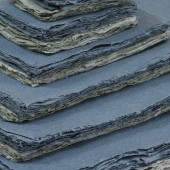
Khadi Grey Paper Packs
Starting at: £2.85
Handmade from 100% long fibred cotton rag. Acid free. Deckle edge. Tub sized (surface sized) with gelatine. Learn More -
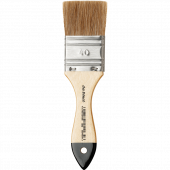
da Vinci Series 560 Ox Lacquer
Starting at: £34.90
Finest quality ox hair suitable for lacquers and fine varnishes. May also be used for watercolour washes. Learn More -
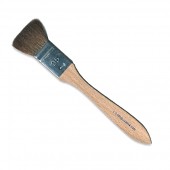
Cornelissen Squirrel Flat Lacquer
Starting at: £20.05
Extra soft brush for varnishing or lacquering. Also useful for watercolour washes. Learn More -
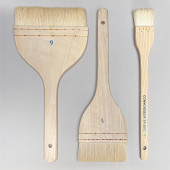
Hake Brushes
Starting at: £5.00
Hake brushes are primarily used in watercolour painting for creating broad washes and applying glazes due to their excellent water-holding capacity and soft bristles. Learn More -
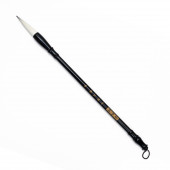
Chinese Brush, Arctic Hare and Goat Hair
£12.50Small, mixed hair brush. Ideal for watercolour painting and loose calligraphy. Learn More
Shopping Options
- Category
-
- Pigments Gums & Resins (19)
- Oils & Acrylics (6)
- Canvas & Supports (1)
- Watercolour Gouache & Egg Tempera (72)
- Pastels (3)
- Drawing & Calligraphy (12)
- Gilding & Restoration Materials (6)
- Printmaking (2)
- Brushes (32)
- Paper (15)
- Studio & Books (16)
- Gift Vouchers (1)
- Price
-
- £0.00 - £99.99 (138)
- £100.00 - £199.99 (6)
- £200.00 and above (3)
- Manufacturer
-
- ArtGraf (4)
- Bockingford (4)
- Cornelissen (32)
- Da Vinci (15)
- Daler-Rowney (2)
- Daniel Smith (9)
- Faber-Castell (1)
- Fabriano (3)
- Hahnemuhle (1)
- Khadi (2)
- London Pigment (1)
- Maimeri (1)
- Michael Harding (3)
- Pentel (1)
- Pro Arte (2)
- Raphael (1)
- Roberson (5)
- Saunders Waterford (3)
- Schmincke (41)
- Winsor&Newton (7)
You have no items in your shopping basket.

- Search Brands
-