

Search results for 'al'


-
-
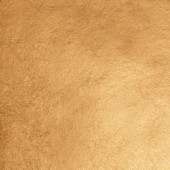
Cornelissen 80 Red Gold Leaf 23 ct
Starting at: £83.10
Red Gold Leaf 23 ct, 80 x 80 mm. Book of 25 leaves. Coverage per book is 0.16 m2 (1.69 sq. feet) Learn More -
-
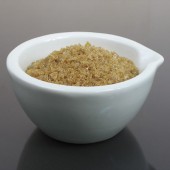
Rabbit Skin Glue
Starting at: £13.00
For sizing canvas prior to priming with an oil based primer. Do not use under acrylic primer. Soak overnight in water. Heat in double boiler (do not boil). Ratio water:size 13:1. Use while still warm. Rabbit Skin Glue does not contain preservatives. 340 - 360 Bloom Learn More
-
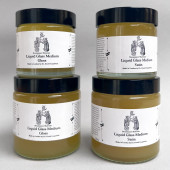
Liquid Glass Mediums
Starting at: £32.00
Renaissance Materials by Dr. David Cranswick.
A thick glazing medium of the 'Old Masters'. Liquid Glass Mediums facilitate building up layers of transparent glaze. Gloss or Satin. Contains: Damar resin, linseed oil and beeswax (for Satin medium only)
Avoid applying a final varnish. The medium can be used as a varnish.
-
-
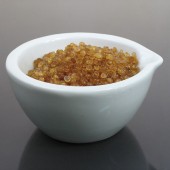
Pearl Glue
Starting at: £6.50
Pearl Glue is a traditional animal-based wood glue made from bone, used for veneering, joinery and antique restoration. 170-200 bloom. Learn More
-
-
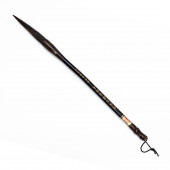
Chinese Brush, Water Badger Hair
£43.35Large, long tipped brush. Ideal for precision work. Learn More -
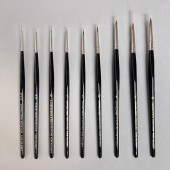
Cornelissen Miniature
Starting at: £10.00
Extra short haired brush for the discerning miniaturist. Learn More -
-
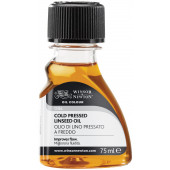
Winsor & Newton Cold Pressed Linseed Oil
Starting at: £9.85
From the Winsor & Newton website: A slightly yellow oil, which is extracted without the use of heat dries slightly quicker than refined linseed oil. Improves flow. Increases gloss & transparency. Reduces consistency and brushstrokes. Ideal for grinding pigments. Learn More -
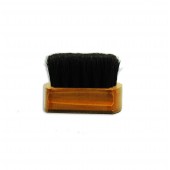
Sosaku Brush 60mm
£18.60Sosaku inking brush for working the pigments and glue paste onto the carved block for printing. These are made from horse hair and are traditionally prepared by splitting and softening the hair on shark-skin or sandpaper before printing. Learn More -
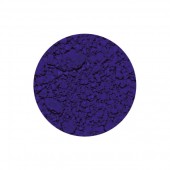
Ultramarine Blue Limewash Pigment
Starting at: £7.50
PB29
Ultramarine Blue Limewash is an artificial mineral pigment that is produced by heating clay, soda, sulphur and coal to high temperatures. Its name comes from outremer, or over-the-sea, as a reference to the highly-prized Lapis Lazuli pigment which had been imported into Europe from Afghanistan since the Middle Ages. First manufactured in France and Germany in 1828, synthetic Ultramarine provided a brilliant and affordable blue to artists, and it remains one of the most popular blues on artists' palettes today.
It is a transparent pigment, with a high tinting strength and excellent lightfastness. Most Ultramarine colours react to alkali and are therefore unsuitable for use in lime-fresco; Limeproof Ultramarine Blue remedies this problem. It is stable in all other media, although it can be tricky to grind in oil. Instead of creating a thick, buttery paste, it can remain stringy and deteriorate when stored in a tube. To correct this, many commercial paint manufacturers include additives and waxes in their recipes; if you intend on grinding your own paint, you could try replacing 10-15% of your Linseed Oil with Poppy Oil to improve the consistency. Ultramine Blue provides a slow-drying, fairly hard paint film, which can tend towards brittleness.
Toxicity: B
Learn More -
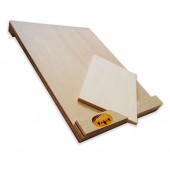
Japanese Workbench
£15.00Workbench/ Bench hook. An aid to safely carve plywood blocks or lino. Hook over edge of table or bench and place surface to be carved in corner as displayed. Please note workbench does not include plywood block. Learn More -
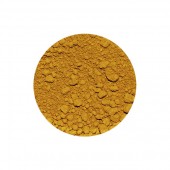
Golden Ochre Pigment
Starting at: £4.50
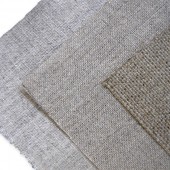
PY43 Golden Ochre is a natural earth pigment, somewhat darker than Yellow Ochre. It is a semi-transparent, lightfast pigment, that is stable in all media. It has a medium to slow drying rate in oil, creating a tough, flexible paint film. Toxicity: B Limeproof Learn More -
-
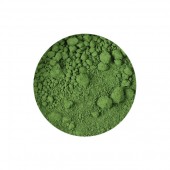
Chromium Oxide Pigment
Starting at: £4.50
Chromium Oxide is a synthetic mixed-metal oxide pigment. It is stable in all media and has an average drying speed in oil, forming a hard, fairly flexible paint film. It is opaque, with a low tinting strength. It has been widely available since the mid-nineteenth century, following its introduction in 1809.
Please note, unfortunately we are not able to send this product outside the UK.
Learn More -
-
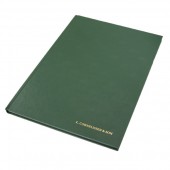
Cornelissen Green Sketch Book 20 x 26cm
Starting at: £9.70
Call to Order
46 sheets of acid-free 140 gsm paper, dark green cover imprinted 'L.CORNELISSEN & SON' on front lower-right corner. Learn More -
-
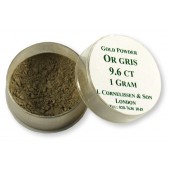
Cornelissen Gold Powder 1 g Gris 9.6 Carat
£87.00Cornelissen Gold Powder 1 gram Gris. *While stocks last. Learn More -
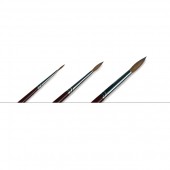
Cornelissen Oil Sable Round
Starting at: £6.20
Finest quality red sable to all types of oil techniques. This brush has good sping even in the smaller sizes and retains its point well. Learn More -
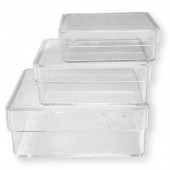
Transparent Containers
Starting at: £1.20
Rigid high quality boxes manufactured in clear Polystyrene. Medium and large sizes are ideal for storing loose nibs. Learn More -
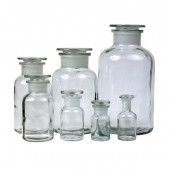
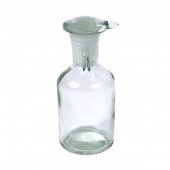
Reagent Jar
Starting at: £6.50
Our clear reagent bottles are manufactured in the EU and are made of high quality soda lime glass. They have a solid base and good wall thickness.
Learn More -
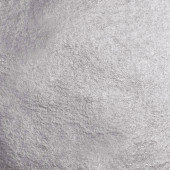
Cornelissen 80 Platinum Leaf
Starting at: £110.50
Platinum Leaf, 80 x 80 mm. Book of 25 leaves. Coverage per book is 0.16 m2 (1.69 sq. feet) Learn More -
-
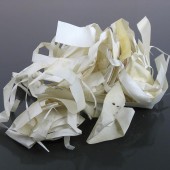
Parchment Clippings
Starting at: £9.90
Parchment Clippings, usually waste goatskin vellum, were utilised throughout the Middle Ages to make an animal hide glue. This continued to be commonly used as a sizing for canvas before rabbit skin glue came to prominence in the nineteenth century. Parchment glue is comparable to isinglass glue, as it also produces a very pale, almost transparent glue with a degree of flexibility. Our parchment clippings are a mixture of vellum scraps, and may include goatskin, calfskin and sheepskin. Cennino Cennini gives a recipe for gesso using parchment in his treatise about painting; please see below for our recipe. Learn More -
Japanese Gold 14,3ct
Starting at: £67.80
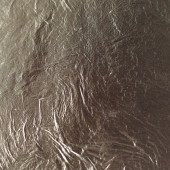
Highest quality 14,3ct gold leaf from Japan. Leaves measure 109×109mm and are approximately 0.1μ~0.2μ in thickness. These Tachikiri (contemporary) leaves are beaten in between glassine paper which leaves a much softer impression on the surface of each leaf, resulting in a slightly shinier finish than the more traditional Enzuke gold leaf. Each pack contains 10 leaves. Learn More -
Clear Dewaxed Shellac
Starting at: £9.20
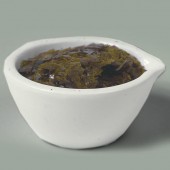
Shellac is a natural resin that is deposited by the female lac insect on the branches of trees in India and Thailand. It is soluble with alcohol, but not with mineral spirits or turpentine. It forms a tough yet flexible film, with many applications. It is suitable as a top coat for gilding when applied thinly, a sealant for porous surfaces, an isolating layer for tempera paintings, a base for pigmented inks, a protective layer for collograph plates, and a warm varnish for wooden floors and furniture. As it is prone to darkening with age, it is not recommended as a varnish for oils, and its solubility can reduce over time. There are various grades of shellac. When mixed with alcohol, it may initially form a cloudy mixture, due to traces of wax in the shellac, but this should become clear once it has dried. The highest grades of shellac are Clear Dewaxed Shellac, which has been de-coloured using the carbon filtering method, Lemon Shellac, and Orange Shellac, which are pale in colour. Button Shellac is less refined and therefore produces a reddish varnish. It was, in fact, widely used as a red dye before synthetic dyes became available. Learn More
Currently Shopping by:
- Manufacturer: Cornelissen Remove This Item
Shopping Options
- Category
-
- Pigments, Gums, Resins (164)
- Oils, Acrylics (16)
- Canvas, Supports (15)
- Watercolour, Gouache, Egg Tempera (11)
- Pastels (1)
- Drawing, Calligraphy (42)
- Gilding, Restoration (106)
- Printmaking (54)
- Brushes (31)
- Paper (9)
- Studio, Books (39)
- Signwriting, Specialist Decorating (9)
- Price
-
- £0.00 - £999.99 (436)
- £1,000.00 - £1,999.99 (1)
- £2,000.00 - £2,999.99 (1)
- £3,000.00 - £3,999.99 (1)
- £4,000.00 and above (1)
- Color
-
- Green (1)
You have no items in your shopping basket.

- Search Brands
-