

Search results for 'effects paint'


-
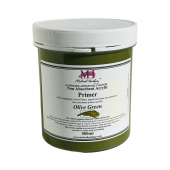
Michael Harding Non Absorbent Acrylic Primer - Colours
Starting at: £21.20
Michael Harding Non-Absorbent Acrylic Primer (NAAP) is a versatile product suitable for application on various surfaces, including linen, wood, MDF, and more. It is designed to create a robust, flexible, permanent, and intensely pigmented ground, making it an excellent choice for both acrylic and oil paints. Important Application Guidelines: Support Selection: NAAP should not be applied over surfaces treated with rabbit skin/hide glue or on unsound, flimsy supports such as cardboard. Opt for stable substrates to ensure the primer’s effectiveness. Not a Gesso: Please note that NAAP is a primer, not a gesso. As such, there is no need for additional gessoes, sizes, or other ancillary products when using NAAP. DIRECTIONS: Coat Application: Apply a minimum of two coats of NAAP to your chosen support, ensuring liberal coverage for optimal results. Dilution for Flow: If you desire increased flow, dilute NAAP with a mixture of 1 part water to 4 parts NAAP. This adjustment allows for customization based on your artistic preferences. Second Coat Application: Apply the second coat once the first coat is touch dry, typically after approximately 1 hour. This step contributes to the creation of a well-prepared painting surface. Additional Considerations: Suitable Supports: Do not use Michael Harding Non-Absorbent Acrylic Primer on flimsy or unsound supports. It is crucial to choose a stable and well-prepared surface for priming to ensure the longevity and integrity of your artwork. Canvas Weave Consideration: Avoid using this primer on canvases with a wide weave. The non-absorbent nature of the primer may not be suitable for canvases with a loose or open structure, compromising its effectiveness. Transparency Check: Before application, inspect your canvas material by holding it up to the light. If you can see light passing through the wefts (threads) of the canvas, it is not recommended to use Michael Harding Non-Absorbent Acrylic Primer. Opt for a more appropriate primer based on the transparency of your canvas. Learn More -
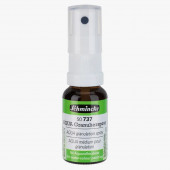
Schmincke Aqua Granulation Spray 15 ml
£9.00Call to Order
Create effects similar to granulation effects in watercolours, with an even paint flow. Learn More
Shop By
Shopping Options
- Category
-
- Pigments, Gums, Resins (8)
- Oils, Acrylics (14)
- Canvas, Supports (2)
- Watercolour, Gouache, Egg Tempera (2)
- Pastels (2)
- Drawing, Calligraphy (1)
- Printmaking (3)
- Brushes (4)
- Paper (1)
- Signwriting, Specialist Decorating (4)
- Price
-
- £0.00 - £9.99 (10)
- £10.00 - £19.99 (13)
- £20.00 - £29.99 (5)
- £30.00 - £39.99 (1)
- £40.00 and above (3)
- Manufacturer
-
- Cornelissen (6)
- Cranfield (2)
- Fabriano (1)
- Lascaux (3)
- Lefranc et Bourgeois (1)
- Michael Harding (3)
- Omega (1)
- Roberson (7)
- Schmincke (7)
- Sennelier (1)
My Basket
You have no items in your shopping basket.

Important
- Search Brands
-