

Search results for 'Red pigments'


-
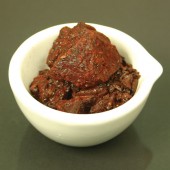
Dragon's Blood Pieces
Starting at: £25.40
Dragon's Blood is a natural, resin, mentioned by Pliny in his Natural History. It has a weak tinting strength, and its rich red colour can be fugitive in direct sunlight. It is fully soluble in alcohol, and can be used to add a warm, transparent tone to spirit varnishes. Also available in powdered form.
Learn More -
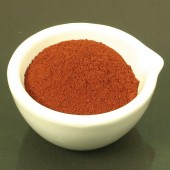
Dragon's Blood Powder
Starting at: £28.10
Dragon's Blood is a natural, resin, mentioned by Pliny in his Natural History. It has a weak tinting strength, and its rich red-colour can be fugitive in direct sunlight. It is fully soluble in alcohol, and can be used to add a warm, transparent tone to spirit varnishes. Also available in lump form.
Learn More -
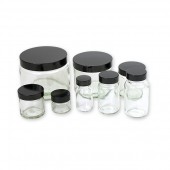
Squat & Powder Jars
Starting at: £0.75
Squat and Powder Jars in glass and plastic. *Please note, our glass jars are fragile, although they are packed very carefully we cannot guarantee they will arrive safely. Cases of jars are stored offsite, please allow extra time for your order to be processed and dispatched. Learn More -
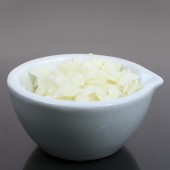
Bleached Beeswax
Starting at: £12.30
Beeswax is derived from melted honeycomb, and is available in two grades. Bleached Beeswax Pellets are white, having been bleached by the sun, and are an appropriate choice for using with pale colours, although they may revert to yellow over time. Natural Beeswax Pellets are yellow in colour, and offer a more flexible structure with a higher resin content. Beeswax has a melting point of 63-66°c, and may turn brown if over-heated. It is the most widely used wax in artists' materials, having a wide range of applications. Please see below for more details.
Learn More -
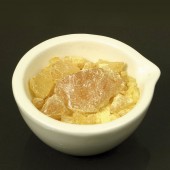
Colophony
Starting at: £7.30
Colophony is a by-product of the distillation of turpentine. It is soluble in most solvents, but considered an adulterant in varnishes and paints, as it forms a weak surface that is prone to darkening and cracking. It is, however, a key ingredient in wax-based etching grounds, imparting hardness, and can be used in powdered form (rosin) to make aquatints. Learn More -
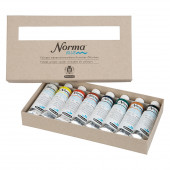
Schmincke Norma Blue Set 8 x 35 ml, Cardboard Box
£59.75Water-mixable (water miscible), highly pigmented, lightfast paints with a buttery consistency. Vegan, low odour, anti-allergenic, environmentally friendly. Learn More -
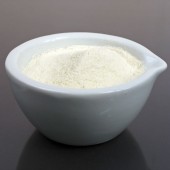
Gum Sandarac
Starting at: £8.60
Gum Sandarac, derived from a coniferous tree, is available in powdered or lump form. It can be dissolved in alcohol to create a varnish that is suitable as an isolating layer in oil painting and as a traditional top coat for egg tempera. It forms a brittle layer, so is only suitable for use on a rigid support. Another application is as a surface preparation for calligraphy; the ground gum can be dusted across a piece of prepared vellum or paper to create a resist, which shrinks ink strokes slightly, making them appear finer, with crisp edges. Learn More -
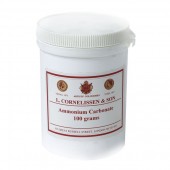
Ammonium Carbonate
Starting at: £9.70
Ammonium Carbonate is a highly Alkaline substance that reacts with the lactic acid present in casein to form a robust binder for tempera paints. It should only be used in a well-ventilated area, please see below for the Material Safety Data Sheet. Learn More -
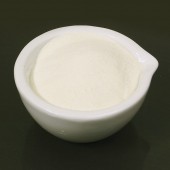
Casein Lactic
Starting at: £17.80
Casein is a protein derived from dried milk, which has been used in painting since ancient times. It can be combined with Ammonium Carbonate to form an emulsion, which acts as a durable, non-resoluble binder for pigments, producing a matte, fast-drying paint, similar in appearance to egg tempera. We use casein as a binder for our L. Cornelissen & Son Pigment Colour Charts, as it is a medium that clearly showcases the characteristics and behaviour of each pigment in its pure form. Casein paints can be applied in thin layers to watercolour paper, but would require a more rigid support, such as a gesso panel, to be applied thickly, as the comparative inflexibility of the paint layer means that it can be prone to cracking. Subsequent layers of paint should be more diluted to aid adhesion, and impasto effects are not recommended. It is possible to varnish casein paintings using an acrylic or damar varnish to obtain a glossy surface if desired, although this is not a necessary step. Casein can also be used as an ingredient in gesso, and is a suitable binder for fresco secco techniques.
Some pigments may require a wetting agent in order to fully disperse within the binder, in which case alcohol may be used.
Learn More -
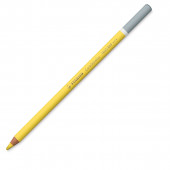
STABILO CarbOthello Pastel Pencils
Starting at: £2.05
STABILO CarbOthello is a chalk pastel coloured pencil range available in up to 60 colours. With its wonderfully dry and dusty stroke it is just like a chalk pastel in pencil format. It's very popular with artists, art students and people with creative hobbies. Its high pigmentation guarantees great luminosity and opacity as well as colour fastness and colour brilliance especially on dark backgrounds and delicate papers. What's more it can be sharpened to a very fine tip which make it ideal for detail. Colours can be dry mixed and blended which makes colouring more fun and special.
Learn More -

STABILO CarbOthello Pastel Pencil Sets
Starting at: £25.20
STABILO CarbOthello is a chalk pastel coloured pencil range available in up to 60 colours. With its wonderfully dry and dusty stroke it is just like a chalk pastel in pencil format. It's very popular with artists, art students and people with creative hobbies. Its high pigmentation guarantees great luminosity and opacity as well as colour fastness and colour brilliance especially on dark backgrounds and delicate papers. What's more it can be sharpened to a very fine tip which make it ideal for detail. Colours can be dry mixed and blended which makes colouring more fun and special.
Learn More -
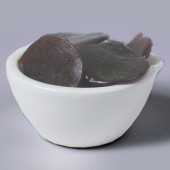
Button Shellac
Starting at: £8.40
Shellac is a natural resin that is deposited by the female lac insect on the branches of trees in India and Thailand. It is soluble with alcohol, but not with mineral spirits or turpentine. It forms a tough yet flexible film, with many applications. It is suitable as a top coat for gilding when applied thinly, a sealant for porous surfaces, an isolating layer for tempera paintings, a base for pigmented inks, a protective layer for collograph plates, and a warm varnish for wooden floors and furniture. As it is prone to darkening with age, it is not recommended as a varnish for oils, and its solubility can reduce over time. There are various grades of shellac. When mixed with alcohol, it may initially form a cloudy mixture, due to traces of wax in the shellac, but this should become clear once it has dried. The highest grades of shellac are Clear Dewaxed Shellac, which has been de-coloured using the carbon filtering method, Lemon Shellac, and Orange Shellac, which are pale in colour. Button Shellac is less refined and therefore produces a reddish varnish. It was, in fact, widely used as a red dye before synthetic dyes became available. Learn More -
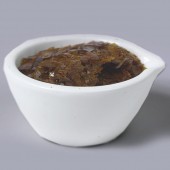
Lemon Shellac
Starting at: £8.20
Shellac is a natural resin that is deposited by the female lac insect on the branches of trees in India and Thailand. It is soluble with alcohol, but not with mineral spirits or turpentine. It forms a tough yet flexible film, with many applications. It is suitable as a top coat for gilding when applied thinly, a sealant for porous surfaces, an isolating layer for tempera paintings, a base for pigmented inks, a protective layer for collograph plates, and a warm varnish for wooden floors and furniture. As it is prone to darkening with age, it is not recommended as a varnish for oils, and its solubility can reduce over time. There are various grades of shellac. When mixed with alcohol, it may initially form a cloudy mixture, due to traces of wax in the shellac, but this should become clear once it has dried. The highest grades of shellac are Clear Dewaxed Shellac, which has been de-coloured using the carbon filtering method, Lemon Shellac, and Orange Shellac, which are pale in colour. Button Shellac is less refined and therefore produces a reddish varnish. It was, in fact, widely used as a red dye before synthetic dyes became available. Learn More -
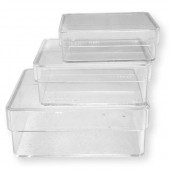
Transparent Containers
Starting at: £1.20
Rigid high quality boxes manufactured in clear Polystyrene. Medium and large sizes are ideal for storing loose nibs. Learn More -
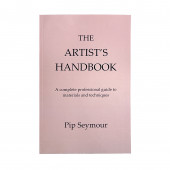
Artist's Handbook
£30.00By Pip Seymour. The Artist’s Handbook provides artists with in-depth, practical information on the materials, equipment and skills necessary for all areas of artistic practice. Topics covered include advice on how to select appropriate art materials, including paints, brushes, canvases and drawing materials; techniques for making your own paints, glue, varnishes and paper; advice on how to achieve the best results from both manufactured and hand-made materials; the best methods of storing and preserving finished artworks, and health and safety precautions. 520 pages. Learn More -
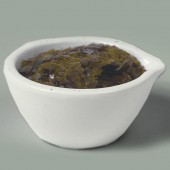
Clear Dewaxed Shellac
Starting at: £9.20
Shellac is a natural resin that is deposited by the female lac insect on the branches of trees in India and Thailand. It is soluble with alcohol, but not with mineral spirits or turpentine. It forms a tough yet flexible film, with many applications. It is suitable as a top coat for gilding when applied thinly, a sealant for porous surfaces, an isolating layer for tempera paintings, a base for pigmented inks, a protective layer for collograph plates, and a warm varnish for wooden floors and furniture. As it is prone to darkening with age, it is not recommended as a varnish for oils, and its solubility can reduce over time. There are various grades of shellac. When mixed with alcohol, it may initially form a cloudy mixture, due to traces of wax in the shellac, but this should become clear once it has dried. The highest grades of shellac are Clear Dewaxed Shellac, which has been de-coloured using the carbon filtering method, Lemon Shellac, and Orange Shellac, which are pale in colour. Button Shellac is less refined and therefore produces a reddish varnish. It was, in fact, widely used as a red dye before synthetic dyes became available. Learn More -
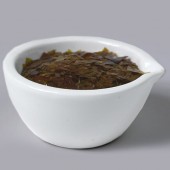
Orange Shellac
Starting at: £8.00
Shellac is a natural resin that is deposited by the female lac insect on the branches of trees in India and Thailand. It is soluble with alcohol, but not with mineral spirits or turpentine. It forms a tough yet flexible film, with many applications. It is suitable as a top coat for gilding when applied thinly, a sealant for porous surfaces, an isolating layer for tempera paintings, a base for pigmented inks, a protective layer for collograph plates, and a warm varnish for wooden floors and furniture. As it is prone to darkening with age, it is not recommended as a varnish for oils, and its solubility can reduce over time. There are various grades of shellac. When mixed with alcohol, it may initially form a cloudy mixture, due to traces of wax in the shellac, but this should become clear once it has dried. The highest grades of shellac are Clear Dewaxed Shellac, which has been de-coloured using the carbon filtering method, Lemon Shellac, and Orange Shellac, which are pale in colour. Button Shellac is less refined and therefore produces a reddish varnish. It was, in fact, widely used as a red dye before synthetic dyes became available. Learn More -
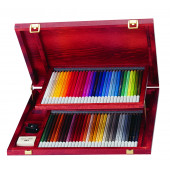
STABILO CarbOthello Pastel Pencil Set of 60 in Wooden Box
£175.00STABILO CarbOthello is a chalk pastel coloured pencil range available in up to 60 colours. With its wonderfully dry and dusty stroke it is just like a chalk pastel in pencil format. It's very popular with artists, art students and people with creative hobbies. Its high pigmentation guarantees great luminosity and opacity as well as colour fastness and colour brilliance especially on dark backgrounds and delicate papers. What's more it can be sharpened to a very fine tip which make it ideal for detail. Colours can be dry mixed and blended which makes colouring more fun and special.
Learn More -
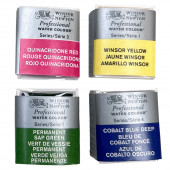
W&N Professional Watercolour Half Pan
Starting at: £8.50
Water colour, more than any other medium, reflects the unique characteristics of the pigments used. Winsor & Newton Professional Water Colours use only the finest pigments and are known for their brilliance, permanence and strength of colour. Learn More
-
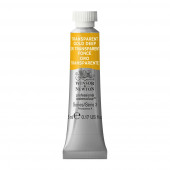
W&N Professional Watercolour 5ml Tube
Starting at: £8.80
Water colour, more than any other medium, reflects the unique characteristics of the pigments used and our Professional Water Colours use only the finest pigments, and are known for their brilliance, permanence and strength of colour. Learn More
-
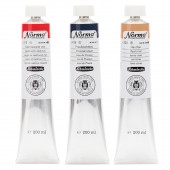
Schmincke Norma Professional Artists' Oil 200ml
Starting at: £27.90
Professional artists' pigments with the highest possible concentration of pigment in linseed and sunflower oils. All colours have outstanding brilliance and highest possible lightfastness. Mainly single pigment colours. Learn More -
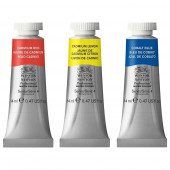
W&N Professional Watercolour 14ml Tube
Starting at: £17.20
Water colour, more than any other medium, reflects the unique characteristics of the pigments used and our Professional Water Colours use only the finest pigments, and are known for their brilliance, permanence and strength of colour. Learn More
-
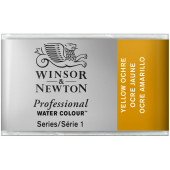
W&N Professional Watercolour Whole Pan
Starting at: £10.20
Water colour, more than any other medium, reflects the unique characteristics of the pigments used and our Professional Water Colours use only the finest pigments, and are known for their brilliance, permanence and strength of colour. Learn More
-
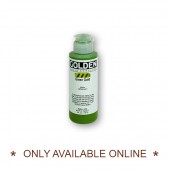
Golden Fluid Acrylic 119ml
Starting at: £20.10
Equal the intensity of GOLDEN Heavy Body Acrylics but with an even, flowing characteristic useful for dry brush application, fine details, pouring, spraying, staining techniques and many others. Fluids are created by loading an acrylic polymer binder with concentrated levels of quality pigments for a wide selection of permanent and lightfast colors. No fillers or extenders are added to achieve the desired consistency, nor is the fluid quality achieved with additional water. GOLDEN Fluid Acrylics have the same pigment load as the Heavy Body Acrylics, but in a viscosity similar to heavy cream. *Please note, this range is stored offsite. Please allow extra time for your order to be processed and dispatched. Learn More -
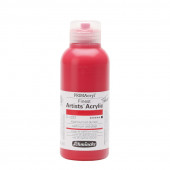
Schmincke PRIMAcryl 250ml
Starting at: £25.30
ONLY AVAILABLE ONLINE[]. Schmincke PRIMAcryl is a high viscosity premium acrylic range. Artists quality high pigment content gives all the shades a new dimension of brilliance and expressiveness. The titanium white is unparalleled. It's high pigmentation, opacity and cover rate enables incredibly brilliant mixtures. No colour shift between the wet and dry states. High lightfastness level either 4 or 5 stars indicates the quality of these premium acrylic paints. All colours do not yellow and the dried paint layers are durable, flexible and water resistant. *Please note, this range is stored offsite. Please allow extra time for your order to be processed and dispatched. Learn More -
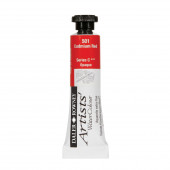
Daler-Rowney Artists Watercolour 5ml Tube
Starting at: £7.10
Artists' Water Colour is a professional quality water colour. Based on the finest modern and traditional pigments, it is precisely formulated to offer unparalleled performance and permanence. Learn More -
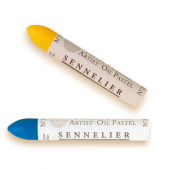
Sennelier Oil Pastels Large
Starting at: £11.80
Beautifully soft and creamy oil pastels in a range of 120 colours. Blend of pure pigment, oil and acid free wax. 20% Discount for purchasing 4+ pastels. Learn More -
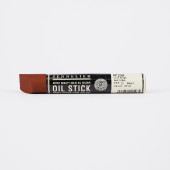
Sennelier Oil Sticks
Starting at: £7.65
Solid artists' quality oil paint sticks. (Ø = 3/4 ; length = 5" ) SENNELIER Extra-Fine Solid Oil Sticks can be used alone or in combination with oil colours in tubes. The oil stick colours can be used for an entire painting. They are applied directly to any traditional oil-painting support, such as canvas, wood panel or fine art paper. They need the same archival priming (acrylic gesso or oil ground) that oil paint requires. Surfaces: Before use, the surface film of the oil stick must be peeled off. It will form again after a few days of non-use, protecting and conserving the colour. The oil sticks must be applied in a thin film application of no more than 1mm thick. Once applied they can be painted over with oil stick or oil paint and if desired be diluted with turpentine. Oil stick Medium, a colourless oil stick, may be used to produce transparent effects and glazes. Once applied, the oil stick surface will dry in 2 to 5 days, depending on the atmospheric conditions Varnishing: If varnishing is desired, you must wait 6 months (as in traditional oil paint) until the colour is completely dry, before giving the painting a final coat of picture varnish. Use a soft brush to varnish so that the oil stick marks are not disturbed. SENNELIER Extra-Fine Solid Oil Stick colours are either opaque (O) or transparent (T) depending on the nature of the pigment in each colour. Oil Sticks do not change during storage and require no special precautions except to be kept away from any source of heat, which could adversely affect the stick. Application Techniques After applying the colour with the point or the edge of the oil stick, colours can be mixed directly on the support using the following methods: • Blending, with brush, finger, or drawing stump. With or without turpentine • Wash-drawing, dilute colours with turpentine or mineral spirit • Retouching, with oil stick, palette knife or brush • Textures, thick application oil stick colour. Retouch with a brush or palette knife •Sgraffito, scratching a layer of fresh paint with a point (brush handle, palette knife, etc.) to reveal the layer below. Sgraffito is related to engraving, and is used not only for revealing the under-layers of paint but also to scratch and clean unsatisfactory parts of the painting •Interior Decoration, on glass, ceramics etc. Use for decorative purposes only Learn More -
Gamblin Oil Colours 37ml
Starting at: £11.20
*Only available online*. Robert Gamblin started making artists' oil paints in 1980. Since then he has built a reputation as both an innovative and imaginative maker of some of the best oils on the market today. As well as usual single pigment colours you would expect, the range also includes an interesting selection of neutral greys, beautiful metallics and the truly innovative Radiant range of pastel colours. Combining science and artistry, Gamblin paints are truly exceptional. *Please note, this range is stored offsite. Please allow extra time for your order to be processed and dispatched. Learn More -
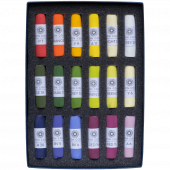
Unison 18 Botanical Assorted Pastels
£86.65The Unison Special Edition Botanical 18 set created by the colour experts in Unison Colour. Presented in a natural-style craft box, The Botanical 18 Set is a special edition collection of our much-admired pastels. Created to inspire ambitious study of botanical elements in your floral landscapes, this range is complimentary to the existing classic Unison sets, Starter 18 and Landscape 18.
Learn More
Shopping Options
- Category
-
- Pigments, Gums, Resins (93)
- Oils, Acrylics (35)
- Canvas, Supports (3)
- Watercolour, Gouache, Egg Tempera (25)
- Pastels (13)
- Drawing, Calligraphy (17)
- Gilding, Restoration (6)
- Printmaking (7)
- Studio, Books (13)
- Signwriting, Specialist Decorating (9)
- Gift Vouchers (1)
- Price
-
- £0.00 - £99.99 (178)
- £100.00 - £199.99 (3)
- £200.00 and above (1)
- Manufacturer
-
- Charbonnel (1)
- Cornelissen (87)
- Daler-Rowney (2)
- Daniel Smith (6)
- Faber-Castell (2)
- Gamblin (3)
- Golden (7)
- London Pigment (4)
- Maimeri (1)
- Michael Harding (6)
- Renaissance Workshop Materials (4)
- Roberson (7)
- Rohrer and Klingner (1)
- Schmincke (27)
- Spectrum (1)
- Stabilo (3)
- Winsor&Newton (6)
- Sennelier (3)
You have no items in your shopping basket.

- Search Brands
-