

Search results for 'paint and oil'


-
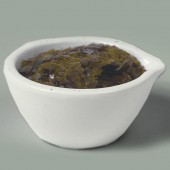
Clear Dewaxed Shellac
Starting at: £9.20
Shellac is a natural resin that is deposited by the female lac insect on the branches of trees in India and Thailand. It is soluble with alcohol, but not with mineral spirits or turpentine. It forms a tough yet flexible film, with many applications. It is suitable as a top coat for gilding when applied thinly, a sealant for porous surfaces, an isolating layer for tempera paintings, a base for pigmented inks, a protective layer for collograph plates, and a warm varnish for wooden floors and furniture. As it is prone to darkening with age, it is not recommended as a varnish for oils, and its solubility can reduce over time. There are various grades of shellac. When mixed with alcohol, it may initially form a cloudy mixture, due to traces of wax in the shellac, but this should become clear once it has dried. The highest grades of shellac are Clear Dewaxed Shellac, which has been de-coloured using the carbon filtering method, Lemon Shellac, and Orange Shellac, which are pale in colour. Button Shellac is less refined and therefore produces a reddish varnish. It was, in fact, widely used as a red dye before synthetic dyes became available. Learn More -
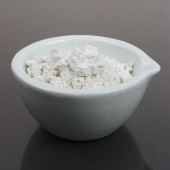
Whiting
Starting at: £4.00
Whiting is powdered Calcium Carbonate, which can be mixed with rabbit skin glue to create a chalk-based ground for oil, tempera, distemper or encaustic painting. Traditionally, whiting was an important ingredient when preparing painting surfaces in the north of Europe, as opposed to gypsum (Calcium Sulphate), which was widely used south of the Alps. Learn More -
-
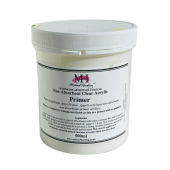
Michael Harding Non Absorbent Acrylic Primer - Clear Transparent
Starting at: £21.20
Michael Harding Non-Absorbent Acrylic Primer (NAAP) is a versatile product suitable for application on various surfaces, including linen, wood, MDF, and more. It is designed to create a robust, flexible, permanent, and intensely pigmented ground, making it an excellent choice for both acrylic and oil paints. Important Application Guidelines: Support Selection: NAAP should not be applied over surfaces treated with rabbit skin/hide glue or on unsound, flimsy supports such as cardboard. Opt for stable substrates to ensure the primer’s effectiveness. Not a Gesso: Please note that NAAP is a primer, not a gesso. As such, there is no need for additional gessoes, sizes, or other ancillary products when using NAAP. DIRECTIONS: Coat Application: Apply a minimum of two coats of NAAP to your chosen support, ensuring liberal coverage for optimal results. Dilution for Flow: If you desire increased flow, dilute NAAP with a mixture of 1 part water to 4 parts NAAP. This adjustment allows for customization based on your artistic preferences. Second Coat Application: Apply the second coat once the first coat is touch dry, typically after approximately 1 hour. This step contributes to the creation of a well-prepared painting surface. Additional Considerations: Suitable Supports: Do not use Michael Harding Non-Absorbent Acrylic Primer on flimsy or unsound supports. It is crucial to choose a stable and well-prepared surface for priming to ensure the longevity and integrity of your artwork. Canvas Weave Consideration: Avoid using this primer on canvases with a wide weave. The non-absorbent nature of the primer may not be suitable for canvases with a loose or open structure, compromising its effectiveness. Transparency Check: Before application, inspect your canvas material by holding it up to the light. If you can see light passing through the wefts (threads) of the canvas, it is not recommended to use Michael Harding Non-Absorbent Acrylic Primer. Opt for a more appropriate primer based on the transparency of your canvas. Learn More -
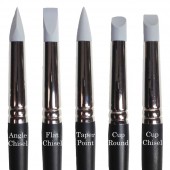
Colour Shapers
Starting at: £7.00
Unique silicone tipped tools for painting heavy mediums such as acrylic and oil paint. Excellent for spreading adhesives and appplying masking fluid. Can be used with Batik and encaustic wax. Available in soft ivory tip and firm grey tip. Learn More -
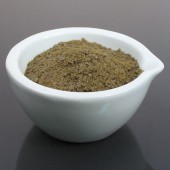
Carnauba Wax Grey
Starting at: £8.40
Carnauba Wax is the hardest wax commonly used in the production of artists' materials, with a melting point of 83-86°c. It is derived from a tree native to South America, and is available in a natural colour (grey), or a refined colour (pale yellow). Small amounts of carnauba wax are commonly used in both oil painting mediums and encaustic painting, usually in conjunction with beeswax to add toughness, durability and sheen to the paint film. It creates an inflexible surface, so works best on rigid supports such as gesso panels, and it should be noted that it will raise the melting point of encaustic mixtures. It can produce a glossy finish; as such it is used in waxes and polishes for shoes, cars, musical instruments, furniture, and wooden floors, especially when mixed with beeswax and turpentine. Learn More -
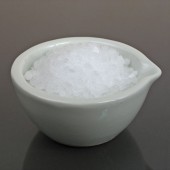
Paraffin Wax
Starting at: £6.60
Paraffin Wax is a by-product of the petro-chemical industry. It has a low melting point of 50-60°c and a brittle texture, making it unsuitable for encaustic painting or as an additive to oil paints, but it can be used to impart softness to lithographic crayons. As a petroleum product, it is more inert than animal or vegetable waxes, and is therefore not saponified (turned into soap) by alkali substances. Learn More -
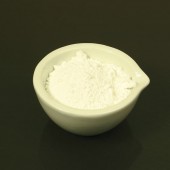
Alumina Hydrate Light
Starting at: £8.30
Alumina Hydrate is an inert pigment with highly absorbent properties, which can be ground into oil paint as an almost colourless extender. It is often used as an additive in commercial oil paints, particularly in conjunction with transparent or lake pigments, as it provides stability and a homogenous consistency without effecting colour or gloss, although it may effect the pigment strength. When combined with linseed oil, it produces an almost transparent painting medium for extending oil colours. Sometimes referred to as Lake Base. Learn More -
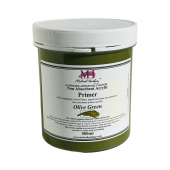
Michael Harding Non Absorbent Acrylic Primer - Colours
Starting at: £21.20
Michael Harding Non-Absorbent Acrylic Primer (NAAP) is a versatile product suitable for application on various surfaces, including linen, wood, MDF, and more. It is designed to create a robust, flexible, permanent, and intensely pigmented ground, making it an excellent choice for both acrylic and oil paints. Important Application Guidelines: Support Selection: NAAP should not be applied over surfaces treated with rabbit skin/hide glue or on unsound, flimsy supports such as cardboard. Opt for stable substrates to ensure the primer’s effectiveness. Not a Gesso: Please note that NAAP is a primer, not a gesso. As such, there is no need for additional gessoes, sizes, or other ancillary products when using NAAP. DIRECTIONS: Coat Application: Apply a minimum of two coats of NAAP to your chosen support, ensuring liberal coverage for optimal results. Dilution for Flow: If you desire increased flow, dilute NAAP with a mixture of 1 part water to 4 parts NAAP. This adjustment allows for customization based on your artistic preferences. Second Coat Application: Apply the second coat once the first coat is touch dry, typically after approximately 1 hour. This step contributes to the creation of a well-prepared painting surface. Additional Considerations: Suitable Supports: Do not use Michael Harding Non-Absorbent Acrylic Primer on flimsy or unsound supports. It is crucial to choose a stable and well-prepared surface for priming to ensure the longevity and integrity of your artwork. Canvas Weave Consideration: Avoid using this primer on canvases with a wide weave. The non-absorbent nature of the primer may not be suitable for canvases with a loose or open structure, compromising its effectiveness. Transparency Check: Before application, inspect your canvas material by holding it up to the light. If you can see light passing through the wefts (threads) of the canvas, it is not recommended to use Michael Harding Non-Absorbent Acrylic Primer. Opt for a more appropriate primer based on the transparency of your canvas. Learn More -
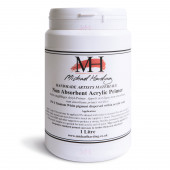
Michael Harding Non Absorbent Acrylic Primer White
Starting at: £21.20
Apply 2 coats. First coat may be applied 25% diluted with water to increase flow and coverage if required. Apply second coat once first coat is touch dry (approx.. 1 hour). This product may be applied to: linen, wood, MDF and other supports to produce a strong, flexible, permanent, highly pigmented white ground. Suitable for as a ground for both acrylic and oil paint. May even be applied over inexpensive standard primed canvases to render them non absorbent! Do not apply over rabbit skin / hide glue or to unsound supports such as cardboard and flimsy supports! Learn More -
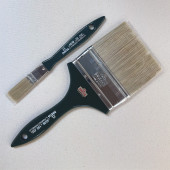
Omega Series 40 Varnish
Starting at: £6.90
Flat soft hog hair in cupro-nickel ferrule on short flat handle used for applying varnish to both oil and acrylic paintings. Also recommended for applying warm glue size and primers to all surfaces. Pure bristle / synthetic mix. Learn More -
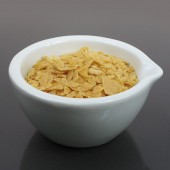
Carnauba Wax Yellow
Starting at: £6.50
Carnauba Wax is the hardest wax commonly used in the production of artists' materials, with a melting point of 83-86°c. It is derived from a tree native to South America, and is available in a natural colour (grey), or a refined colour (pale yellow). Small amounts of carnauba wax are commonly used in both oil painting mediums and encaustic painting, usually in conjunction with beeswax to add toughness, durability and sheen to the paint film. It creates an inflexible surface, so works best on rigid supports such as gesso panels, and it should be noted that it will raise the melting point of encaustic mixtures. It can produce a glossy finish; as such it is used in waxes and polishes for shoes, cars, musical instruments, furniture, and wooden floors, especially when mixed with beeswax and turpentine. Learn More -
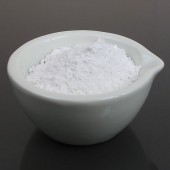
Precipitate Chalk
Starting at: £6.30
Precipitate Chalk is fine and white. For use in aqueous mediums as a ground for oil and tempera paintings. Learn More -
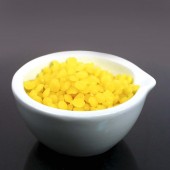
Natural Beeswax
Starting at: £11.20
Beeswax is derived from melted honeycomb, and is available in two grades. Bleached Beeswax Pellets are white, having been bleached by the sun, and are an appropriate choice for using with pale colours, although they may revert to yellow over time. Natural Beeswax Pellets are yellow in colour, and offer a more flexible structure with a higher resin content. Beeswax has a melting point of 63-66°c, and may turn brown if over-heated. It is the most widely used wax in artists' materials, having a wide range of applications. Please see below for more details.
Learn More -
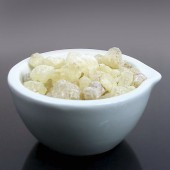
Gum Damar
Starting at: £10.00
Damar is a pale, almost colourless tree resin, which is soluble in turpentine, but not in alcohol or mineral spirits. It can be used as a varnish or as a glossy painting medium in conjunction with vegetable oils, and is generally preferable to other resin-based varnishes, such as mastic varnish, as it retains its colourless appearance for a longer period of time. In encaustic painting, the inclusion of damar resin imparts toughness and gloss to the paint surface. Learn More -
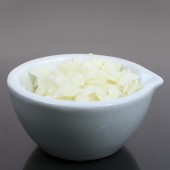
Bleached Beeswax
Starting at: £12.30
Beeswax is derived from melted honeycomb, and is available in two grades. Bleached Beeswax Pellets are white, having been bleached by the sun, and are an appropriate choice for using with pale colours, although they may revert to yellow over time. Natural Beeswax Pellets are yellow in colour, and offer a more flexible structure with a higher resin content. Beeswax has a melting point of 63-66°c, and may turn brown if over-heated. It is the most widely used wax in artists' materials, having a wide range of applications. Please see below for more details.
Learn More -
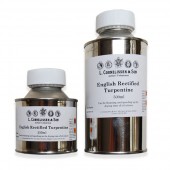
Cornelissen Rectified Turpentine
Starting at: £9.00
Volatile colourless liquid distilled from pine sap. Greater wetting powers than white spirit. Used to thin oil paint. Learn More -
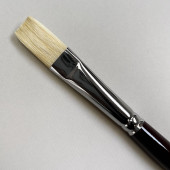
Roberson Series 42B Hog Bristle Flat
Starting at: £5.10
Good quality Chinese white interlocking hog hair. Nickel-plated brass seamless ferrule. Maroon handle. Length approximately 300mm / 370mm depending on size. Learn More -
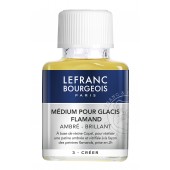
Lefranc Flemish Glazing Medium
Starting at: £9.10
Lefranc Bourgeois are a paint manufacturer with a long history of supplying to artists since their beginnings in 1720.
From their website: The Flemish glazing medium enables artists to create glossy amber finishes in the style of the Flemish masters. It creates a transparent look. It also greatly enhances the brilliance of the oil. After half a day’s work, the colours can be layered over each other.
Learn More -
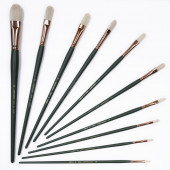
Cornelissen Series 44 Hog Bristle Filbert
Starting at: £5.00
Finest quality selected interlocking Chinese white hog hair. Seamless copper ferrule. Green handle. Length approximately 300mm depending on size. Size / A [width at ferrule]mm / B [visible hair / fibre length]mm / C [total length]mm 0 4 11 291 1 5 15 297 2 6 17 303 3 7 20 305 4 10 22 309 5 10 24 315 6 11 26 320 7 14 28 330 8 14 32 337 10 19 35 342 12 22 38 349 Learn More -
-
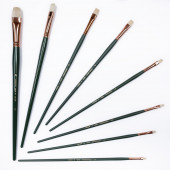
Cornelissen Series 41 Hog Bristle Bright
Starting at: £5.00
Finest quality selected interlocking Chinese white hog hair. Seamless copper ferrule. Green handle. Length approximately 300mm / 370mm depending on size. Learn More -
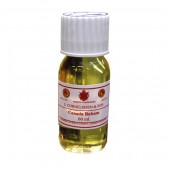
Cornelissen Canada Balsam
Starting at: £39.10
Canada Balsam is an oleoresin, meaning that it is a mixture of essential oils and resin. It comes from the fir tree Abies balsamea, native to Canada and the eastern states of North America. It is notable for its pale colour, clarity and gloss, making it a useful ingredient in recipes for oil-painting mediums.
Learn More -
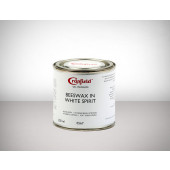
Cranfield (Spectrum) Beeswax in White Spirit
Starting at: £18.55
From the Cranfield website:
A pereparation of pure beeswax in white spirit, this is used to achieve a soft sheen on your finished painting. It will retard drying, allowing you to achieve a range of effects.
Learn More -
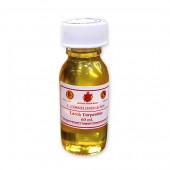
Cornelissen Larch Venice Turpentine
Starting at: £28.80
Venice Trupentine is a thick, resinous liquid extracted from the Larix decidua, a larch tree native to Austria. It can impart luminosity, brilliance and gloss when used in mediums and varnishes, and as such it was highly valued during the Golden Age of painting in Venice. It is a slow-drying balsam, which can be diluted with turpentine or placed in a bath of warm water to aid flow.
Learn More -
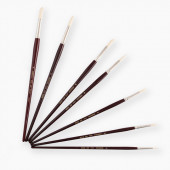
Roberson Series 43B Hog Bristle Round
Starting at: £5.20
Good quality Chinese white interlocking hog hair. Nickel-plated brass seamless ferrule. Maroon handle. Length approximately 300mm / 370mm depending on size. Learn More -
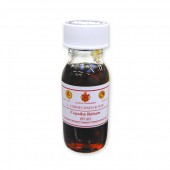
Cornelissen Copaiba Balsam
Starting at: £20.80
Copaiba Balsam comes from the South American tree Copaifera landsdorfii. Its primary function is to improve the appearance of paint layers that may have become dull, brittle or sunken upon drying. It is a viscous liquid that may be diluted with turpentine, but which should not be used in painting mediums.
Learn More -
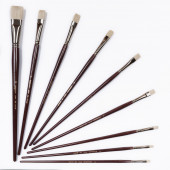
Roberson Series 41B Hog Bristle Bright
Starting at: £5.10
Good quality Chinese white interlocking hog hair. Nickel-plated brass seamless ferrule. Maroon handle. Length approximately 300mm / 370mm depending on size. Learn More -
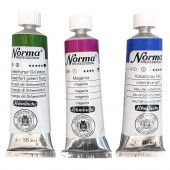
Schmincke Norma Professional 35ml
Starting at: £8.15
Professional grade artist's oil paints. High pigment concentration. High lightfastness. Learn More -
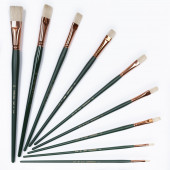
Cornelissen Series 42 Hog Bristle Flat
Starting at: £5.00
Finest quality selected interlocking Chinese white hog hair. Seamless copper ferrule. Green handle. Length approximately 300mm / 370mm depending on size. Learn More
Shopping Options
- Category
-
- Pigments Gums & Resins (53)
- Oils & Acrylics (94)
- Canvas & Supports (5)
- Pastels (2)
- Drawing & Calligraphy (2)
- Gilding & Restoration Materials (9)
- Printmaking (4)
- Brushes (32)
- Paper (2)
- Studio & Books (7)
- Specialist Decorating (1)
- Price
-
- £0.00 - £999.99 (189)
- £1,000.00 and above (1)
- Manufacturer
-
- Arches Aquarelle (1)
- Cornelissen (68)
- Cranfield (3)
- Da Vinci (12)
- Daler-Rowney (6)
- Fabriano (1)
- Gamblin (8)
- Golden (4)
- Lascaux (3)
- Lefranc et Bourgeois (3)
- Liquitex (2)
- Michael Harding (9)
- Omega (6)
- Roberson (37)
- Schmincke (21)
- Winsor&Newton (5)
- Sennelier (1)
You have no items in your shopping basket.

- Search Brands
-