

Search results for 'pigments'


-
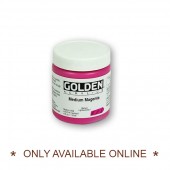
Golden Heavy Body Acrylic 119ml
Starting at: £16.20
The first acrylic colors offered by Golden Acrylic, Heavy Body paints are known for their exceptionally smooth, buttery consistency. The Heavy Body palette includes the largest assortment of unique pure pigments in a 100% acrylic emulsion available to professional artists. These colours offer excellent permanency and light-fastness. There are no fillers, extenders, opacifiers, toners, or dyes added. *Please note, this range is stored offsite. Please allow extra time for your order to be processed and dispatched. Learn More -
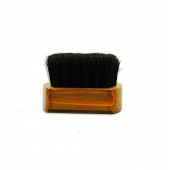
Sosaku Brush 60mm
£18.60Sosaku inking brush for working the pigments and glue paste onto the carved block for printing. These are made from horse hair and are traditionally prepared by splitting and softening the hair on shark-skin or sandpaper before printing. Brushes come in 3 sizes. Learn More -
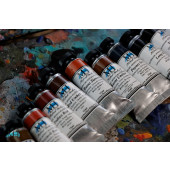
Michael Harding Watercolour 15 ml Tube
Starting at: £13.60
Michael Harding's new range of Professional Watercolours are formulated with the highest pigment concentration possible. A comprehensive range of 136 colours, including historical colours such as Lapis Lazuli and Rose Madder. These watercolours have impressive colour strength, vibrance, clarity, and longevity. Learn More -
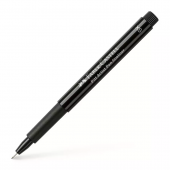
Faber-Castell Pitt Artist Pen Fineliner
Starting at: £3.65
Extremely fade resistant with pigmented drawing ink. Waterpoof and PH neutral. Superfine, fine, medium and brush tips. Sanguin, sepia or black. Learn More -
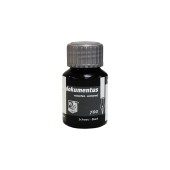
Rohrer and Klingner Dokumentus Ink Black 50ml
£26.20Rohrer and Klingner Dokumentus ink is designed for fountain pens (best with wide nibs) and made specifically for signing official documents which require long term permanence. Dokumentus is made with small diameter micronized pigment and is waterproof and lightfast (unlike most fountain pen inks which are made with dyes and therefore not lightfast over time). Learn More -
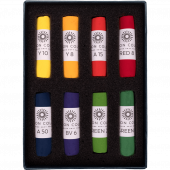
Unison 8 Bright Assorted Pastels
£45.60The Unison Bright 8 set, is specially selected by Unison Colour. This smaller set is a perfect addition to a full set if you want to increase the number of vibrant colours in your collection.
Learn More -
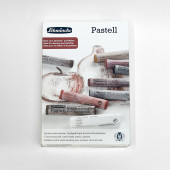
Schmincke Pastel Drawing Set, 9 Pastels and Pad
Regular Price: £55.00
Special Price £40.00
Schmincke Set of 9 hand-made Artists' pastels with Ingres Pastel Paper in a cardboard box.Call us on 020 7636 1045 to arrange free postage and packing with this particular offer. Learn More
-
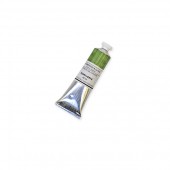
Roberson Artists' Oil Colour 40 ml
Starting at: £9.35
Unlike other commercially available oil paints, Roberson Artists' Oil Colours do not contain any fillers, extenders or stabilisers. Each paint consists solely of high-quality pigment that has been ground into cold pressed linseed oil, resulting in a highly pigmented paint. This strength of colour presents the possibility of greater economy of use and a less homogenised texture between each tube, instead allowing the unique qualities of each individual pigment to reveal themselves. By limiting our range to 59 shades, we dispense with colours that can be easily mixed, creating a focussed palette of intense, lightfast paints that offer limitless combinations.
Available in 40ml and 225ml tubes
Learn More -
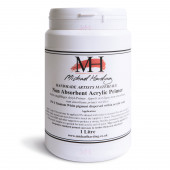
Michael Harding Non Absorbent Acrylic Primer White
Starting at: £21.20
Apply 2 coats. First coat may be applied 25% diluted with water to increase flow and coverage if required. Apply second coat once first coat is touch dry (approx.. 1 hour). This product may be applied to: linen, wood, MDF and other supports to produce a strong, flexible, permanent, highly pigmented white ground. Suitable for as a ground for both acrylic and oil paint. May even be applied over inexpensive standard primed canvases to render them non absorbent! Do not apply over rabbit skin / hide glue or to unsound supports such as cardboard and flimsy supports! Learn More -
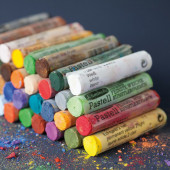
Schmincke Soft Pastels
Starting at: £4.10
Working with Schmincke’s finest extra-soft pastels leads you back to the origin of colour and is a real painting experience rather than simple drawing. They contain only the purest medium fine ground artists’ pigments, which are in the highest possible concentration. Contrastingly, the binding agent content, is kept to a minimum, which ensures a stable compound. In order to guarantee the highest quality it is necessary to manufacture Schmincke pastels using special recipes which avoid the use of machinery. Multiple Discounts: 10+ Pastels 10% SAVING, 30+ Pastels 16% SAVING Learn More -
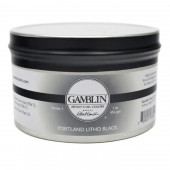
Gamblin Portland Black Litho Ink 1lb
£25.00Artist-grade lithography ink, formulated with high-quality oil and a high pigment load. Learn More -
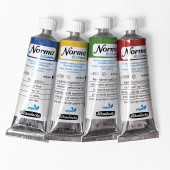
Schmincke Norma Blue 35ml
Starting at: £8.40
Water-mixable (water miscible), highly pigmented, lightfast paints with a buttery consistency. Vegan, low odour, anti-allergenic, environmentally friendly. Learn More -
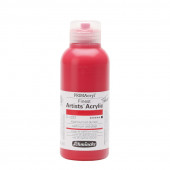
Schmincke PRIMAcryl 250ml
Starting at: £25.30
ONLY AVAILABLE ONLINE[]. Schmincke PRIMAcryl is a high viscosity premium acrylic range. Artists quality high pigment content gives all the shades a new dimension of brilliance and expressiveness. The titanium white is unparalleled. It's high pigmentation, opacity and cover rate enables incredibly brilliant mixtures. No colour shift between the wet and dry states. High lightfastness level either 4 or 5 stars indicates the quality of these premium acrylic paints. All colours do not yellow and the dried paint layers are durable, flexible and water resistant. *Please note, this range is stored offsite. Please allow extra time for your order to be processed and dispatched. Learn More -
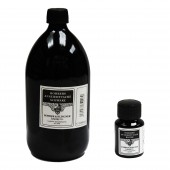
Rohrer & Klingner Black Drawing Ink
Starting at: £7.40
Drawing Ink (series 29 500). A fine, free flowing pigmented ink. Available in gold, silver, black, sepia and bistre lightfast traditional tones in shellac binder. Learn More -
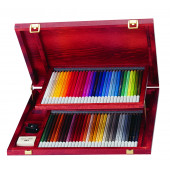
STABILO CarbOthello Pastel Pencil Set of 60 in Wooden Box
£175.00STABILO CarbOthello is a chalk pastel coloured pencil range available in up to 60 colours. With its wonderfully dry and dusty stroke it is just like a chalk pastel in pencil format. It's very popular with artists, art students and people with creative hobbies. Its high pigmentation guarantees great luminosity and opacity as well as colour fastness and colour brilliance especially on dark backgrounds and delicate papers. What's more it can be sharpened to a very fine tip which make it ideal for detail. Colours can be dry mixed and blended which makes colouring more fun and special.
Learn More -
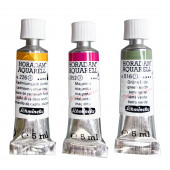
Schmincke Artists Watercolour 5 ml Tube
Starting at: £6.00
Finest quality watercolours made in Germany. This range offers 139 colours, including 95 single-pigment colours, 3 perylene pigments, 5 quinacridone pigments, and a selection of granulating colours. They present endless mixing possibilities, and can combined with Schmincke's selection of watercolour mediums as well as with their gouache paints. The solid colours are produced by pouring the liquid paint into the pans four times, ensuring the maximum yield for each colour. Also available in half and whole pans and 15ml tubes. Learn More -
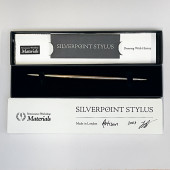
Silverpoint Stylus, Artisan. Renaissance Workshop Materials
£165.00Length 190 mm. For use on prepared paper. Hand-forged in London from silver bullion. Renaissance Workshop Materials are historically authentic drawing materials and tools, which would be recognisable to the artists of Renaissance Europe. Each product is made in the workshop by hand, using historical methods. Each product is borne from the same historical, European craft tradition, as the drawings and artworks from the Renaissance. In the words of the artisan maker, 'We make these materials in order to experience the historical craft and method of drawing in the most authentic way possible.' Learn More -
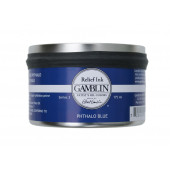
Gamblin Relief Printing Inks 175ml
Starting at: £16.00
Gamblin Relief Inks are formulated for all relief techniques, including woodblock, linocut, monotype, and Solarplate. They contain the right amount of stiffness and tack to hold fine detail yet spread evenly on the block or plate. The palette of ten colors is designed to give artists intense pure pigmented colors straight from the jar, along with a wide range of color mixing capabilities. Gamblin Relief Inks are all bound in the highest quality Burnt Plate Oil. Learn More -
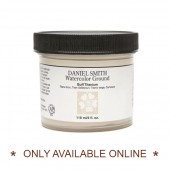
Daniel Smith Watercolour Ground Buff Titanium 4oz
£10.30Buff Titanium is great for value studies and provides a gorgeous, classic-looking surface for work in neutral grays, earthy reds, black and white. *Please note, this product is stored offsite. Please allow extra time for your order to be processed and dispatched. Learn More -
-
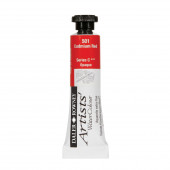
Daler-Rowney Artists Watercolour 5ml Tube
Starting at: £7.10
Artists' Water Colour is a professional quality water colour. Based on the finest modern and traditional pigments, it is precisely formulated to offer unparalleled performance and permanence. Learn More -
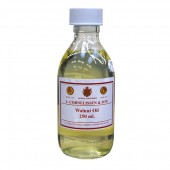
Cornelissen Walnut Oil
Starting at: £8.20
The introduction of Walnut Oil as a pigment binder is contemporaneous with the emergence of Linseed Oil. Their drying properties have been appreciated since the Middle Ages, and throughout history there is evidence of both oils being used alongside each other within the same painting. In fact, until the sixteenth century, it is believed that Walnut Oil was the preferred binding medium among Italian artists. It is made from mature walnut kernals, offering a pale colour and brilliant gloss. For this reason, it is sometimes chosen as a binder for light colours, as it provides a stronger paint film than Poppy Oil, and faster drying times. However, a paint film made from Walnut Oil will tend to be brittle, so it is more suited to a rigid support rather than canvas.
Learn More -
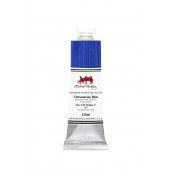
Michael Harding Artists' Oil Colour 225 ml
Starting at: £29.40
Michael Harding Artists’ Oil Colours are formulated to the highest possible standards. They do not include any fillers, extenders or driers and the high pigment content of the paint ensures a greater resistance to fading. We have high stock levels on all Series numbers including 5,6 & 7. Learn More -
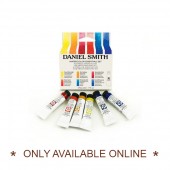
Daniel Smith Watercolour Essentials Set
£36.30The new set has six x 5ml transparent watercolours. The pigments were carefully selected to give you a wide range of colours and values. When mixed together the colours you can create are endless! The Essentials set contains Hansa Yellow Light, New Gamboge, Quinacridone Rose, Pyrrol Scarlet, Phthalo Blue GS, French Ultramarine in 5ml tubes. so you have both cool and warm Yellows, Reds and Blues. *Please note, this product is stored offsite. Please allow extra time for your order to be processed and dispatched. Learn More -
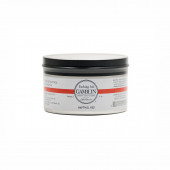
Gamblin Etching Inks 300ml
Starting at: £20.90
Gamblin Etching Inks were formulated at the request of professional printmakers in the Pacific Northwest who wanted strong reliable inks for edition printing. The palette of pure intense pigments offers a broad range of color mixing potential. Learn More -
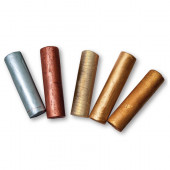
Roberson Metallic Oil Sticks
Starting at: £16.40
Artists' quality metallic oil paint sticks for painting & drawing. Non-tarnishing and highly pigmented, these soft paint sticks are made with an unique mix of mica pigments, oils and waxes which generate a solid metal effect. Easy to use alongside regular oil paint. Blend and shade the colours together to make further shades. Treat as oil paint for surface preparation and clean-up. Learn More -
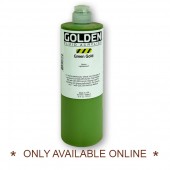
Golden Fluid Acrylic 473ml
Starting at: £46.70
Equal the intensity of GOLDEN Heavy Body Acrylics but with an even, flowing characteristic useful for dry brush application, fine details, pouring, spraying, staining techniques and many others. Fluids are created by loading an acrylic polymer binder with concentrated levels of quality pigments for a wide selection of permanent and lightfast colors. No fillers or extenders are added to achieve the desired consistency, nor is the fluid quality achieved with additional water. GOLDEN Fluid Acrylics have the same pigment load as the Heavy Body Acrylics, but in a viscosity similar to heavy cream. *Please note, this range is stored offsite. Please allow extra time for your order to be processed and dispatched. Learn More -
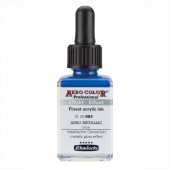
Schmincke Aero Metallic
Starting at: £10.95
For highlights and special effects. High pigmentation, lightfast, can be diluted with water. For use with brushes, fountain pens and dip pens on acrylic and watercolour paper, primed canvas, textured substrates, wood and cardboard. Learn More -
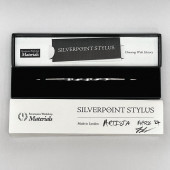
Silverpoint Stylus, Artista. Renaissance Workshop Materials
£195.00Length 170mm. For use on prepared paper. Hand-forged in London from silver bullion. Renaissance Workshop Materials are historically authentic drawing materials and tools, which would be recognisable to the artists of Renaissance Europe. Each product is made in the workshop by hand, using historical methods. Each product is borne from the same historical, European craft tradition, as the drawings and artworks from the Renaissance. In the words of the artisan maker, 'We make these materials in order to experience the historical craft and method of drawing in the most authentic way possible.' Learn More -
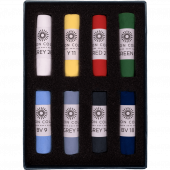
Unison 8 Starter Assorted Pastels
£45.60The Unison classic Starter 8 set, specially selected by John Hersey for a perfect starter pastel set. Unison Colour Soft pastels allow for ease of use with a highly blendable texture.
Learn More
Shopping Options
- Category
-
- Pigments, Gums, Resins (196)
- Oils, Acrylics (49)
- Canvas, Supports (3)
- Watercolour, Gouache, Egg Tempera (34)
- Pastels (19)
- Drawing, Calligraphy (39)
- Gilding, Restoration (14)
- Printmaking (10)
- Studio, Books (30)
- Signwriting, Specialist Decorating (11)
- Gift Vouchers (1)
- Price
-
- £0.00 - £99.99 (325)
- £100.00 - £199.99 (5)
- £200.00 and above (2)
- Manufacturer
-
- Charbonnel (1)
- Cornelissen (175)
- Daler-Rowney (2)
- Daniel Smith (6)
- Faber-Castell (4)
- Gamblin (5)
- Golden (7)
- London Pigment (14)
- Maimeri (1)
- Michael Harding (7)
- Pentel (1)
- Renaissance Workshop Materials (5)
- Roberson (15)
- Rohrer and Klingner (13)
- Schmincke (43)
- Spectrum (1)
- Stabilo (3)
- Winsor&Newton (8)
- Sennelier (4)
You have no items in your shopping basket.

- Search Brands
-