

Search results for '10'


-
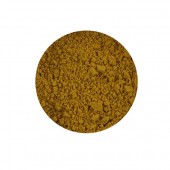
Stil de Grain
Starting at: £12.20
NY13:75640 Stil de Grain is a natural yellow pigment derived from unripe buckthorn berries, which were also once used to produce sap green pigment before the introduction of synthetic alternatives. Stil de Grain may also be known as brown lake, yellow lake, Persian lake, buckthorn lake, Dutch pink, yellow carmine and Italian pink. It has a weak tinting strength, and is very transparent, especially in oil. When mixed with oil, the pigment becomes saturated, darkening considerably in colour and drying very slowly, whereas in a water-based paint it is appears as a warm yellow. It is very fugitive to light, and compatible with all media, except lime. Larger quantities are available by request. Learn More -
-
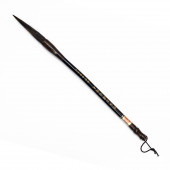
Chinese Brush, Water Badger Hair
£43.35Large, long tipped brush. Ideal for precision work. Learn More -
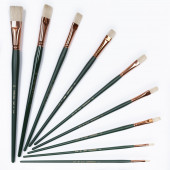
Cornelissen Series 42 Hog Bristle Flat
Starting at: £5.00
Finest quality selected interlocking Chinese white hog hair. Seamless copper ferrule. Green handle. Length approximately 300mm / 370mm depending on size. Learn More -
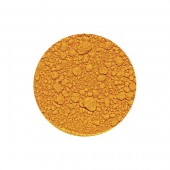
Cadmium Yellow Deep Pigment
Starting at: £7.40
Cadmium Yellow Deep Pigment (PY37). Synthetic Inorganic pigment. Opaque. Good tinting strength. Excellent Lightfastness. Low oil absorption with slow drying rate. Suitable for all media. Good acid and alkali resist. Exterior application not advised as discoloration occurs. Used since 19th Century. Toxicity B/C. Learn More -
-
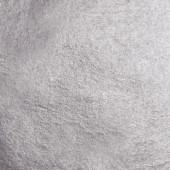
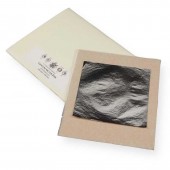
Cornelissen 80 Platinum Leaf
Starting at: £110.50
Platinum Leaf, 80 x 80 mm. Book of 25 leaves. Coverage per book is 0.16 m2 (1.69 sq. feet) Learn More -
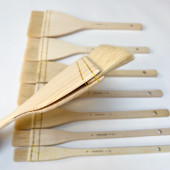
Japanese Hake Brushes
Starting at: £6.00
Made according to traditional Japanese methods. The excellent water-holding capacity of soft goat hair bristles combined with the absence of metal parts make Hake brushes ideal for applying glazes on ceramics and for creating broad washes in watercolour painting. Learn More -
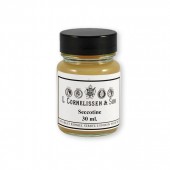
Seccotine 30 ml
£8.50Refined liquid fish glue for use as a size for gilding on paper. It can also be used as a glue for paper and as a binder in gesso for raised illumination. Seccotine is made from the skin of the Atlantic deep sea cod fish. It remains flexible after drying.
Learn More -
-
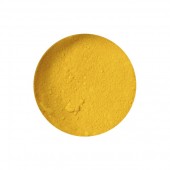
Cadmium Yellow Light Pigment
Starting at: £6.20
Cadmium Yellow Light Pigment (PY37). Synthetic Inorganic pigment. Opaque. Good tinting strength. Excellent Lightfastness. Low oil absorption with slow drying rate. Suitable for all media. Good acid and alkali resist. Exterior application not advised as discoloration occurs. Used since 19th Century. Toxicity B/C. Learn More -
-
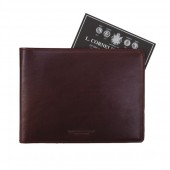
Leather Classic Sketching Pad
Starting at: £77.75
Our Classic Leather Pad comes with an A5 landscape sketchbook of Hahnemuehle paper, which is easily refillable. All of our leather goods are handmade in Spain, and coloured with natural dyes that will fade and age beautifully over time. Please see below to order this in red, green or tan brown, or ring our office to enquire about additional colours that we may have available. Learn More -
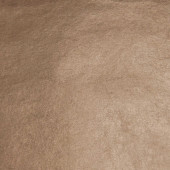
Cornelissen 80 Renaissance Gold 22.5 ct
Starting at: £83.10
Renaissance Gold 22.5 ct, 80 x 80 mm. Book of 25 leaves. Coverage per book is 0.16 m2 (1.69 sq. feet) Learn More -
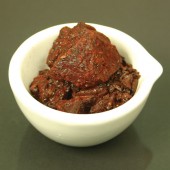
Dragon's Blood Pieces
Starting at: £25.40
Dragon's Blood is a natural, resin, mentioned by Pliny in his Natural History. It has a weak tinting strength, and its rich red colour can be fugitive in direct sunlight. It is fully soluble in alcohol, and can be used to add a warm, transparent tone to spirit varnishes. Also available in powdered form.
Learn More -
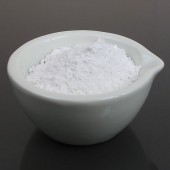
Precipitate Chalk
Starting at: £6.30
Precipitate Chalk is fine and white. For use in aqueous mediums as a ground for oil and tempera paintings. Learn More -
Gesso di Bologna
Starting at: £12.00
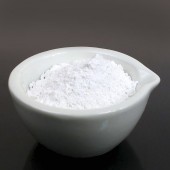
Gesso di Bologna is a bright white Calcium Sulphate, or gypsum, from Italy, which can be used as a substitute for whiting in the preparation of gesso. It is ground to a particularly fine powder, which makes it a suitable ground for gilding, as the small size of the particles allows for greater compression when burnishing. Learn More -
Pearl Lustre Pigments 1 kg
Starting at: £94.00
Call to Order
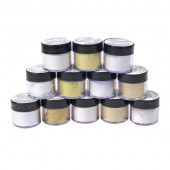
Pearl Lustre Pigments 1 kg. Colour swatch on the left indicates colour on a White Background and Colour on a Black Background on the right. Learn More -
Natural Beeswax
Starting at: £11.20
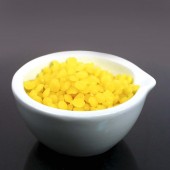
Beeswax is derived from melted honeycomb, and is available in two grades. Bleached Beeswax Pellets are white, having been bleached by the sun, and are an appropriate choice for using with pale colours, although they may revert to yellow over time. Natural Beeswax Pellets are yellow in colour, and offer a more flexible structure with a higher resin content. Beeswax has a melting point of 63-66°c, and may turn brown if over-heated. It is the most widely used wax in artists' materials, having a wide range of applications. Please see below for more details.
Learn More -
-
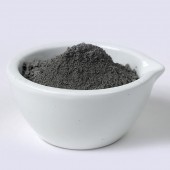
Rottenstone Grey
Starting at: £7.00
Fine abrasive powder used historically for polishing daguerreotype plates. Can be used to age wooden frames and object's d'art. Learn More -
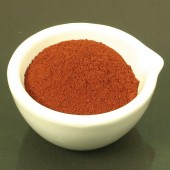
Dragon's Blood Powder
Starting at: £28.10
Dragon's Blood is a natural, resin, mentioned by Pliny in his Natural History. It has a weak tinting strength, and its rich red-colour can be fugitive in direct sunlight. It is fully soluble in alcohol, and can be used to add a warm, transparent tone to spirit varnishes. Also available in lump form.
Learn More -
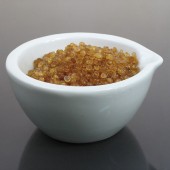
Pearl Glue
Starting at: £6.50
Pearl Glue is a traditional animal-based wood glue made from bone, used for veneering, joinery and antique restoration. 170-200 bloom. Learn More
-
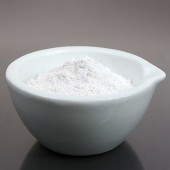
French Chalk
Starting at: £5.50
French Chalk is a term commonly used to describe talcum powder and is also known as talc. This grade is very fine magnesium silicate It is sometimes used as a filler in pastels, to make soft sticks that produce velvety marks as it has a soapy like consistency.
Learn More -
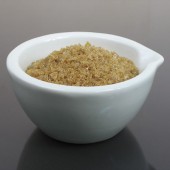
Rabbit Skin Glue
Starting at: £13.00
For sizing canvas prior to priming with an oil based primer. Do not use under acrylic primer. Soak overnight in water. Heat in double boiler (do not boil). Ratio water:size 13:1. Use while still warm. Rabbit Skin Glue does not contain preservatives. 340 - 360 Bloom Learn More
-
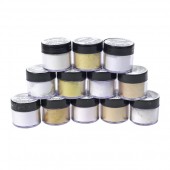
Pearl Lustre Pigments 7g
Starting at: £4.70
Pearl Lustre Pigments 7g. Colour swatch on the left indicates colour on a White Background and Colour on a Black Background on the right. Learn More -
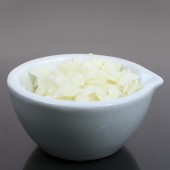
Bleached Beeswax
Starting at: £12.30
Beeswax is derived from melted honeycomb, and is available in two grades. Bleached Beeswax Pellets are white, having been bleached by the sun, and are an appropriate choice for using with pale colours, although they may revert to yellow over time. Natural Beeswax Pellets are yellow in colour, and offer a more flexible structure with a higher resin content. Beeswax has a melting point of 63-66°c, and may turn brown if over-heated. It is the most widely used wax in artists' materials, having a wide range of applications. Please see below for more details.
Learn More -
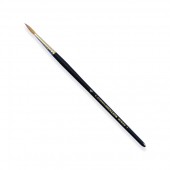
Cornelissen Series 1 Kolinsky Sable Watercolour Brush
Starting at: £11.10
Made from the highest quality Siberian Kolinsky sable. Golden ferrule with short black polished hexagonal handle. Round watercolour brush. Learn More -
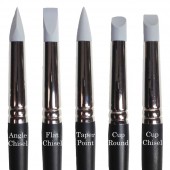
Colour Shapers
Starting at: £6.50
Unique silicone tipped tools for painting heavy mediums such as acrylic and oil paint. Excellent for spreading adhesives and appplying masking fluid. Can be used with Batik and encaustic wax. Available in soft ivory tip and firm grey tip. Learn More -
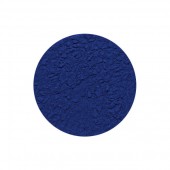
Ultramarine PB29 Pigment
Starting at: £9.10
PB29
Ultramarine Blue is an artificial mineral pigment that is produced by heating clay, soda, sulphur and coal to high temperatures. Its name comes from outremer, or over-the-sea, as a reference to the highly-prized Lapis Lazuli pigment which had been imported into Europe from Afghanistan since the Middle Ages. First manufactured in France and Germany in 1828, synthetic Ultramarine provided a brilliant and affordable blue to artists, and it remains one of the most popular blues on artists' palettes today.
It is a transparent pigment, with a high tinting strength and excellent lightfastness. It reacts to alkali, therefore it is not suitable for use in lime-fresco; we do offer a Limeproof Ultramarine Blue for this purpose. It is stable in all other media, although it can be tricky to grind in oil. Instead of creating a thick, buttery paste, it can remain stringy and deteriorate when stored in a tube. To correct this, many commercial paint manufacturers include additives and waxes in their recipes; if you intend on grinding your own paint, you could try replacing 10-15% of your Linseed Oil with Poppy Oil to improve the consistency. Ultramine Blue provides a slow-drying, fairly hard paint film, which can tend towards brittleness.
Toxicity: B/C
Learn More
Currently Shopping by:
- Manufacturer: Cornelissen Remove This Item
Shopping Options
- Category
-
- Pigments, Gums, Resins (124)
- Oils, Acrylics (2)
- Canvas, Supports (8)
- Watercolour, Gouache, Egg Tempera (3)
- Drawing, Calligraphy (10)
- Gilding, Restoration (38)
- Printmaking (20)
- Brushes (18)
- Paper (6)
- Studio, Books (13)
- Signwriting, Specialist Decorating (6)
- Price
-
- £0.00 - £999.99 (225)
- £1,000.00 - £1,999.99 (1)
- £2,000.00 - £2,999.99 (1)
- £3,000.00 and above (2)
You have no items in your shopping basket.

- Search Brands
-