

Search results for 'en til for'


-
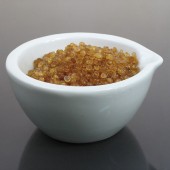
Pearl Glue
Starting at: £6.50
Pearl Glue is a traditional animal-based wood glue made from bone, used for veneering, joinery and antique restoration. 170-200 bloom. Learn More
-
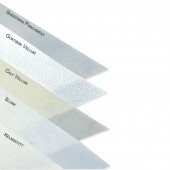
Calf Vellum
Starting at: £16.75
Medium to thick. Both sides useable for writing. Whiter and less translucent than parchment.
Please note: This is a natural product that has been finished and cut by hand. As such, there may be slight variations in the surface and size of each piece.
-
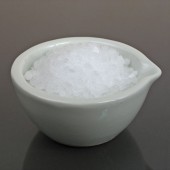
Paraffin Wax
Starting at: £6.60
Paraffin Wax is a by-product of the petro-chemical industry. It has a low melting point of 50-60°c and a brittle texture, making it unsuitable for encaustic painting or as an additive to oil paints, but it can be used to impart softness to lithographic crayons. As a petroleum product, it is more inert than animal or vegetable waxes, and is therefore not saponified (turned into soap) by alkali substances. Learn More -
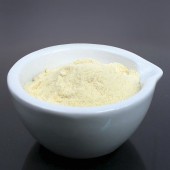
Powdered Rosin
Starting at: £13.90
Rosin is the powdered form of colophony, which is a by-product of the distillation of turpentine. Its primary application is to create tonal areas on metal plates as an aquatint resist. It is also an additive in etching grounds, where it gives a hard surface to the otherwise soft wax. Learn More -
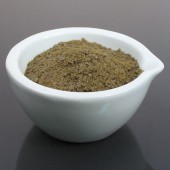
Carnauba Wax Grey
Starting at: £8.40
Carnauba Wax is the hardest wax commonly used in the production of artists' materials, with a melting point of 83-86°c. It is derived from a tree native to South America, and is available in a natural colour (grey), or a refined colour (pale yellow). Small amounts of carnauba wax are commonly used in both oil painting mediums and encaustic painting, usually in conjunction with beeswax to add toughness, durability and sheen to the paint film. It creates an inflexible surface, so works best on rigid supports such as gesso panels, and it should be noted that it will raise the melting point of encaustic mixtures. It can produce a glossy finish; as such it is used in waxes and polishes for shoes, cars, musical instruments, furniture, and wooden floors, especially when mixed with beeswax and turpentine. Learn More -
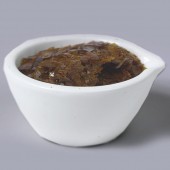
Lemon Shellac
Starting at: £8.20
Shellac is a natural resin that is deposited by the female lac insect on the branches of trees in India and Thailand. It is soluble with alcohol, but not with mineral spirits or turpentine. It forms a tough yet flexible film, with many applications. It is suitable as a top coat for gilding when applied thinly, a sealant for porous surfaces, an isolating layer for tempera paintings, a base for pigmented inks, a protective layer for collograph plates, and a warm varnish for wooden floors and furniture. As it is prone to darkening with age, it is not recommended as a varnish for oils, and its solubility can reduce over time. There are various grades of shellac. When mixed with alcohol, it may initially form a cloudy mixture, due to traces of wax in the shellac, but this should become clear once it has dried. The highest grades of shellac are Clear Dewaxed Shellac, which has been de-coloured using the carbon filtering method, Lemon Shellac, and Orange Shellac, which are pale in colour. Button Shellac is less refined and therefore produces a reddish varnish. It was, in fact, widely used as a red dye before synthetic dyes became available. Learn More -
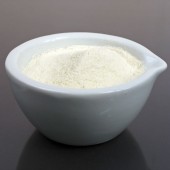
Gum Sandarac
Starting at: £8.60
Gum Sandarac, derived from a coniferous tree, is available in powdered or lump form. It can be dissolved in alcohol to create a varnish that is suitable as an isolating layer in oil painting and as a traditional top coat for egg tempera. It forms a brittle layer, so is only suitable for use on a rigid support. Another application is as a surface preparation for calligraphy; the ground gum can be dusted across a piece of prepared vellum or paper to create a resist, which shrinks ink strokes slightly, making them appear finer, with crisp edges. Learn More -
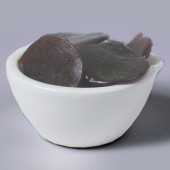
Button Shellac
Starting at: £8.40
Shellac is a natural resin that is deposited by the female lac insect on the branches of trees in India and Thailand. It is soluble with alcohol, but not with mineral spirits or turpentine. It forms a tough yet flexible film, with many applications. It is suitable as a top coat for gilding when applied thinly, a sealant for porous surfaces, an isolating layer for tempera paintings, a base for pigmented inks, a protective layer for collograph plates, and a warm varnish for wooden floors and furniture. As it is prone to darkening with age, it is not recommended as a varnish for oils, and its solubility can reduce over time. There are various grades of shellac. When mixed with alcohol, it may initially form a cloudy mixture, due to traces of wax in the shellac, but this should become clear once it has dried. The highest grades of shellac are Clear Dewaxed Shellac, which has been de-coloured using the carbon filtering method, Lemon Shellac, and Orange Shellac, which are pale in colour. Button Shellac is less refined and therefore produces a reddish varnish. It was, in fact, widely used as a red dye before synthetic dyes became available. Learn More -
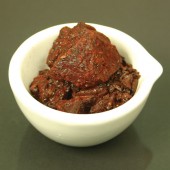
Dragon's Blood Pieces
Starting at: £25.40
Dragon's Blood is a natural, resin, mentioned by Pliny in his Natural History. It has a weak tinting strength, and its rich red colour can be fugitive in direct sunlight. It is fully soluble in alcohol, and can be used to add a warm, transparent tone to spirit varnishes. Also available in powdered form.
Learn More -
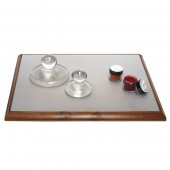
Mixing Slab
Starting at: £24.00
A glass slab with wooden cradle for the grinding of pigments.
The friction created between the sand-blasted surfaces of the glass slab and muller facilitates the thorough mixing of pigment and medium, creating a consistent and strong paint body. This slab can be used to manufacture many types of paint including watercolours, egg tempera and oils.
Mulling is of particular importance when making oil paint; simply mixing pigment and oil together using a palette knife will result in an unstable substance with poor plasticity, which contains a large amount of excess oil and unevenly distributed pigment particles. Thorough mulling in a figure-of-eight motion will enable the pigment to be fully combined into the binder, strengthening the resultant paint film.
PLEASE NOTE: The separate glass slabs are in stock but it is a call to order item due to the fact that we cannot guarantee its safe delivery, however well we package it. Please ring us to discuss your delivery options. In combination with the glass frame, delivery is more secure but we still cannot guarantee a delivery without breakage.
Learn More -
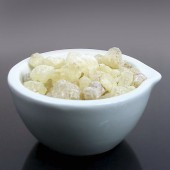
Gum Damar
Starting at: £10.00
Damar is a pale, almost colourless tree resin, which is soluble in turpentine, but not in alcohol or mineral spirits. It can be used as a varnish or as a glossy painting medium in conjunction with vegetable oils, and is generally preferable to other resin-based varnishes, such as mastic varnish, as it retains its colourless appearance for a longer period of time. In encaustic painting, the inclusion of damar resin imparts toughness and gloss to the paint surface. Learn More -
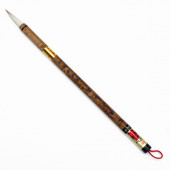
Chinese Brush White Cloud, Goat and Weasel Hair, Small
£6.00Extra strength, 'White Cloud' brush. A versatile brush for painting and calligraphy. 2 cm brush head. Learn More -
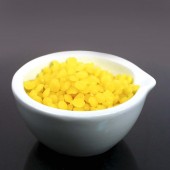
Natural Beeswax
Starting at: £11.20
Beeswax is derived from melted honeycomb, and is available in two grades. Bleached Beeswax Pellets are white, having been bleached by the sun, and are an appropriate choice for using with pale colours, although they may revert to yellow over time. Natural Beeswax Pellets are yellow in colour, and offer a more flexible structure with a higher resin content. Beeswax has a melting point of 63-66°c, and may turn brown if over-heated. It is the most widely used wax in artists' materials, having a wide range of applications. Please see below for more details.
Learn More -
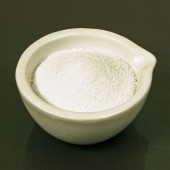
Marble Dust
Starting at: £4.70
Imparts texture when added to acrylic mediums and primers. Can also be used in lime mortar. Available in three different grades: - Coarse (irregular granules); - Medium (mesh size: 16); - Fine (mesh size: 100; most appropriate for use in paint). Learn More -
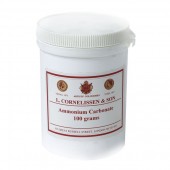
Ammonium Carbonate
Starting at: £9.70
Ammonium Carbonate is a highly Alkaline substance that reacts with the lactic acid present in casein to form a robust binder for tempera paints. It should only be used in a well-ventilated area, please see below for the Material Safety Data Sheet. Learn More -
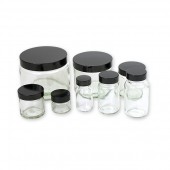
Squat & Powder Jars
Starting at: £0.75
Squat and Powder Jars in glass and plastic. *Please note, our glass jars are fragile, although they are packed very carefully we cannot guarantee they will arrive safely. Cases of jars are stored offsite, please allow extra time for your order to be processed and dispatched. Learn More -
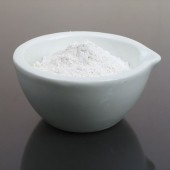
Plaster of Paris
Starting at: £6.00
For moulding when mixed with the same volume of water. Sets quickly and will not shrink. Learn More -
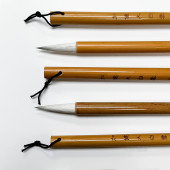
Chinese Brush, White Cloud, Bristle and Goat Hair, Large
£9.90Extra strength, 'White Cloud' brush. A versatile brush for painting and calligraphy. 4 cm brush head. Learn More -
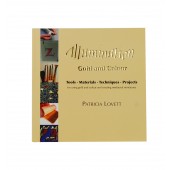
Illumination Gold and Colour Book
£15.00Patricia Lovett is one of the world’s leading authorities on the techniques and practical processes of making mediæval manuscripts. She lectures and teaches all over the world on calligraphy and illumination, and has written about a dozen books on these subjects, as well as producing a DVD – Illumination – Tools, Materials, Techniques, Projects. Patricia has run calligraphy courses as well as those on traditional manuscript gilding and painting techniques, and was awarded an MBE for her services to heritage crafts and calligraphy. This book takes the beginner and those with more experience through step-by-step processes to produce simple and easy projects using cheap metals and modern adhesives, and also to create mediæval miniatures and illuminated scrolls on vellum (animal skin). Learn More -
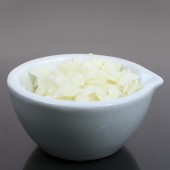
Bleached Beeswax
Starting at: £12.30
Beeswax is derived from melted honeycomb, and is available in two grades. Bleached Beeswax Pellets are white, having been bleached by the sun, and are an appropriate choice for using with pale colours, although they may revert to yellow over time. Natural Beeswax Pellets are yellow in colour, and offer a more flexible structure with a higher resin content. Beeswax has a melting point of 63-66°c, and may turn brown if over-heated. It is the most widely used wax in artists' materials, having a wide range of applications. Please see below for more details.
Learn More -
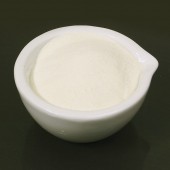
Casein Lactic
Starting at: £17.80
Casein is a protein derived from dried milk, which has been used in painting since ancient times. It can be combined with Ammonium Carbonate to form an emulsion, which acts as a durable, non-resoluble binder for pigments, producing a matte, fast-drying paint, similar in appearance to egg tempera. We use casein as a binder for our L. Cornelissen & Son Pigment Colour Charts, as it is a medium that clearly showcases the characteristics and behaviour of each pigment in its pure form. Casein paints can be applied in thin layers to watercolour paper, but would require a more rigid support, such as a gesso panel, to be applied thickly, as the comparative inflexibility of the paint layer means that it can be prone to cracking. Subsequent layers of paint should be more diluted to aid adhesion, and impasto effects are not recommended. It is possible to varnish casein paintings using an acrylic or damar varnish to obtain a glossy surface if desired, although this is not a necessary step. Casein can also be used as an ingredient in gesso, and is a suitable binder for fresco secco techniques.
Some pigments may require a wetting agent in order to fully disperse within the binder, in which case alcohol may be used.
Learn More -
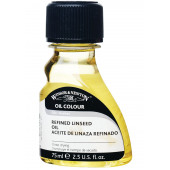
Winsor & Newton Refined Linseed Oil
Starting at: £7.30
From the Winsor & Newton website: Our most popular oil. A low viscosity alkali refined oil of pale colour that dries slowly. Reduces oil colour consistency. Increases gloss and transparency. Add to other oils to slow drying. Learn More -
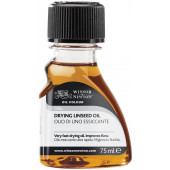
Winsor & Newton Drying Linseed Oil
Starting at: £9.85
From the Winsor & Newton website: Darker than refined Linseed Oil, this oil promotes the fastest drying rate of all the oils, whilst increasing gloss. Improves flow. Increases gloss transparency. Add to other oils to speed drying.
Learn More -
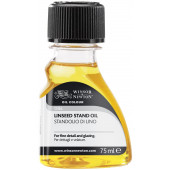
Winsor & Newton Stand Linseed Oil
Starting at: £9.85
From the Winsor & Newton website: A pale viscous oil that slows drying while imparting a tough, smooth enamel finish with no brush marks. Increases film durability. Ideal for glazing and fine detail if mixed with solvent.
Learn More -
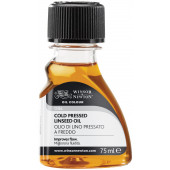
Winsor & Newton Cold Pressed Linseed Oil
Starting at: £9.85
From the Winsor & Newton website: A slightly yellow oil, which is extracted without the use of heat dries slightly quicker than refined linseed oil. Improves flow. Increases gloss & transparency. Reduces consistency and brushstrokes. Ideal for grinding pigments. Learn More -
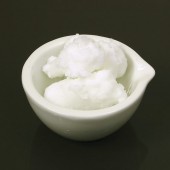
Tallow
Starting at: £34.60
Used in printmaking. Imparts softness and greasiness. An ingredient for producing soft etching ground. Learn More -
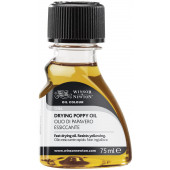
Winsor & Newton Drying Poppy Oil
Starting at: £9.85
From the Winsor & Newton website: A fast-drying, pale oil made from poppy seeds which is well suited for whites and pale colours. Reduces consistency. Increases gloss & transparency. Resists yellowing.
Learn More -
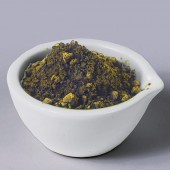
Ferric Chloride
Starting at: £12.00
Ferric chloride is a mordant (corrosive salt) for the etching of metal plates for printing fine art images in intaglio. It can be used as a safer and gentler alternative to nitric acid in the etching process, enabling the printmaker to obtain a high level of accuracy and control over the bite achieved. Suitable for metals such as copper, zinc, and steel.PERMITTED USES Over 18s only. Proof of age required. E-mail: info@cornelissen.com
IMPORTANT Please refer to the MSDS (Material Safety Data Sheet) below. Dispose of product as hazardous waste.
SHIPPING Please note, we are not able to send this product outside the UK. Learn More
-
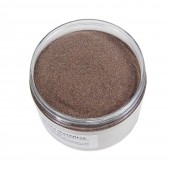
Carborundum Powder
Starting at: £11.50
Carborundum Powder. Grid of coarseness: Fine 120/220, Medium 80/120, Coarse 60/80 Learn More -
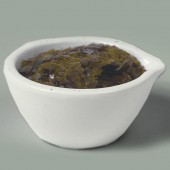
Clear Dewaxed Shellac
Starting at: £9.20
Shellac is a natural resin that is deposited by the female lac insect on the branches of trees in India and Thailand. It is soluble with alcohol, but not with mineral spirits or turpentine. It forms a tough yet flexible film, with many applications. It is suitable as a top coat for gilding when applied thinly, a sealant for porous surfaces, an isolating layer for tempera paintings, a base for pigmented inks, a protective layer for collograph plates, and a warm varnish for wooden floors and furniture. As it is prone to darkening with age, it is not recommended as a varnish for oils, and its solubility can reduce over time. There are various grades of shellac. When mixed with alcohol, it may initially form a cloudy mixture, due to traces of wax in the shellac, but this should become clear once it has dried. The highest grades of shellac are Clear Dewaxed Shellac, which has been de-coloured using the carbon filtering method, Lemon Shellac, and Orange Shellac, which are pale in colour. Button Shellac is less refined and therefore produces a reddish varnish. It was, in fact, widely used as a red dye before synthetic dyes became available. Learn More
Currently Shopping by:
- Manufacturer: Cornelissen Remove This Item
Shopping Options
- Category
-
- Pigments, Gums, Resins (168)
- Oils, Acrylics (16)
- Canvas, Supports (10)
- Watercolour, Gouache, Egg Tempera (11)
- Drawing, Calligraphy (35)
- Gilding, Restoration (79)
- Printmaking (49)
- Brushes (28)
- Paper (8)
- Studio, Books (35)
- Signwriting, Specialist Decorating (9)
- Price
-
- £0.00 - £999.99 (391)
- £1,000.00 - £1,999.99 (1)
- £2,000.00 - £2,999.99 (1)
- £3,000.00 and above (2)
- Color
-
- Green (1)
You have no items in your shopping basket.

- Search Brands
-