

Search results for 'st around'


-
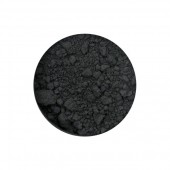
Lamp Black Pigment
Starting at: £6.70
PBk 6
Lamp Black is an inorganic, synthetic, pure carbon pigment. Originally made from soot collected from oil lamps and fireplaces, its modern equivalent is derived from partly combusted mineral and vegetable oil. It is a cool, transparent, bluish black, with a good tinting strength, and stable in all media. It requires a wetting agent, and in oil it has a very high absorption drying very slowly.
Larger quantities are available by request.
Learn More -
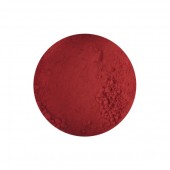
Alizarin Crimson Pigment
Starting at: £4.50
PR83
Alizarin Crimson is a synthetic organic pigment that became available in 1868. It requires a wetting agent to disperse, and in oil it also absorbs a lot of liquid and dries very slowly to form a hard, brittle paint film. It is chemically identical to madder-root pigments and should be protected against UV light where possible as it can fade when applied onto a white ground, although it is less fugitive than its natural counterpart. Alizarin Crimson is a very transparent pigment, with a high tinting strength and slightly blue undertone.
Toxicity: A/B
Larger quantities are available by request.
Learn More -
-
-
-
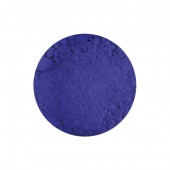
Cobalt Blue Pigment
Starting at: £6.50
PB28
Cobalt Blue is an artificial mineral pigment, produced by the calcination of cobalt oxide and aluminium oxide. It has been widely used since the early 1800s, following its discovery by the French chemist Thenard at the beginning of the century. The name Cobalt has its roots in the German word Kobold, meaning imp or evil spirit. German miners specifically used this name in the late-Middle Ages, as the presence of Cobalt ore in the mines made the extraction of silver very difficult. They were possibly aware of the toxic properties of the mineral frustrating their efforts.
Cobalt remains a very popular colour today, and is present in most ranges of paints, being a semi-transparent pigment that is stable in all media. As a watercolour, all cobalt pigments tend to granulate. As an oil paint, it requires less oil content than most other pigments, and dries quite quickly. Like Cerulean Blue, some artists may choose to bind it with poppy oil, to avoid any possible colour changes brought about by the yellowish cast of linseed oil and the pigment's weak tinting strength.
Limeproof
Toxicity: C
Learn More -
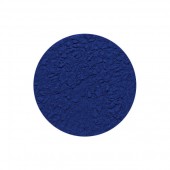
Ultramarine PB29 Pigment
Starting at: £9.10
PB29
Ultramarine Blue is an artificial mineral pigment that is produced by heating clay, soda, sulphur and coal to high temperatures. Its name comes from outremer, or over-the-sea, as a reference to the highly-prized Lapis Lazuli pigment which had been imported into Europe from Afghanistan since the Middle Ages. First manufactured in France and Germany in 1828, synthetic Ultramarine provided a brilliant and affordable blue to artists, and it remains one of the most popular blues on artists' palettes today.
It is a transparent pigment, with a high tinting strength and excellent lightfastness. It reacts to alkali, therefore it is not suitable for use in lime-fresco; we do offer a Limeproof Ultramarine Blue for this purpose. It is stable in all other media, although it can be tricky to grind in oil. Instead of creating a thick, buttery paste, it can remain stringy and deteriorate when stored in a tube. To correct this, many commercial paint manufacturers include additives and waxes in their recipes; if you intend on grinding your own paint, you could try replacing 10-15% of your Linseed Oil with Poppy Oil to improve the consistency. Ultramine Blue provides a slow-drying, fairly hard paint film, which can tend towards brittleness.
Toxicity: B/C
Learn More -
-
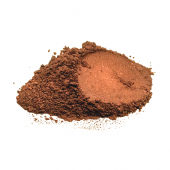
-
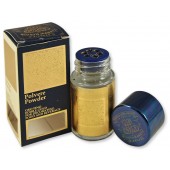
Cornelissen Gold Edible Crumbs 23 carat
£74.90The sprinkles are made by crumbling gold leaves. Can be sprinkled on an type of food. 23 carat gold. 125 mg Learn More -
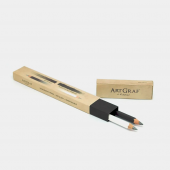
ArtGraf Twin Box 2 soft pencils
£8.60Two large and water-soluble graphite pencils in a special edition box. Learn More -
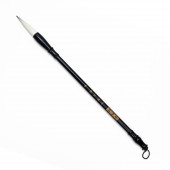
Chinese Brush, Arctic Hare and Goat Hair
£12.50Small, mixed hair brush. Ideal for watercolour painting and loose calligraphy. Learn More -
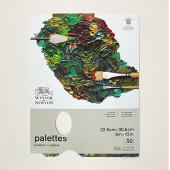
Winsor & Newton Tear-Off Palette, Oil and Acrylic
£10.70Tear-off palette for oil and acrylic 22.9 x 30.5 cm 50 sheets Learn More -
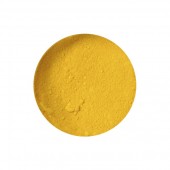
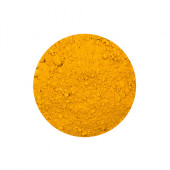
Cadmium Yellow Light Pigment
Starting at: £6.20
Cadmium Yellow Light Pigment (PY37). Synthetic Inorganic pigment. Opaque. Good tinting strength. Excellent Lightfastness. Low oil absorption with slow drying rate. Suitable for all media. Good acid and alkali resist. Exterior application not advised as discoloration occurs. Used since 19th Century. Toxicity B/C. Learn More -
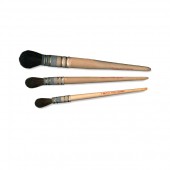
Cornelissen Squirrel Mop
Starting at: £23.40
Traditional high quality soft hair mops with considerable colour carrying capacity. Useful for laying down large washes. Also used by gilders for tamping down gold leaf and for dusting. Learn More -
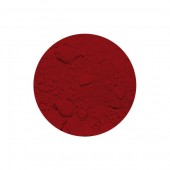
Cadmium Red Deep Pigment
Starting at: £15.00
PR108
Cadmium Red Deep is a synthetic organic pigment, which has been in use since the 1920s, effectively replacing vermilion. It is formed by heating cadmium sulphide and selenium, the hue is determined by the level of calcination and proportion of selenium. It is very opaque, and lightfast, with a high tinting strength. It absorbs a small amount of oil, and dries very slowly to form a hard, flexible paint film.
Larger quantities are available by request.
Limeproof
Toxicity: C
Learn More -
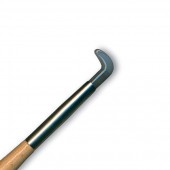
-
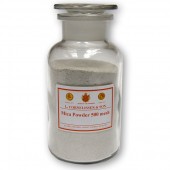
-
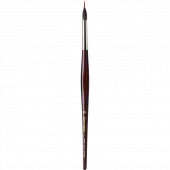
da Vinci Series 5519 Squirrel/Sable Liner
Starting at: £24.50
Unusual combination of squirrel body and red sable tip facilitating the painting of long continuous lines. Learn More -
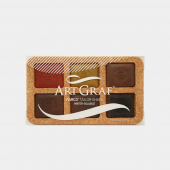
ArtGraf Tailor Shape Set of 6
£47.70Inspired by traditional tailor’s chalk block, prepared for drawing and painting. Water soluble and extremely soft, the set contains 6 traditional earth colours: sanguine, sepia, dark brown, brown, ochre and carbon black Learn More -
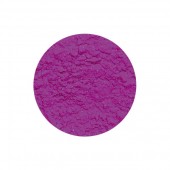
Cobalt Violet Light Pigment
Starting at: £10.00
Cobalt Violet Light Pigment (PV14). Synthetic inorganic pigment. Semi-opaque. Weak tinting strength. Excellent Lightfastness. Fast drying rate. Good for oil and watercolour but not acrylic as pigment 'settles out'. Used since early 1900's. This colour cannot be matched through mixing other colours.
Limeproof
Toxicity: C
Please note, unfortunately we are not able to send this product outside the UK.
Learn More -
-
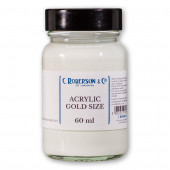
Roberson Acrylic Gold Size
Starting at: £9.40
Easy to use acrylic gold size. Ready for gilding in 15-20 minutes. 1-2 days open time. Learn More -
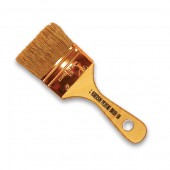
Roberson Priming Brush
Starting at: £8.90
Selected short hog hair. Economical brush for a wide variety of priming uses. Learn More -
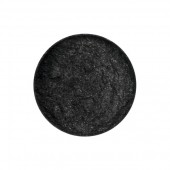
Graphite Powder (Sri Lanka)
Starting at: £5.50
PBk10
Graphite powder is an allotropic form of pure carbon, ground to 200 mesh. It is transparent and lightfast, with a slight sheen. It can be applied directly onto a paper support.
Larger quantities are available by request. This variety of graphite is a naturally occurring material sourced from Sri Lanka.
Toxicity: A/B
Learn More -
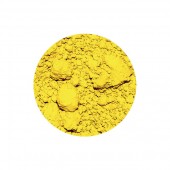
Cobalt Yellow Pigment
Starting at: £8.80
Cobalt Yellow Pigment, Aureolin (PY40). Synthetic Inorganic pigment (Potassium Cobaltinitrate). Transparent. Good tinting strength. Very good Lightfastness. Medium to high oil absorption. Suitable for all media except Lime-fresco. Used since mid 19th Century. Toxicity C.
Please note, unfortunately we are not able to send this product outside the UK.
Learn More -
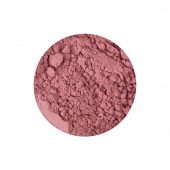
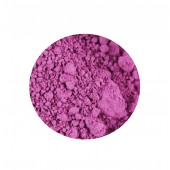
Potters Pink Pigment
Starting at: £22.00
PR233
Potter's Pink is an artificial mineral pigment produced by roasting tin oxide with various other oxides. It was first discovered in the pottery region of Staffordshire in the late-1700s, and in the following century Winsor & Newton introduced Potter's Pink into their watercolour range under the name "pink colour". It went on to become a popular addition to watercolour palettes, offering an opaque, lightfast colour with a weak tinting strength and a medium level of oil absorption.
Toxicity A
Learn More -
-
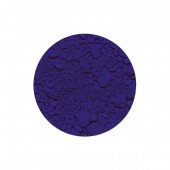
Ultramarine Blue Light Pigment
Starting at: £6.00
PB29
Ultramarine Blue Light is an artificial mineral pigment that is produced by heating clay, soda, sulphur and coal to high temperatures. Its name comes from outremer, or over-the-sea, as a reference to the highly-prized Lapis Lazuli pigment which had been imported into Europe from Afghanistan since the Middle Ages. First manufactured in France and Germany in 1828, synthetic Ultramarine provided a brilliant and affordable blue to artists, and it remains one of the most popular blues on artists' palettes today.
It is a transparent pigment, with a high tinting strength and excellent lightfastness. It reacts to alkali, therefore it is not suitable for use in lime-fresco; we do offer a Limeproof Ultramarine Blue for this purpose. It is stable in all other media, although it can be tricky to grind in oil. Instead of creating a thick, buttery paste, it can remain stringy and deteriorate when stored in a tube. To correct this, many commercial paint manufacturers include additives and waxes in their recipes; if you intend on grinding your own paint, you could try replacing 10-15% of your Linseed Oil with Poppy Oil to improve the consistency. Ultramine Blue provides a slow-drying, fairly hard paint film, which can tend towards brittleness.
Toxicity B
Learn More -
Shopping Options
- Category
-
- Pigments, Gums, Resins (176)
- Oils, Acrylics (173)
- Canvas, Supports (29)
- Watercolour, Gouache, Egg Tempera (98)
- Pastels (92)
- Drawing, Calligraphy (177)
- Gilding, Restoration (171)
- Printmaking (115)
- Brushes (105)
- Paper (44)
- Studio, Books (122)
- Signwriting, Specialist Decorating (45)
- Gift Vouchers (1)
- Price
-
- £0.00 - £999.99 (1139)
- £1,000.00 - £1,999.99 (3)
- £2,000.00 - £2,999.99 (3)
- £3,000.00 - £3,999.99 (1)
- £4,000.00 and above (1)
- Manufacturer
-
- Arches Aquarelle (1)
- ArtGraf (18)
- Automatic Pens (3)
- Bockingford (1)
- Brause (2)
- Canson (3)
- Charbonnel (12)
- Cornelissen (393)
- Cranfield (2)
- Creta (1)
- Da Vinci (35)
- Daler-Rowney (18)
- Daniel Smith (9)
- Daylight (1)
- e+m (8)
- Ecobra (1)
- Faber-Castell (21)
- Fabriano (10)
- Gamblin (16)
- Gillot (3)
- Golden (6)
- Hahnemuhle (4)
- Khadi (2)
- Kölner (4)
- Korns (2)
- Lascaux (20)
- Lefranc et Bourgeois (5)
- Liquitex (7)
- London Pigment (13)
- Maimeri (7)
- Michael Harding (16)
- Milliput (1)
- Mitchell (2)
- Old Holland (1)
- Omega (11)
- Pelikan (3)
- Pentel (1)
- Pfeil (5)
- Pilot (3)
- Pro Arte (7)
- Raphael (1)
- Rapid (5)
- Rembrandt (10)
- Renaissance Workshop Materials (6)
- Roberson (100)
- Rohrer and Klingner (17)
- Saunders Waterford (1)
- Schmincke (112)
- Sinopia (1)
- Somerset (1)
- Spectrum (2)
- Stabilo (7)
- Staedtler (9)
- Unison (17)
- Winsor&Newton (35)
- Factis (1)
- Swann Morton (2)
- Talens (2)
- Sennelier (35)
- Color
You have no items in your shopping basket.

- Search Brands
-