

Search results for '10'


-
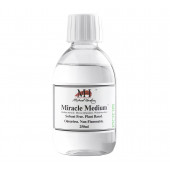
Michael Harding Miracle Medium
Starting at: £12.00
MM0 Miracle Medium is a solvent-free, odourless, vegan, and plant-based Medium that serves as an alternative to traditional turpentine. This medium offers artists a natural and sustainable option for thinning oil paints, cleaning brushes, and glazing (see our MM2 Quick Dry Dammar Varnish Miracle Medium) without the use of harsh chemicals or toxic fumes. CAN EXTEND DRYING TIME. ADD 5-10% TO OIL COLOUR AS NEEDED. Oil paint artists use MM0 Miracle Medium in several ways: Artists may dip their brush in MM0 Miracle Medium before applying it to the paint to achieve the desired consistency. Clean brushes: MM0 Miracle Medium can be used to clean oil paint brushes. After painting, artists may rinse their brushes in MM0 Miracle Medium to remove excess paint and then wash the brushes with soap and water – Use as a painting medium to mix with oil paints, enhancing flow and transparency – Clean brushes by dipping them in the medium and wiping them clean. – Dilute or thin oil paints without the use of traditional solvents. – CAN EXTEND DRYING TIME. ADD 5-10% TO OIL COLOUR AS NEEDED. – Available in 100ml, 250ml and 1 Litre. Learn More -
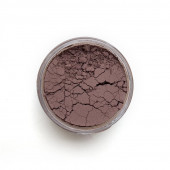
Caput Mortuum Pigment
Starting at: £4.50
Caput Mortuum is a transparent, lightfast pigment that is stable in all media. Colours described as Caput Mortuum can vary greatly; our pigment is a soft purple-brown, made from a mixture of natural iron oxides. It is believed that Caput Mortuum has its roots in ancient Egypt, when colour was derived from remains that had been embalmed in asphaltum.
Toxicity B
Learn More -
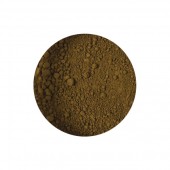
Raw Umber Pigment
Starting at: £4.00
PBr7
Raw Umber is a natural earth pigment composed of iron oxide, manganese, and aluminium silicate. It has its roots in the Umbria region of Italy, and was historically a popular colour for underpaintings, as it dries very quickly. It is semi-opaque, very lightfast, and stable in all media but may be difficult to disperse in acrylic. It requires a large amount of liquid when mixed with oil.
Toxicity: B
Learn More -
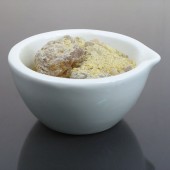
Gum Copal Manila
Starting at: £6.00
Gum Copal Manila is derived from the resin of a coniferous tree native to the Philippines. It is not to be confused with other copals, which are the product of fossilised plant materials. It can be dissolved in alcohol to make a spirit varnish, to be used as a substitute for shellac, or as a fixative for pastel and charcoal drawings. Please note, that when used as a fixative it may darken the colour of the image. Learn More -
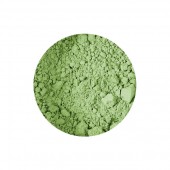
Terre Verte Pigment
Starting at: £4.00
Terre Verte, sometimes known as Green Earth, is a natural earth pigment derived from clay coloured by iron silicate. As with other natural pigments, impurities can prevent it from fully dispersing in an acrylic binder, although it is a popular pigment in all other mediums. It has been in use since antiquity, providing excellent lightfastness and great transparency, with a low tinting strength. It requires a high volume of oil, and dries slowly to create a soft, flexible paint film. When calcined, Terre Verte becomes Burnt Green Earth.
Toxicity B Learn More -
-
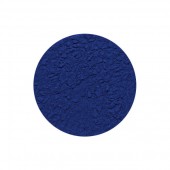
Ultramarine PB29 Pigment
Starting at: £9.10
PB29
Ultramarine Blue is an artificial mineral pigment that is produced by heating clay, soda, sulphur and coal to high temperatures. Its name comes from outremer, or over-the-sea, as a reference to the highly-prized Lapis Lazuli pigment which had been imported into Europe from Afghanistan since the Middle Ages. First manufactured in France and Germany in 1828, synthetic Ultramarine provided a brilliant and affordable blue to artists, and it remains one of the most popular blues on artists' palettes today.
It is a transparent pigment, with a high tinting strength and excellent lightfastness. It reacts to alkali, therefore it is not suitable for use in lime-fresco; we do offer a Limeproof Ultramarine Blue for this purpose. It is stable in all other media, although it can be tricky to grind in oil. Instead of creating a thick, buttery paste, it can remain stringy and deteriorate when stored in a tube. To correct this, many commercial paint manufacturers include additives and waxes in their recipes; if you intend on grinding your own paint, you could try replacing 10-15% of your Linseed Oil with Poppy Oil to improve the consistency. Ultramine Blue provides a slow-drying, fairly hard paint film, which can tend towards brittleness.
Toxicity: B/C
Learn More -
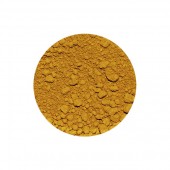
Golden Ochre Pigment
Starting at: £4.50
PY43 Golden Ochre is a natural earth pigment, somewhat darker than Yellow Ochre. It is a semi-transparent, lightfast pigment, that is stable in all media. It has a medium to slow drying rate in oil, creating a tough, flexible paint film. Toxicity: B Limeproof Learn More -
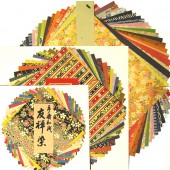
Japanese Origami Sets
Starting at: £10.55
Each set contains 24 square pieces of assorted plain coloured and patterned origami paper. Learn More -
Raw Sienna Pigment
Starting at: £4.00
PBr7
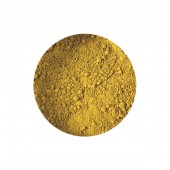
Raw Sienna is a natural earth pigment that dates back to antiquity. Our Raw Sienna comes from areas of Tuscany where the earth has been coloured by iron-rich minerals. It provides a good tinting strength, excellent lightfastness, and a fast to medium drying rate in oil. It is stable in all media but, like umber pigments, can be difficult to disperse in an acrylic binder. It is similar in composition to Yellow Ochre, but whereas Yellow Ochre contains a higher proportion of clay, Raw Sienna contains a higher proportion of silica. As a natural material, the exact colour and qualities of the resultant pigments can vary, but generally this difference creates a paler, more opaque Yellow Ochre, and a darker, more transparent Raw Sienna.
Toxicity: B
Learn More -
Cadmium Green Pigment
Starting at: £4.50
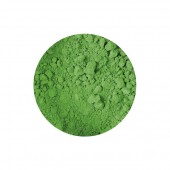
Cadmium Green is an artificial mineral pigment, a mixture of Cobalt and Cadmium Yellow. It is an opaque, lightfast, slow-drying pigment with a high tinting strength.
Toxicity C
Learn More -
-
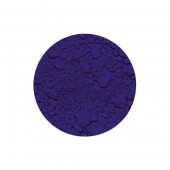
Ultramarine Blue Light Pigment
Starting at: £6.00
PB29
Ultramarine Blue Light is an artificial mineral pigment that is produced by heating clay, soda, sulphur and coal to high temperatures. Its name comes from outremer, or over-the-sea, as a reference to the highly-prized Lapis Lazuli pigment which had been imported into Europe from Afghanistan since the Middle Ages. First manufactured in France and Germany in 1828, synthetic Ultramarine provided a brilliant and affordable blue to artists, and it remains one of the most popular blues on artists' palettes today.
It is a transparent pigment, with a high tinting strength and excellent lightfastness. It reacts to alkali, therefore it is not suitable for use in lime-fresco; we do offer a Limeproof Ultramarine Blue for this purpose. It is stable in all other media, although it can be tricky to grind in oil. Instead of creating a thick, buttery paste, it can remain stringy and deteriorate when stored in a tube. To correct this, many commercial paint manufacturers include additives and waxes in their recipes; if you intend on grinding your own paint, you could try replacing 10-15% of your Linseed Oil with Poppy Oil to improve the consistency. Ultramine Blue provides a slow-drying, fairly hard paint film, which can tend towards brittleness.
Toxicity B
Learn More -
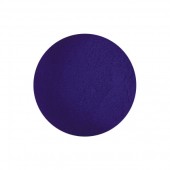
Prussian Blue Pigment
Starting at: £5.20
PB27
Prussian Blue is a synthetic organic pigment that was discovered by the paint maker Diesbach, apparently by accident, in Germany in the early eighteenth century. For many years, it was used not only as a colour in its own right, but also as a component of the original Hooker's Green. The other ingredient, gamboge, is highly fugitive, which is why many watercolours painted with Hooker's green have taken on a bluish tone with with age.
It is a very transparent and heavily staining colour. It dries quite quickly in oil, and can therefore wrinkly if applied too quickly. It is suitable for use in oils, watercolour, and egg tempera. However, it shouldn't be used in conjunction with alkali substances, such as Lead White or Calcium Carbonate as it can turn brown, so it isn't suitable for fresco. For the same reason, it isn't used with acrylic resin binders due to their alkaline nature, so most paint manufacturers will replace Prussian Blue with a mixture of Phthalo Blue and black in their acrylic ranges. It requires a wetting agent to fully disperse into a binder.
Toxicity: B
Learn More -
-
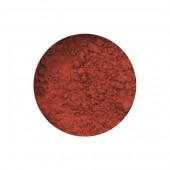
Venetian Red Pigment
Starting at: £4.60
Venetian Red Pigment (PR101). Iron oxide and chalk. Semi-transparent and very lightfast. Stable in all media.
Limeproof
Toxicity: B
Learn More -
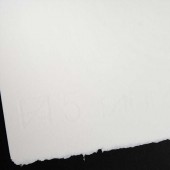
Fabriano 5 Paper
Starting at: £2.55
Fabriano 5 paper is mould made and 50% cotton. Available in hot pressed and cold pressed surfaces. Surface sized and acid free. Learn More -
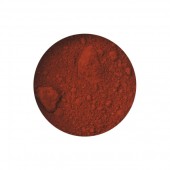
Translucent Orange Oxide Pigment
Starting at: £13.00
Translucent Orange Oxide (PR101). Artificial mineral pigment, hydrated ferric oxides. Transparent and very lightfast. Stable in all media, medium drying rate in oil. Toxicity B. Learn More -
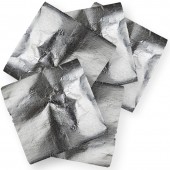
Cornelissen Aluminium Leaf Bulk Packs
Starting at: £16.00
Cornelissen Aluminium Leaf Bulk Packs Learn More -
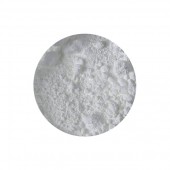
Zinc White Pigment
Starting at: £4.00
Zinc White, or Zinc Oxide, is an artificial mineral pigment that was first produced in France in the late 18th century. Its use in commercial watercolours as Chinese White pre-dates its inclusion in oil painting. It is a semi-opaque, lightfast pigment, which dries very slowly in oil. Of all white pigments, it produces the most brittle paint film, so is not recommended in large quantities for impasto techniques. However, it is a good addition to a palette which requires a less overwhelming white than Titanium White.
Toxicity: B
Learn More -
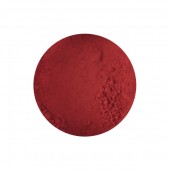
Alizarin Crimson Pigment
Starting at: £4.50
PR83
Alizarin Crimson is a synthetic organic pigment that became available in 1868. It requires a wetting agent to disperse, and in oil it also absorbs a lot of liquid and dries very slowly to form a hard, brittle paint film. It is chemically identical to madder-root pigments and should be protected against UV light where possible as it can fade when applied onto a white ground, although it is less fugitive than its natural counterpart. Alizarin Crimson is a very transparent pigment, with a high tinting strength and slightly blue undertone.
Toxicity: A/B
Larger quantities are available by request.
Learn More -
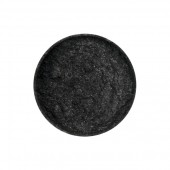
Carbon Black Pigment
Starting at: £10.80
PBk7
Carbon Black is an inorganic synthetic pigment, created by burning natural gases to form an almost pure carbon. It is semi-transparent, and in oil dries very slowly to a soft, brittle paint film. It requires a wetting agent, and can show in streaks, even when mixed with other colours.
Larger quantities are available by request.
Learn More -
-
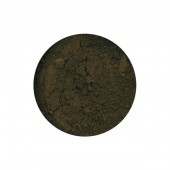
Raw Umber Greenish Pigment
Starting at: £4.80
PBr7
Raw Umber Greenish is a natural earth pigment composed of iron oxide, manganese, and aluminium silicate. It has its roots in the Umbria region of Italy, and was historically a popular colour for underpaintings, as it dries very quickly. It is semi-opaque, very lightfast, and stable in all media but may be difficult to disperse in acrylic. It requires a large amount of liquid when mixed with oil.
Toxicity: B
Learn More -
-
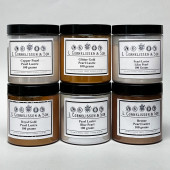
Cornelissen Pearl Lustre Pigments 100g
Starting at: £12.90
Pearl Lustre Pigments 100g. Colour swatch on the left indicates colour on a White Background and Colour on a Black Background on the right. Learn More -
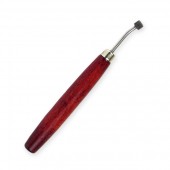
Lyons Angled-Shaft Roulette Wheels
Starting at: £40.00
Made of high-carbon tool-steel, Lyons roulettes produce regular line or dot patterns on metal plates, enabling the printmaker to add texture and shading to their image. The higher the number, the denser the lines or dots will be: 45 (coarse), 85 (medium), 100 (fine) and 120 (extra fine). Total length: 12.5 cm. Learn More -
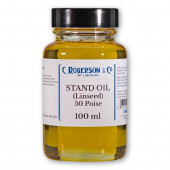
Roberson Linseed Stand Oil
Starting at: £10.50
Linseed Oil is derived from flax seeds, and appears on our shelves in many guises: Cold Pressed, Refined, Stand Oil, and as a key ingredient in many mediums. It has been appreciated for its drying properties since the Medieval period, and has become the most popular oil used in painting today due to the strong, flexible and glossy film that it creates.
Stand Oil is paler and more viscous than other Linseed Oils, having been heated and kept at temperature to provoke a molecular change. It is not suitable for grinding colours, but it is a very versatile ingredient that can be thinned with turpentine to create a glazing medium or be included in a varnish. Stand Oil is notable for its ability to smooth out brush strokes to create an enamel-like surface.
Learn More -
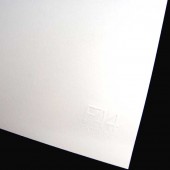
Fabriano 4 Cartridge Paper
Starting at: £31.30
Fabriano 4 Cartridge paper in bright white shade. Available in either smooth or not surfaces. Woodfree. Pack quantity 25 sheets. Learn More -
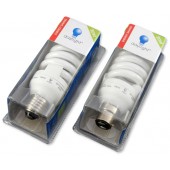
Daylight Bulbs
Starting at: £11.50
Energy saving daylight bulbs consume 80% less energy than incandescent bulbs and last up to ten times longer. The bulbs assist colour matching for those working at night or in weak winter light. They also reduce eye strain and low heat technology means they are extremely safe. Screw or bayonet fittings. Learn More
Shopping Options
- Category
-
- Pigments, Gums, Resins (127)
- Oils, Acrylics (86)
- Canvas, Supports (16)
- Watercolour, Gouache, Egg Tempera (63)
- Pastels (18)
- Drawing, Calligraphy (99)
- Gilding, Restoration (59)
- Printmaking (60)
- Brushes (75)
- Paper (68)
- Studio, Books (34)
- Signwriting, Specialist Decorating (26)
- Gift Vouchers (1)
- Price
-
- £0.00 - £999.99 (660)
- £1,000.00 - £1,999.99 (1)
- £2,000.00 - £2,999.99 (1)
- £3,000.00 and above (2)
- Manufacturer
-
- Arches Aquarelle (5)
- ArtGraf (4)
- Automatic Pens (3)
- Bockingford (3)
- Brause (4)
- Canson (5)
- Charbonnel (5)
- Cornelissen (229)
- Da Vinci (22)
- Daler-Rowney (11)
- Daniel Smith (4)
- Daylight (1)
- e+m (1)
- Faber-Castell (10)
- Fabriano (21)
- Gamblin (6)
- Gillot (2)
- Golden (8)
- Hahnemuhle (2)
- Khadi (5)
- Kölner (2)
- Korns (3)
- Lascaux (1)
- Lefranc et Bourgeois (2)
- Liquitex (14)
- London Pigment (1)
- Maimeri (1)
- Michael Harding (12)
- Mitchell (7)
- Old Holland (2)
- Omega (12)
- Pelikan (3)
- Pentel (1)
- Pfeil (3)
- Pilot (4)
- Pro Arte (6)
- Raphael (1)
- Rembrandt (1)
- Renaissance Workshop Materials (2)
- Roberson (51)
- Rohrer and Klingner (17)
- Saunders Waterford (3)
- Schmincke (65)
- Snowdon (1)
- Somerset (2)
- Spectrum (1)
- Stabilo (3)
- Staedtler (6)
- Unison (3)
- Winsor&Newton (24)
- Factis (1)
- Swann Morton (2)
- Sennelier (15)
- Color
-
- Black (1)
You have no items in your shopping basket.

- Search Brands
-