

Search results for 'pigments'


-
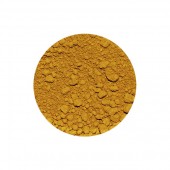
Golden Ochre Pigment
Starting at: £4.50
PY43 Golden Ochre is a natural earth pigment, somewhat darker than Yellow Ochre. It is a semi-transparent, lightfast pigment, that is stable in all media. It has a medium to slow drying rate in oil, creating a tough, flexible paint film. Toxicity: B Limeproof Learn More -
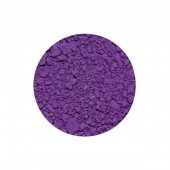
Ultramarine Violet Pigment
Starting at: £6.20
PV15
Ultramarine Violet is a synthetic organic pigment that is produced by heating Ultramarine Blue with Ammonium Chloride, causing the removal of some of the sodium and sulphur and thus a change in colour. It is lightfast and semi-transparent, with a weak tinting strength. In oils, it dries quite slowly, forming a hard, flexible film.
Toxicity: B
Learn More -
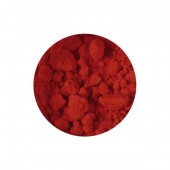
Cadmium Red Pigment
Starting at: £8.40
PR108
Cadmium Red is a synthetic organic pigment, which has been in use since the 1920s, effectively replacing vermilion. It is formed by heating cadmium sulphide and selenium, the hue is determined by the level of calcination and proportion of selenium. It is very opaque, and lightfast, with a high tinting strength. It absorbs a small amount of oil, and dries very slowly to form a hard, flexible paint film.
Larger quantities are available by request.
Limeproof
Toxicity: C
Learn More -
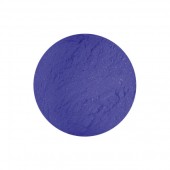
Smalt Dark Pigment
Starting at: £5.30
PB32
Smalt is a kind of cobalt blue glass or frit, and its use as a pigment dates from the 1600s in the glass-making regions of Saxony. We offer two shades, light and dark, which are determined by the particle size of the pigment; the more finely ground the powder, the paler the colour. Before the introduction of Ultramarine Blue, Smalt was available in a wide variety of grades. It is a very transparent pigment, which is easily overwhelmed in mixtures due to its weak tinting strength. It works best in water based media. When ground in oil, it can become almost invisible in dried oil-paint films because its refractive index is so close to that of linseed oil.
Larger quantities are available by request.
Learn More -
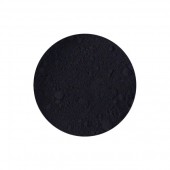
Spinel Black Pigment
Starting at: £8.00
Spinel Black is a synthetic mixed-metal oxide pigment. It provides a deep, cool, transparent black, which dries quickly in oil.
Toxicity: C
Learn More -
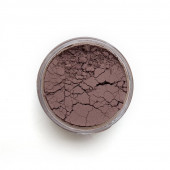
Caput Mortuum Pigment
Starting at: £4.50
Caput Mortuum is a transparent, lightfast pigment that is stable in all media. Colours described as Caput Mortuum can vary greatly; our pigment is a soft purple-brown, made from a mixture of natural iron oxides. It is believed that Caput Mortuum has its roots in ancient Egypt, when colour was derived from remains that had been embalmed in asphaltum.
Toxicity B
Learn More -
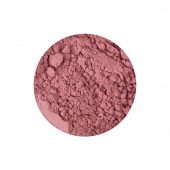
Potters Pink Pigment
Starting at: £22.00
PR233
Potter's Pink is an artificial mineral pigment produced by roasting tin oxide with various other oxides. It was first discovered in the pottery region of Staffordshire in the late-1700s, and in the following century Winsor & Newton introduced Potter's Pink into their watercolour range under the name "pink colour". It went on to become a popular addition to watercolour palettes, offering an opaque, lightfast colour with a weak tinting strength and a medium level of oil absorption.
Toxicity A
Learn More -
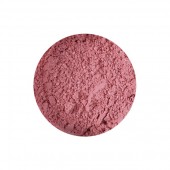
Rose Madder Genuine Pigment
Starting at: £15.80
NR9 Rose Madder is an alizarin lake pigment made by precipitating dye extracted from madder root onto an inert base. It has largely been replaced by synthetic alizarin pigments, but it is still used as an ingredient in some commercially-available paints. It provides a very transparent pigment, with a weak tinting strength, which can be used in all lime-free media, although it is very slow-drying in oil. It is fugitive to sunlight, so paintings containing Madder should be stored appropriately, but it remains one of the most lightfast plant-based pigments. It requires a wetting agent to aid dispersion. Larger quantities are available by request Learn More -
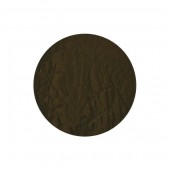
Van Dyke Brown Pigment
Starting at: £4.50
Van Dyke Brown pigment is know for its poor lightfastness and instability in all mediums. Our Van Dyke Brown, also known as Cassel Earth, offers the same dark brown colour and transparency as the traditional pigment, but without the drawbacks usually associated with its longevity and use. It is made from lignite, or brown coal, from the Alsace region in France.
Toxicity: B
Learn More -
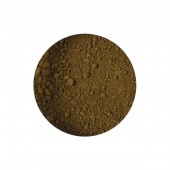
Raw Umber Pigment
Starting at: £4.00
PBr7
Raw Umber is a natural earth pigment composed of iron oxide, manganese, and aluminium silicate. It has its roots in the Umbria region of Italy, and was historically a popular colour for underpaintings, as it dries very quickly. It is semi-opaque, very lightfast, and stable in all media but may be difficult to disperse in acrylic. It requires a large amount of liquid when mixed with oil.
Toxicity: B
Learn More -
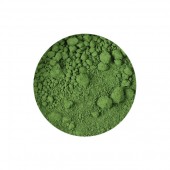
Chromium Oxide Pigment
Starting at: £4.50
Chromium Oxide is a synthetic mixed-metal oxide pigment. It is stable in all media and has an average drying speed in oil, forming a hard, fairly flexible paint film. It is opaque, with a low tinting strength. It has been widely available since the mid-nineteenth century, following its introduction in 1809.
Please note, unfortunately we are not able to send this product outside the UK.
Learn More -
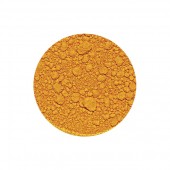
Cadmium Yellow Deep Pigment
Starting at: £7.40
Cadmium Yellow Deep Pigment (PY37). Synthetic Inorganic pigment. Opaque. Good tinting strength. Excellent Lightfastness. Low oil absorption with slow drying rate. Suitable for all media. Good acid and alkali resist. Exterior application not advised as discoloration occurs. Used since 19th Century. Toxicity B/C. Learn More -
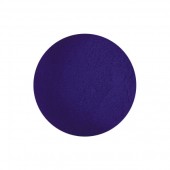
Prussian Blue Pigment
Starting at: £5.20
PB27
Prussian Blue is a synthetic organic pigment that was discovered by the paint maker Diesbach, apparently by accident, in Germany in the early eighteenth century. For many years, it was used not only as a colour in its own right, but also as a component of the original Hooker's Green. The other ingredient, gamboge, is highly fugitive, which is why many watercolours painted with Hooker's green have taken on a bluish tone with with age.
It is a very transparent and heavily staining colour. It dries quite quickly in oil, and can therefore wrinkly if applied too quickly. It is suitable for use in oils, watercolour, and egg tempera. However, it shouldn't be used in conjunction with alkali substances, such as Lead White or Calcium Carbonate as it can turn brown, so it isn't suitable for fresco. For the same reason, it isn't used with acrylic resin binders due to their alkaline nature, so most paint manufacturers will replace Prussian Blue with a mixture of Phthalo Blue and black in their acrylic ranges. It requires a wetting agent to fully disperse into a binder.
Toxicity: B
Learn More -
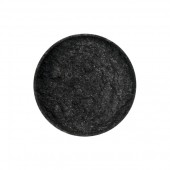
Carbon Black Pigment
Starting at: £10.80
PBk7
Carbon Black is an inorganic synthetic pigment, created by burning natural gases to form an almost pure carbon. It is semi-transparent, and in oil dries very slowly to a soft, brittle paint film. It requires a wetting agent, and can show in streaks, even when mixed with other colours.
Larger quantities are available by request.
Learn More -
-
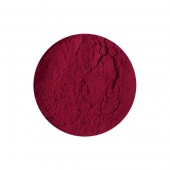
Quinacridone Magenta Pigment
Starting at: £5.50
Quinacridone Magenta Pigment (PR122). Organic pigment. Very transparent. High tinting strength. Excellent Lightfastness. High oil absorption with slow drying rate. Requires wetting agent. Suitable for all media. Developed in the 1950's. Toxicity A/B. Learn More -
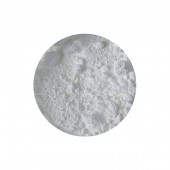
Zinc White Pigment
Starting at: £4.00
Zinc White, or Zinc Oxide, is an artificial mineral pigment that was first produced in France in the late 18th century. Its use in commercial watercolours as Chinese White pre-dates its inclusion in oil painting. It is a semi-opaque, lightfast pigment, which dries very slowly in oil. Of all white pigments, it produces the most brittle paint film, so is not recommended in large quantities for impasto techniques. However, it is a good addition to a palette which requires a less overwhelming white than Titanium White.
Toxicity: B
Learn More -
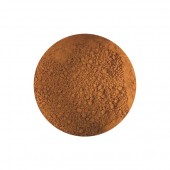
Burnt Sienna Pigment
Starting at: £4.00
PBr7
Burnt Sienna is a natural earth pigment that has been in use since antiquity. Our Burnt Sienna comes from Tuscany, and is produced by calcining Raw Sienna to temperatures of about 450 degrees Celsius. This process creates a rich warm colour and increases transparency. It also offers a good tinting strength, excellent lightfastness, and a fast to medium drying rate in oil. It is stable in all media but, like umber pigments, may be difficult to disperse in acrylic binders.
Toxicity B
Learn More -
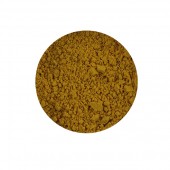
Stil de Grain
Starting at: £12.20
NY13:75640 Stil de Grain is a natural yellow pigment derived from unripe buckthorn berries, which were also once used to produce sap green pigment before the introduction of synthetic alternatives. Stil de Grain may also be known as brown lake, yellow lake, Persian lake, buckthorn lake, Dutch pink, yellow carmine and Italian pink. It has a weak tinting strength, and is very transparent, especially in oil. When mixed with oil, the pigment becomes saturated, darkening considerably in colour and drying very slowly, whereas in a water-based paint it is appears as a warm yellow. It is very fugitive to light, and compatible with all media, except lime. Larger quantities are available by request. Learn More -
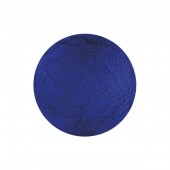
Blue Verditer Pigment
Starting at: £7.50
** While stocks last ** Blue Verditer, sometimes referred to as Bremen Blue, is a synthetic form of Azurite, or copper-calcium carbonate. It has a weak tinting strength and is sligtly transparent. It works best in water-based binders, as the acidity of linseed oil can cause discolouration.
Learn More
Larger sizes available on request -
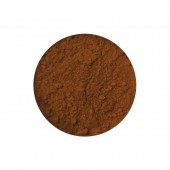
Translucent Yellow Oxide Pigment
Starting at: £7.00
Translucent Yellow Oxide (PY42). Artificial mineral pigment, hydrated ferric oxides. Transparent and very lightfast. Stable in all media, medium drying rate in oil. Toxicity B. Learn More -
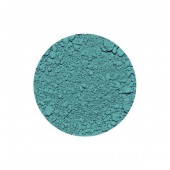
Cobalt Turquoise Pigment
Starting at: £15.00
Toxicity: B
Please note, unfortunately we are not able to send this product outside the UK. Learn More -
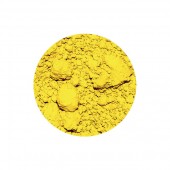
Cobalt Yellow Pigment
Starting at: £8.80
Cobalt Yellow Pigment, Aureolin (PY40). Synthetic Inorganic pigment (Potassium Cobaltinitrate). Transparent. Good tinting strength. Very good Lightfastness. Medium to high oil absorption. Suitable for all media except Lime-fresco. Used since mid 19th Century. Toxicity C.
Please note, unfortunately we are not able to send this product outside the UK.
Learn More -
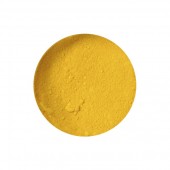
Cadmium Yellow Light Pigment
Starting at: £6.20
Cadmium Yellow Light Pigment (PY37). Synthetic Inorganic pigment. Opaque. Good tinting strength. Excellent Lightfastness. Low oil absorption with slow drying rate. Suitable for all media. Good acid and alkali resist. Exterior application not advised as discoloration occurs. Used since 19th Century. Toxicity B/C. Learn More -
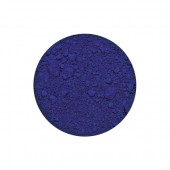
Oriental Blue Pigment
Starting at: £5.40
Oriental Blue Pigment (PB29). Inorganic pigment consisting kaolin, soda ash, sulfides and coal. Semi-transparent. High tinting strength. Excellent Lightfastness. Medium to slow drying rate. Suitable in all media except Lime-fresco. Used since early 19th Century. Toxicity B Learn More -
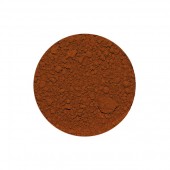
Pozzuoli Red Pigment
Starting at: £5.20
Pozzuoli Red is a natural earth pigment that was originally found in the volcanic areas in Pozzuoli, Italy. It was unique for its cement-like setting qualities due to naturally occurring silica. Modern Pozzuoli Red refers to the warm red colour rather than this physical characteristic.
Toxicity: B
Learn More -
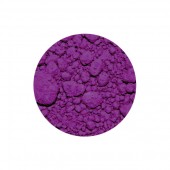
Manganese Violet Pigment
Starting at: £8.50
PV16
Manganese Violet is a synthetic organic pigment, discovered in Germany in 1868 and formed by combining manganese chloride, phosphoric acid and ammonium carbonate. It is very lightfast, but sensitive to alkalis and oils. It is semi-opaque and fast-drying, with a low tinting strength and low absorption of oil.
Toxicity: C
Learn More -
-
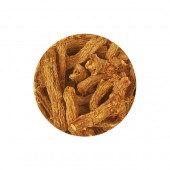
Madder Root Pieces
Starting at: £27.80
NR9
The madder plant was once widely cultivated for the red dye extracted from its roots. Its earliest known use is in ancient Egypt, and there is evidence of its widespread adoption in Europe from the medieval period. Madder Lake, the pigment that is derived from the root, has now largely been replaced by synthetic alizarin pigments, but it is still used as an ingredient in some commercial paints. It provides a very transparent pigment, with a weak tinting strength, which can be used in all lime-free media, although it is very slow-drying in oil. It is fugitive to sunlight, so paintings containing Madder should be stored appropriately, but it remains one of the most lightfast plant-based pigments.
Larger quantities are available by request.
Learn More -
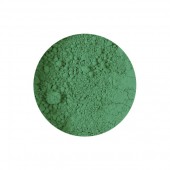
Viridian Green Pigment
Starting at: £6.50
Viridian Green is a synthetic inorganic pigment, similar in composition to Chromium Oxide. However, unlike Chromium Oxide, Viridian contains water molecules within its crystal structure, imparting a greater degree of transparency. Sometimes referred to as Verte Eméraude, Viridian was discovered in France in 1838, patented in 1859, and made available in the UK in 1862. It is stable in all media, and offers excellent lightfastness and good tinting strength. It requires a high oil content, and dries slowly to form a hard, fairly flexible paint film.
Toxicity B
Learn More
Shopping Options
- Category
-
- Pigments, Gums, Resins (189)
- Oils, Acrylics (45)
- Canvas, Supports (3)
- Watercolour, Gouache, Egg Tempera (33)
- Pastels (19)
- Drawing, Calligraphy (39)
- Gilding, Restoration (14)
- Printmaking (10)
- Studio, Books (29)
- Signwriting, Specialist Decorating (11)
- Gift Vouchers (1)
- Price
-
- £0.00 - £99.99 (316)
- £100.00 - £199.99 (4)
- £200.00 and above (2)
- Manufacturer
-
- Charbonnel (1)
- Cornelissen (171)
- Daler-Rowney (2)
- Daniel Smith (6)
- Faber-Castell (4)
- Gamblin (5)
- Golden (5)
- London Pigment (13)
- Maimeri (1)
- Michael Harding (7)
- Pentel (1)
- Renaissance Workshop Materials (5)
- Roberson (15)
- Rohrer and Klingner (13)
- Schmincke (39)
- Spectrum (1)
- Stabilo (3)
- Winsor&Newton (8)
- Sennelier (5)
You have no items in your shopping basket.

- Search Brands
-