

Search results for 'de 1 2'


-
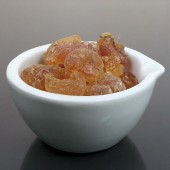
Gum Arabic
Starting at: £6.30
Gum Arabic is a resoluble binding agent, commonly used in the preparation of watercolours, but also useful as an adhesive, a size, and in the production of soft pastels. It is a natural product, harvested from the Acacia tree between October and May. The highest grade of Gum Arabic comes from the Kordofan region of Sudan. It is exceptionally pale and pure and therefore particularly suited to watercolour painting. Please see the Formulas & Recipes section on our homepage for a recipe to make your own watercolour paints using Gum Arabic (currently under construction). Learn More -
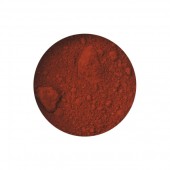
Translucent Orange Oxide Pigment
Starting at: £13.00
Translucent Orange Oxide (PR101). Artificial mineral pigment, hydrated ferric oxides. Transparent and very lightfast. Stable in all media, medium drying rate in oil. Toxicity B. Learn More -
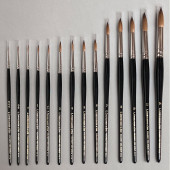
Cornelissen Series 80A Kolinsky Sable
Starting at: £5.90
High quality Kolinsky sable with good spring and pointing characteristics. Very useful for detailed work. Learn More -
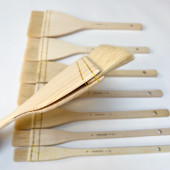
Japanese Hake Brushes
Starting at: £6.00
Made according to traditional Japanese methods. The excellent water-holding capacity of soft goat hair bristles combined with the absence of metal parts make Hake brushes ideal for applying glazes on ceramics and for creating broad washes in watercolour painting. Learn More -
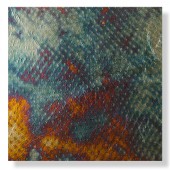
Cornelissen Variegated Metal Leaf 217
Starting at: £17.00
Cornelissen Variegated Metal Leaf 217 Learn More -
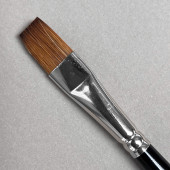
Cornelissen One Stroke Sable
Starting at: £8.75
Pure red sable brushes with a high colour holding capacity enabling free flow of colour. The fine edge of this brush provides defined clean cut lines. Learn More -
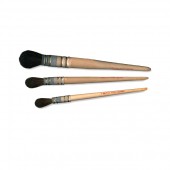
Cornelissen Squirrel Mop
Starting at: £23.10
Traditional high quality soft hair mops with considerable colour carrying capacity. Useful for laying down large washes. Also used by gilders for tamping down gold leaf and for dusting. Learn More -
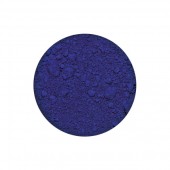
Oriental Blue Pigment
Starting at: £5.40
Oriental Blue Pigment (PB29). Inorganic pigment consisting kaolin, soda ash, sulfides and coal. Semi-transparent. High tinting strength. Excellent Lightfastness. Medium to slow drying rate. Suitable in all media except Lime-fresco. Used since early 19th Century. Toxicity B Learn More -
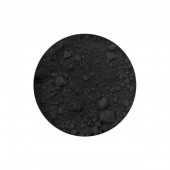
Mars Black Pigment
Starting at: £5.70
PBk11
Mars Black is an artificial mineral pigment composed of hydrated ferric oxides. Like other Mars colours, it provides a very opaque, permanent colour, which is stable in all media. It has an average drying time in oil, forming a hard, fairly flexible film, making it more suitable for impasto application than carbon-based black pigments, which tend to be brittle. It also wets more easily than other black pigments, and possesses a warm, brownish undertone.
Toxicity: B
Limeproof
Larger quantities are available by request.
Learn More -
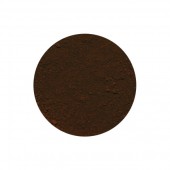
Indian Red Pigment
Starting at: £4.60
PR101
Indian Red was imported into the UK during the nineteenth century, its present-day equivalent is a synthetic iron oxide. Its pigment code, PR101, refers to a wide spectrum of synthetic iron oxide pigments including yellows, oranges, reds, violet-browns and green-browns; Indian Red is a slightly cool, bluish shade of red. It is semi-opaque, stable in all media, lightfast, and possesses a good tinting strength
Toxicity: B
Limeproof
Learn More -
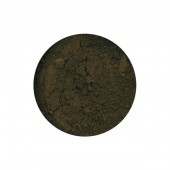
Raw Umber Greenish Pigment
Starting at: £4.80
PBr7
Raw Umber Greenish is a natural earth pigment composed of iron oxide, manganese, and aluminium silicate. It has its roots in the Umbria region of Italy, and was historically a popular colour for underpaintings, as it dries very quickly. It is semi-opaque, very lightfast, and stable in all media but may be difficult to disperse in acrylic. It requires a large amount of liquid when mixed with oil.
Toxicity: B
Learn More -
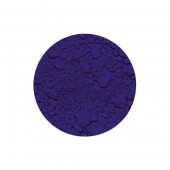
Ultramarine Blue Light Pigment
Starting at: £6.00
PB29
Ultramarine Blue Light is an artificial mineral pigment that is produced by heating clay, soda, sulphur and coal to high temperatures. Its name comes from outremer, or over-the-sea, as a reference to the highly-prized Lapis Lazuli pigment which had been imported into Europe from Afghanistan since the Middle Ages. First manufactured in France and Germany in 1828, synthetic Ultramarine provided a brilliant and affordable blue to artists, and it remains one of the most popular blues on artists' palettes today.
It is a transparent pigment, with a high tinting strength and excellent lightfastness. It reacts to alkali, therefore it is not suitable for use in lime-fresco; we do offer a Limeproof Ultramarine Blue for this purpose. It is stable in all other media, although it can be tricky to grind in oil. Instead of creating a thick, buttery paste, it can remain stringy and deteriorate when stored in a tube. To correct this, many commercial paint manufacturers include additives and waxes in their recipes; if you intend on grinding your own paint, you could try replacing 10-15% of your Linseed Oil with Poppy Oil to improve the consistency. Ultramine Blue provides a slow-drying, fairly hard paint film, which can tend towards brittleness.
Toxicity B
Learn More -
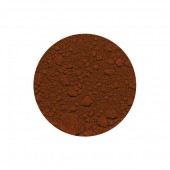
Red Ochre Pigment
Starting at: £4.00
PR101
Red Ochre is a synthetic iron oxide pigment which provides the same level of semi-opacity that is associated with natural ochres. It has a good tinting strength and is stable in all media, including lime mortar.
Toxicity B
Learn More -
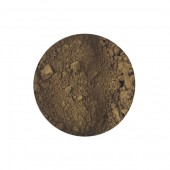
Burnt Umber Pigment
Starting at: £4.00
PBr7
Burnt Umber is a natural earth pigment from Italy, composed of iron oxide, manganese, and aluminium silicate. It is a form of Raw Umber that a has undergone a process of calcination, becoming warmer, more transparent and easier to disperse. It has a good tinting strength, and is very lightfast, quick-drying, and stable in all media. In oils it forms a hard, fairly flexible paint film, though it may be difficult to use in acrylic mediums.
Toxicity: B
Learn More -
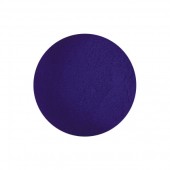
Prussian Blue Pigment
Starting at: £5.20
PB27
Prussian Blue is a synthetic organic pigment that was discovered by the paint maker Diesbach, apparently by accident, in Germany in the early eighteenth century. For many years, it was used not only as a colour in its own right, but also as a component of the original Hooker's Green. The other ingredient, gamboge, is highly fugitive, which is why many watercolours painted with Hooker's green have taken on a bluish tone with with age.
It is a very transparent and heavily staining colour. It dries quite quickly in oil, and can therefore wrinkly if applied too quickly. It is suitable for use in oils, watercolour, and egg tempera. However, it shouldn't be used in conjunction with alkali substances, such as Lead White or Calcium Carbonate as it can turn brown, so it isn't suitable for fresco. For the same reason, it isn't used with acrylic resin binders due to their alkaline nature, so most paint manufacturers will replace Prussian Blue with a mixture of Phthalo Blue and black in their acrylic ranges. It requires a wetting agent to fully disperse into a binder.
Toxicity: B
Learn More -
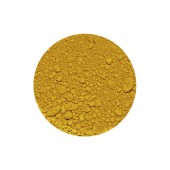
Mars Yellow Pigment
Starting at: £4.50
PY42
Mars Yellow is an artificial mineral pigment, a synthetic iron oxide. Mars colours in general replace many natural earth colours to provide pigments without impurities and with great opacity. It has a good tinting strength, is lightfast and stable in all media, and has a medium drying time in oil, creating a strong, flexible paint film.
Toxicity: B
Limeproof
Learn More -
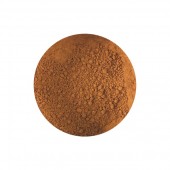
Burnt Sienna Pigment
Starting at: £4.00
PBr7
Burnt Sienna is a natural earth pigment that has been in use since antiquity. Our Burnt Sienna comes from Tuscany, and is produced by calcining Raw Sienna to temperatures of about 450 degrees Celsius. This process creates a rich warm colour and increases transparency. It also offers a good tinting strength, excellent lightfastness, and a fast to medium drying rate in oil. It is stable in all media but, like umber pigments, may be difficult to disperse in acrylic binders.
Toxicity B
Learn More -
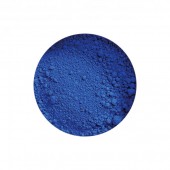
Azure Blue Pigment
Starting at: £12.00
Azure Blue Pigment (PB28). Inorganic pigment made from various aluminium, zinc and cobalt compounds. Semi-opaque. Weak tinting strength. Excellent Lightfastness.
Toxicity: C
Limeproof
Learn More -
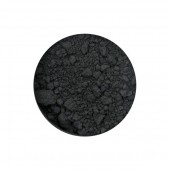
Lamp Black Pigment
Starting at: £6.70
PBk 6
Lamp Black is an inorganic, synthetic, pure carbon pigment. Originally made from soot collected from oil lamps and fireplaces, its modern equivalent is derived from partly combusted mineral and vegetable oil. It is a cool, transparent, bluish black, with a good tinting strength, and stable in all media. It requires a wetting agent, and in oil it has a very high absorption drying very slowly.
Larger quantities are available by request.
Learn More -
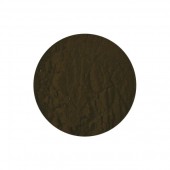
Van Dyke Brown Pigment
Starting at: £4.50
Van Dyke Brown pigment is know for its poor lightfastness and instability in all mediums. Our Van Dyke Brown, also known as Cassel Earth, offers the same dark brown colour and transparency as the traditional pigment, but without the drawbacks usually associated with its longevity and use. It is made from lignite, or brown coal, from the Alsace region in France.
Toxicity: B
Learn More -
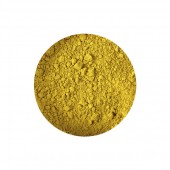
Yellow Ochre Pigment
Starting at: £4.00
PY43
Yellow Ochre is a natural earth pigment that has been in use since prehistoric times. It is derived from iron-rich clay deposits that are present all over the world; our Yellow Ochre comes from the hilly regions around Verona, Italy. As a pigment, it is semi-opaque, extremely lightfast, and stable in all media. It has a medium to slow drying rate in oil, creating a tough, flexible paint film. Yellow Ochre is similar in composition to Raw Sienna, but whereas Yellow Ochre contains a higher proportion of clay, Raw Sienna contains a higher proportion of silica. As a natural material, the exact colour and qualities of the resultant pigments can vary, but generally this compositional difference creates a paler, more opaque Yellow Ochre, and a darker, more transparent Raw Sienna.
Toxicity B
Learn More -
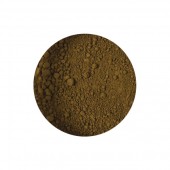
Raw Umber Pigment
Starting at: £4.00
PBr7
Raw Umber is a natural earth pigment composed of iron oxide, manganese, and aluminium silicate. It has its roots in the Umbria region of Italy, and was historically a popular colour for underpaintings, as it dries very quickly. It is semi-opaque, very lightfast, and stable in all media but may be difficult to disperse in acrylic. It requires a large amount of liquid when mixed with oil.
Toxicity: B
Learn More -
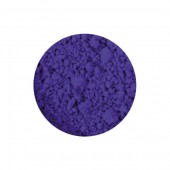
Ultramarine Blue Dark Pigment
Starting at: £4.00
PB29
Ultramarine Blue Dark is an artificial mineral pigment that is produced by heating clay, soda, sulphur and coal to high temperatures. Its name comes from outremer, or over-the-sea, as a reference to the highly-prized Lapis Lazuli pigment which had been imported into Europe from Afghanistan since the Middle Ages. First manufactured in France and Germany in 1828, synthetic Ultramarine provided a brilliant and affordable blue to artists, and it remains one of the most popular blues on artists' palettes today.
It is a transparent pigment, with a high tinting strength and excellent lightfastness. It reacts to alkali, therefore it is not suitable for use in lime-fresco; we do offer a Limeproof Ultramarine Blue for this purpose. It is stable in all other media, although it can be tricky to grind in oil. Instead of creating a thick, buttery paste, it can remain stringy and deteriorate when stored in a tube. To correct this, many commercial paint manufacturers include additives and waxes in their recipes; if you intend on grinding your own paint, you could try replacing 10-15% of your Linseed Oil with Poppy Oil to improve the consistency. Ultramine Blue provides a slow-drying, fairly hard paint film, which can tend towards brittleness.
Toxicity: B
Learn More -
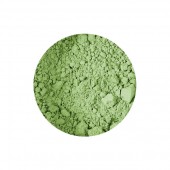
Terre Verte Pigment
Starting at: £4.00
Terre Verte, sometimes known as Green Earth, is a natural earth pigment derived from clay coloured by iron silicate. As with other natural pigments, impurities can prevent it from fully dispersing in an acrylic binder, although it is a popular pigment in all other mediums. It has been in use since antiquity, providing excellent lightfastness and great transparency, with a low tinting strength. It requires a high volume of oil, and dries slowly to create a soft, flexible paint film. When calcined, Terre Verte becomes Burnt Green Earth.
Toxicity B Learn More -
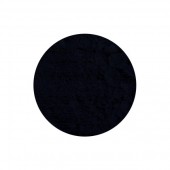
Vine Black Pigment
Starting at: £4.70
PBk8
Vine Black is derived from charred vines, forming an organic pigment of pure carbon. It has been in use since antiquity, providing a cold black with bluish undertones, which creates a blue-grey when mixed with white. It is a very lightfast, slow-drying colour with a medium tinting strength. It requires a wetting agent to disperse properly, and is not suitable for use in fresco, mortar or cement, as the water-soluble impurities within the pigment can create efflorescence.
Toxicity: A
Learn More -
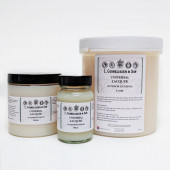
Cornelissen Universal Lacquer
Starting at: £14.40
Use to protect metal & silver leaf, white gold, Ormoline paint & Robersons Liquid Metal range. Provides extra protection on exterior projects & high-wear areas. It dries crystal clear with a satin finish, and is non-yellowing. Learn More
-
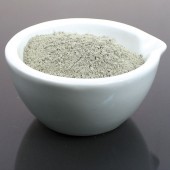
Fullers Earth
Starting at: £6.30
Fullers Earth is used to remove plant debris and other impurities from cold-pressed linseed oil, as its large particle size and unusual shape attracts unwanted matter and pulls it down, away from the surface of the oil. Our Fullers earth consist sly of Bentonite.
Learn More -
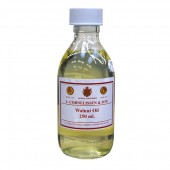
Cornelissen Walnut Oil
Starting at: £8.20
The introduction of Walnut Oil as a pigment binder is contemporaneous with the emergence of Linseed Oil. Their drying properties have been appreciated since the Middle Ages, and throughout history there is evidence of both oils being used alongside each other within the same painting. In fact, until the sixteenth century, it is believed that Walnut Oil was the preferred binding medium among Italian artists. It is made from mature walnut kernals, offering a pale colour and brilliant gloss. For this reason, it is sometimes chosen as a binder for light colours, as it provides a stronger paint film than Poppy Oil, and faster drying times. However, a paint film made from Walnut Oil will tend to be brittle, so it is more suited to a rigid support rather than canvas.
Learn More -
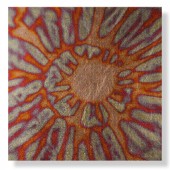
Cornelissen Variegated Metal Leaf 236
Starting at: £17.00
Cornelissen Variegated Metal Leaf 236 Learn More -
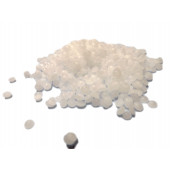
Microcrystalline Wax
Starting at: £8.50
Microcrystalline Wax is related to paraffin wax, and is used as a plasticiser in some recipes. It is characterised by the fineness of its crystals in contrast to the larger crystal of paraffin wax. It is generally more viscous, denser, tackier and more elastic than paraffin waxes, and has a higher melting point. Learn More
Currently Shopping by:
- Manufacturer: Cornelissen Remove This Item
Shopping Options
- Category
-
- Pigments, Gums, Resins (127)
- Oils, Acrylics (5)
- Canvas, Supports (10)
- Watercolour, Gouache, Egg Tempera (6)
- Drawing, Calligraphy (13)
- Gilding, Restoration (63)
- Printmaking (25)
- Brushes (13)
- Paper (5)
- Studio, Books (14)
- Signwriting, Specialist Decorating (8)
- Price
-
- £0.00 - £999.99 (266)
- £1,000.00 - £1,999.99 (1)
- £2,000.00 - £2,999.99 (1)
- £3,000.00 and above (2)
You have no items in your shopping basket.

- Search Brands
-